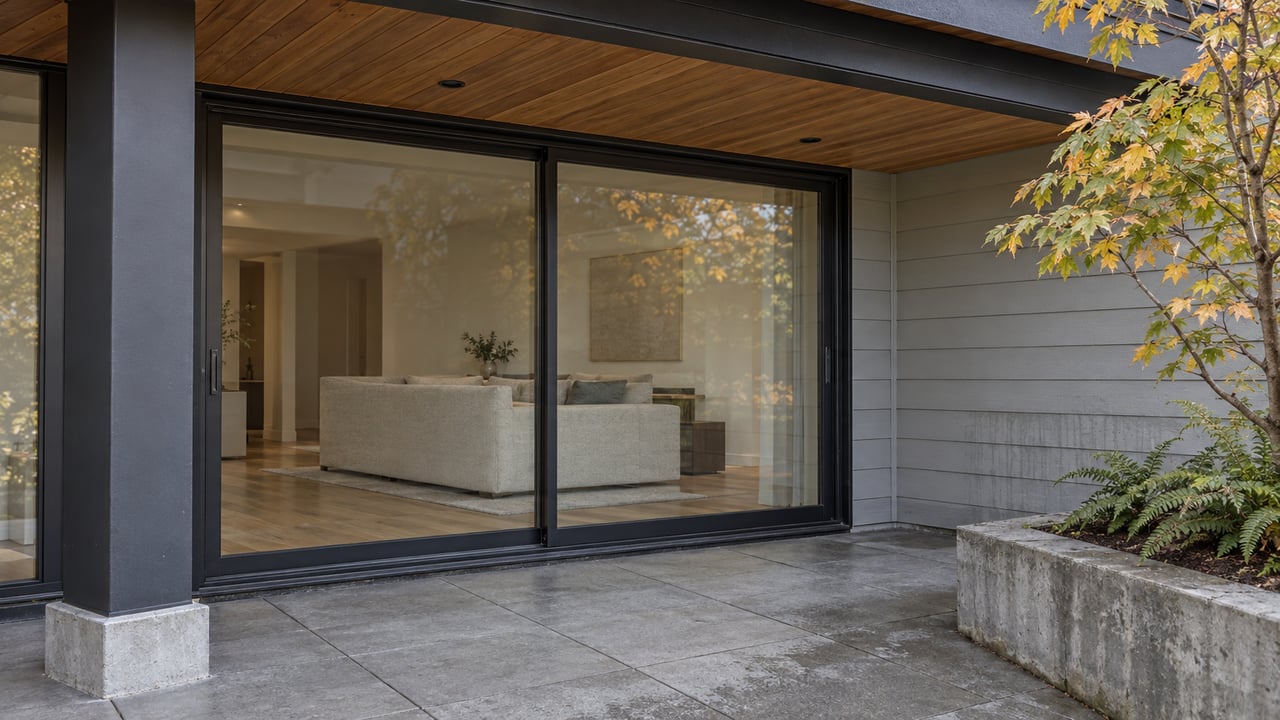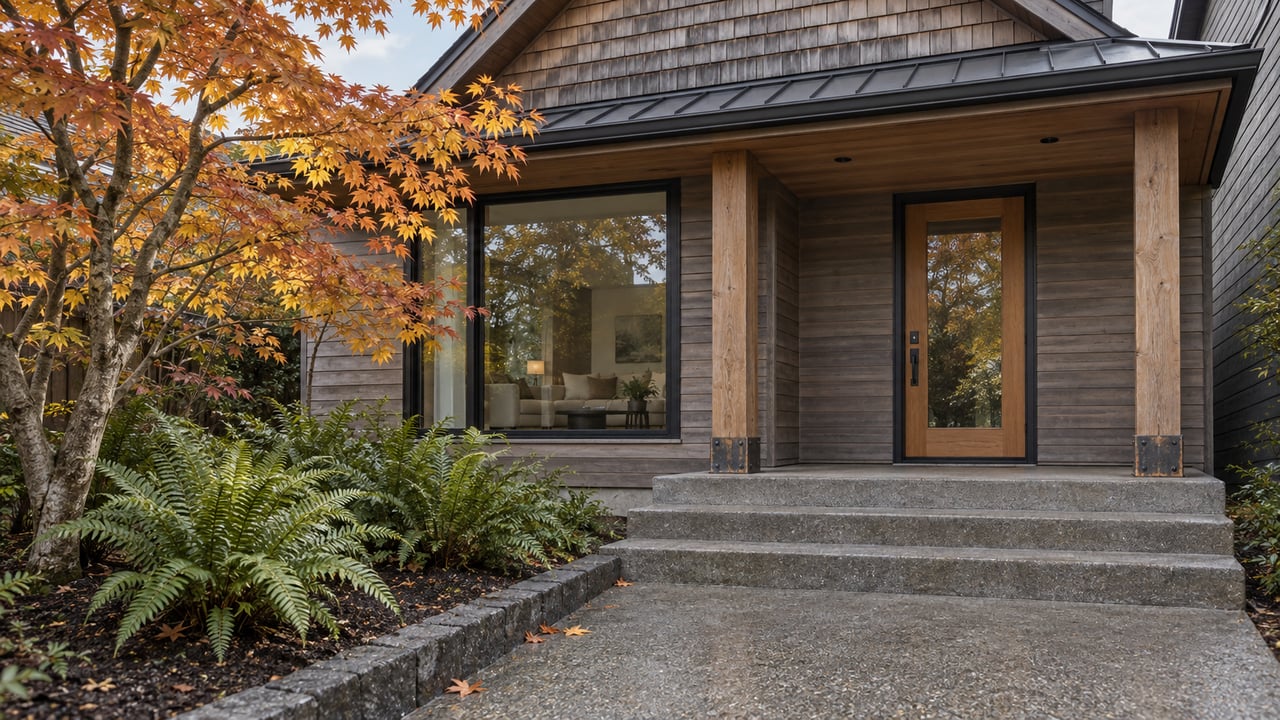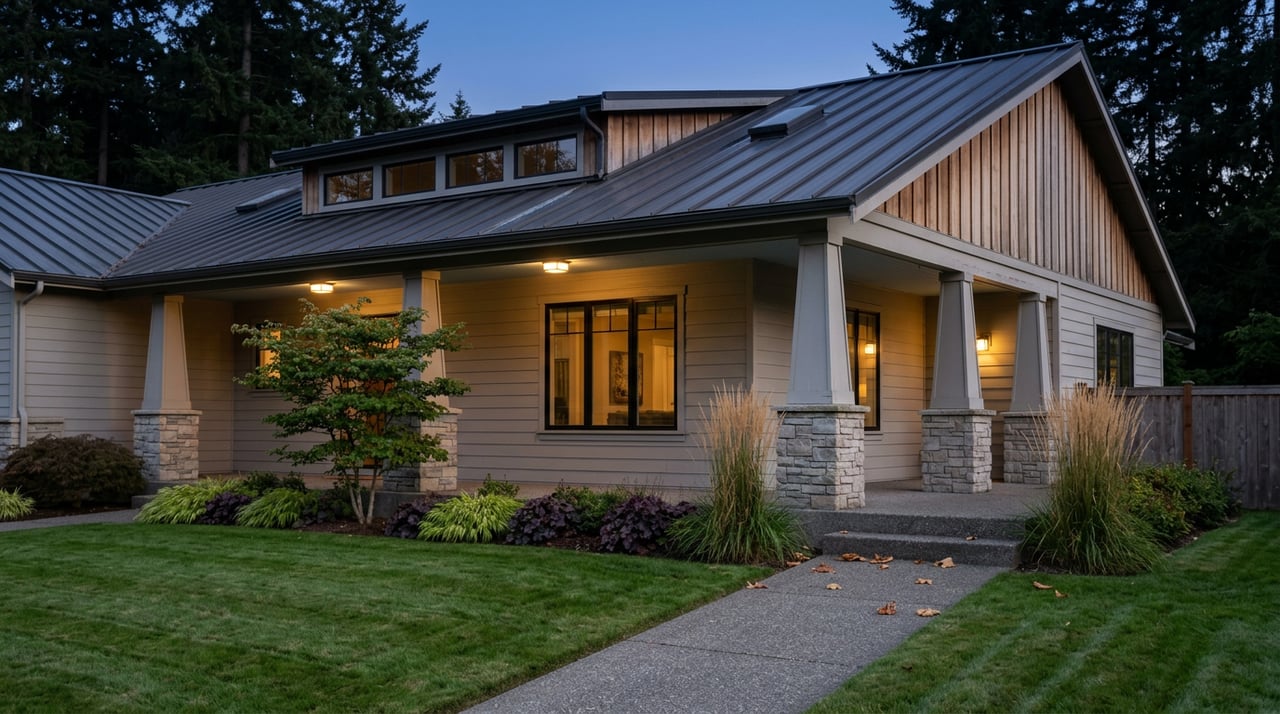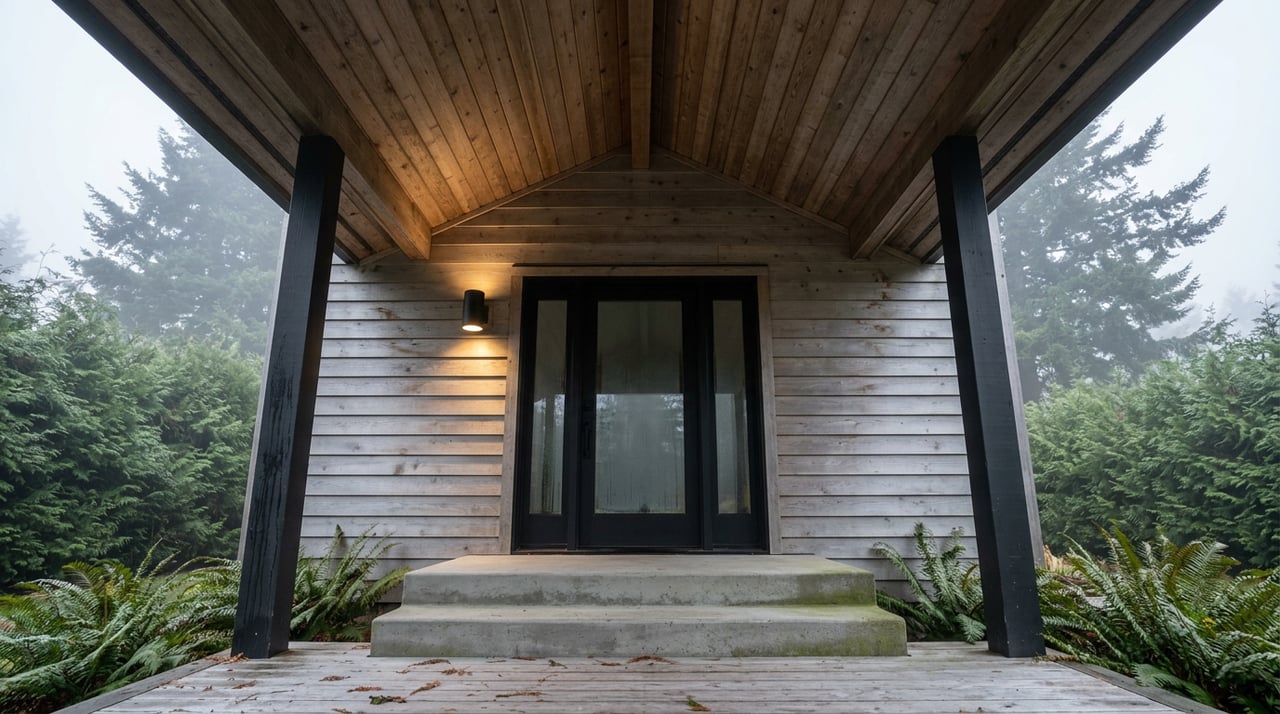
What to say at an open house, what to keep to yourself, and why a friendly conversation shouldn’t cost you negotiating power.
Open houses are supposed to be casual.
You walk through the front door, admire the kitchen, mentally rearrange the furniture, and maybe help yourself to a cookie if someone’s feeling generous.
Along the way, you chat with the agent hosting the open house.
You’re in good company. In NAR’s 2025 Profile of Home Buyers and Sellers, 48% of buyers said they used open houses during their home search.
Seems harmless enough, right?
Usually, it is.
But some of the most revealing conversations in real estate happen long before anyone sits down to negotiate.
And sometimes, the information being shared isn’t about the house at all.
It’s about you.
Small Talk Has a Way of Telling a Bigger Story
Imagine walking into an open house and having a perfectly pleasant conversation with the agent.
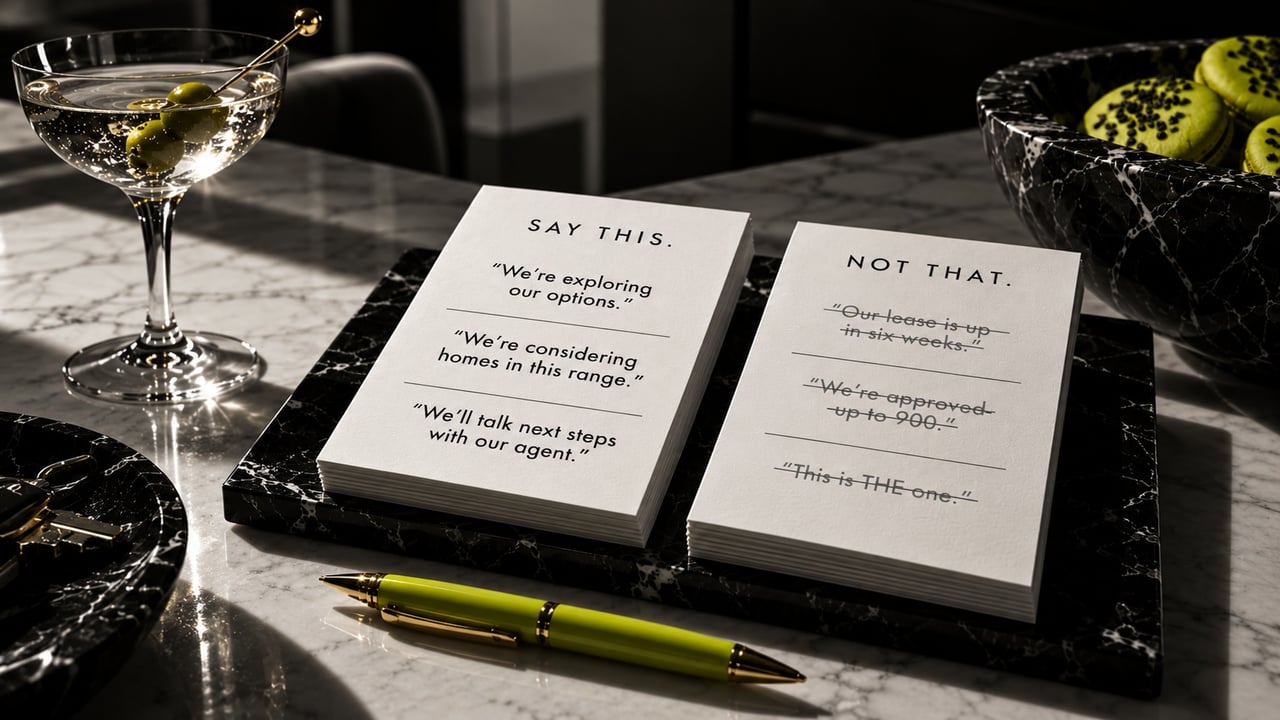
You mention that your lease is up in six weeks, you’ve already lost out on three houses, and you’re getting frustrated. You might even casually mention that this home is below your maximum budget.
You weren’t discussing an offer or negotiating a price. You were just making conversation.
But you’ve revealed quite a bit.
You have a deadline, you’re feeling pressure to find something, and you may have more financial flexibility than the asking price suggests.
Now consider where that information might go.
The agent hosting the open house may not be the listing agent. They could be part of a team, another agent from the brokerage, or someone helping a colleague. But open house feedback often makes its way back to the listing agent and potentially the seller.
I host open houses around Gig Harbor most weekends. When it’s my listing, I’m there for my seller, and passing along what I learn is part of that job.
That isn’t a scandal. It’s the system working as designed. When a broker represents the seller, Washington law spells out a duty of loyalty: “taking no action that is adverse or detrimental to the seller’s interest.”
And if you’ve introduced yourself or signed in, those comments could be connected to your name.

Who manages the sign-in database? Who has access to it? Is the information stored in a CRM or shared among team members?
You probably don’t know.
Here’s the other piece. Washington’s confidentiality protections cover information from a broker’s own client. If you aren’t that broker’s client, the details you mention by the kitchen island don’t come with the same protection.
Not every conversation gets reported, and not every detail matters. But if the seller learns you’re facing a deadline, have room in your budget, or have fallen in love with the house, that information could influence how they approach negotiations.
The issue isn’t that you were friendly. It’s that you may have shared information that gives someone else insight into your negotiating position before you’ve even decided to make an offer.
The Questions That Sound Harmless
Some of the most ordinary open house questions can lead to surprisingly revealing answers.
“Are you working with an agent?”
A perfectly reasonable question. The hosting agent may simply want to know how best to communicate with you.
“How soon are you looking to move?”
Also reasonable. But there’s a difference between saying you’re hoping to move in the next few months and explaining that your current living situation has become unbearable and you need to be out immediately.
“What’s your price range?”
A common question, particularly when an agent is trying to understand what types of properties might interest you.
But your maximum purchasing power and what you’re willing to pay for a particular home are two different things.
“What do you think of the house?”
This is where people tend to get comfortable.
Suddenly, they’re sharing how perfect the home would be for their family, how much better it is than everything else they’ve seen, and how they can’t imagine finding another one like it.
There’s nothing wrong with loving a house.
Just remember that enthusiasm and negotiating strategy don’t always need to arrive together.
You Can Be Friendly Without Giving Away the Farm
Here’s the good news.
You don’t have to become mysterious, evasive, or downright unpleasant to protect your interests.
You can smile. You can ask questions. You can compliment the home. You can have a genuinely enjoyable conversation.
You can also choose how much personal information you share.
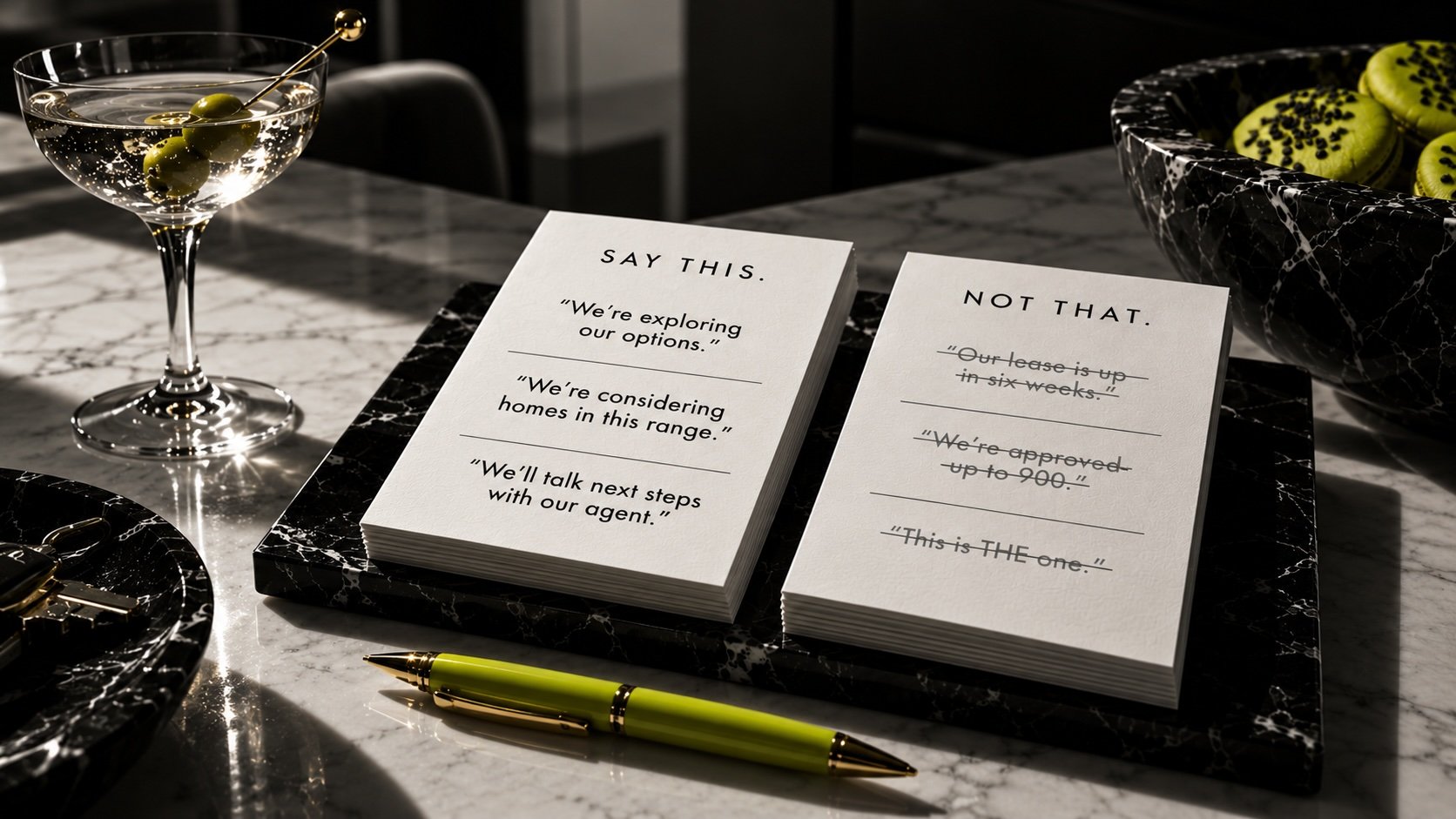
If someone asks about your timeline, you might simply say:
“We’re exploring our options and looking for the right fit.”
If someone asks about your budget:
“We’re considering homes in this price range.”
If someone asks whether you’re interested in making an offer:
“We’re still evaluating the property and will discuss next steps with our agent.”
You’re not being dishonest.
You’re not refusing to engage.
You’re simply keeping the conversation focused on the property rather than volunteering details about your circumstances, financial limits, or negotiating position.
Friendly doesn’t have to mean fully transparent.
And privacy doesn’t have to mean being rude.
Sellers Can Overshare, Too
Buyers aren’t the only ones who need to be mindful of casual conversations.
Sellers can unintentionally reveal information that affects how buyers view a property or approach negotiations.
Maybe a seller happens to be home during a showing and mentions that they’ve already purchased another house.
Or that they’re relocating for work next month.
Or that they’re exhausted from keeping the home ready for showings and just want the process to be over.
Those are understandable feelings.
Selling a home can be stressful, emotional, and disruptive.
But when personal circumstances become part of a buyer’s understanding of the transaction, they can influence how that buyer evaluates the seller’s flexibility.
Here’s the twist. Your own listing agent is required by Washington law to keep your confidential information confidential. That protection only covers what you haven’t already told the other side yourself.
This doesn’t mean sellers should hide material facts about a property or avoid required disclosures. Those obligations still matter.
It simply means there’s a difference between providing information someone needs to make an informed decision and volunteering personal details that may weaken your negotiating position.
That’s one reason having a clear communication plan with your agent matters.
Let Your Agent Handle the Strategy
One of the benefits of having your own real estate representation is that you don’t have to figure out every conversation on the fly.
Your agent can help you decide what information is useful to share, what questions are worth asking, and when certain details might strengthen or weaken your position.
Because sometimes sharing information is strategic.
A flexible closing date might make your offer more appealing.
A strong preapproval can demonstrate that you’re a serious buyer.
The ability to accommodate a seller’s preferred timeline could give you an advantage over another offer.
The goal isn’t to keep everything secret.
The goal is to share information intentionally, when it serves a purpose.
That’s a very different approach from revealing your entire situation during a five-minute conversation next to the kitchen island.
H2: Enjoy the Open House. Just Remember Why You’re There.
An open house should be an opportunity to explore a property, ask questions, and get a feel for whether a home might be right for you.
It doesn’t need to feel like a high-stakes interrogation.
And you certainly don’t need to treat every friendly agent as an adversary.
But it’s worth remembering that real estate conversations don’t happen in a vacuum.
The things we casually share can shape how others understand our needs, motivations, and flexibility.
And you may not know who will eventually hear those details.
Sometimes that information is helpful.
Sometimes it’s irrelevant.
And sometimes it becomes more important later, when an offer is on the table and the conversation turns to price, terms, and timing.
So go ahead.
Admire the kitchen.
Ask about the roof.
Find out how old the furnace is.
Enjoy the cookie.
Just remember:
You can be warm, friendly, and completely genuine without negotiating against yourself before the negotiation even begins.
And if you’re unsure what to share, that’s a great conversation to have with your own agent before you walk through the door.
Frequently asked questions
What should you say at an open house?
Be friendly, ask about the property, and keep your personal details general. Lines like “we’re exploring our options” or “we’re considering homes in this price range” keep the conversation on the house instead of on your deadline, your budget ceiling, or how much you love the kitchen.
What should you not tell an open house agent?
Your maximum budget, your move-out deadline, how many houses you’ve lost, and how attached you already are. None of that is a secret worth hiding forever. It is information worth sharing on purpose, with your own agent, when it helps your offer.
Is the open house agent the listing agent?
Not always. The host could be the listing agent, a colleague from the same brokerage, or someone covering for another agent. If you want to know, ask who they represent. A broker who represents the seller owes the seller loyalty under Washington law.
Is what I tell an open house agent confidential?
Not in the way a client’s information is. In Washington, a broker’s confidentiality duty covers information from their own client. If you aren’t that broker’s client, assume what you say can make its way back to the listing agent and the seller.
Should I sign in at an open house?
Signing in is common, and it is how the host follows up with you. Just assume your name may be connected to what you say while you are there, and keep your budget and timing to yourself.
Can sellers overshare too?
Yes. A seller who tells a buyer they have already bought another house, or need to move next month, has handed over leverage. A listing agent has to keep a seller’s confidential information confidential, but that protection does not cover what the seller has already said to the buyer directly.
Have an open house on your list? Let's talk before you go. Book a no-obligation consultation and we'll go over what to share, what to keep to yourself, and what to ask while you're there.
Book your no-obligation consultation
Sources
National Association of Realtors, 2025 Profile of Home Buyers and Sellers (information sources used in home search, Exhibit 3-2), Rhode Island Association of Realtors copy: https://www.rirealtors.org/clientuploads/documents/NAR/Homebuyers_and_sellers_trend_2025.pdf RCW 18.86.010, Definitions (confidential information, principal): https://app.leg.wa.gov/rcw/default.aspx?cite=18.86.010 RCW 18.86.040, Seller's agent duties (loyalty, confidential information): https://app.leg.wa.gov/rcw/default.aspx?cite=18.86.040
Survey figures are individual association research and are attributed by name. Statutory language is quoted or paraphrased from the Revised Code of Washington.
Catt Johnson is a licensed real estate broker with Neighborhood Experts Real Estate, License #25004641. This post is for general information and is not legal advice.