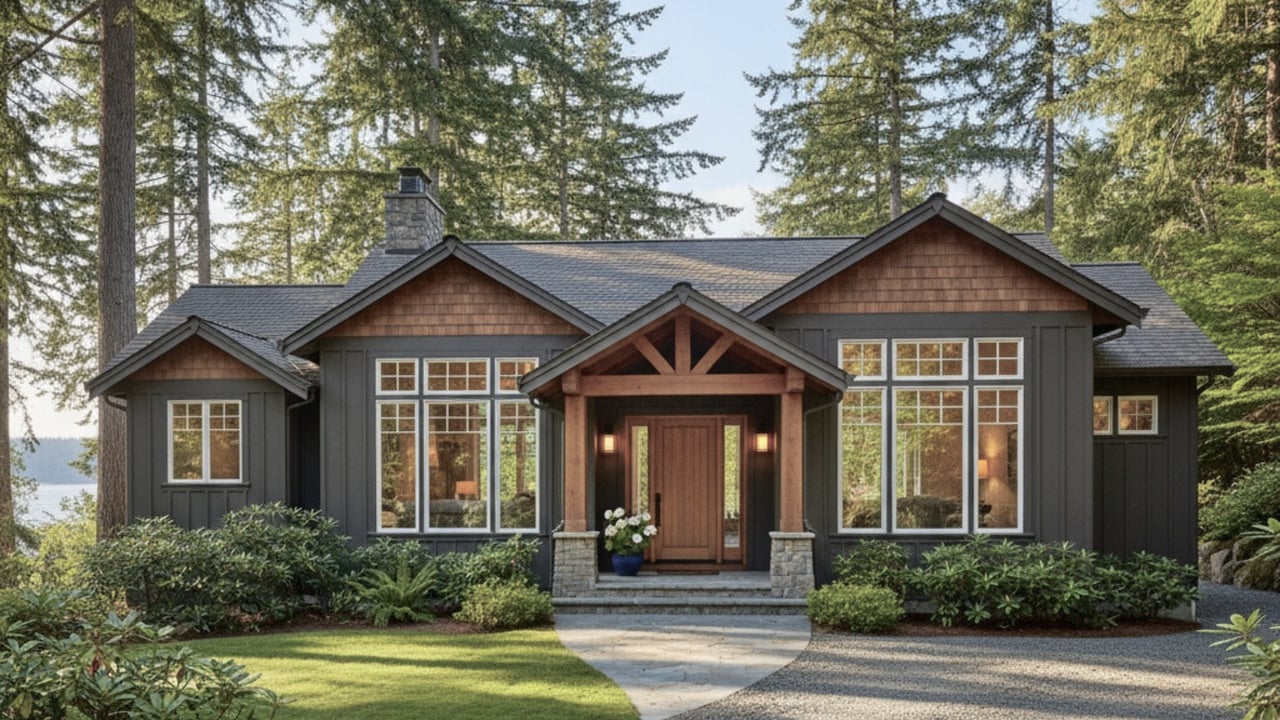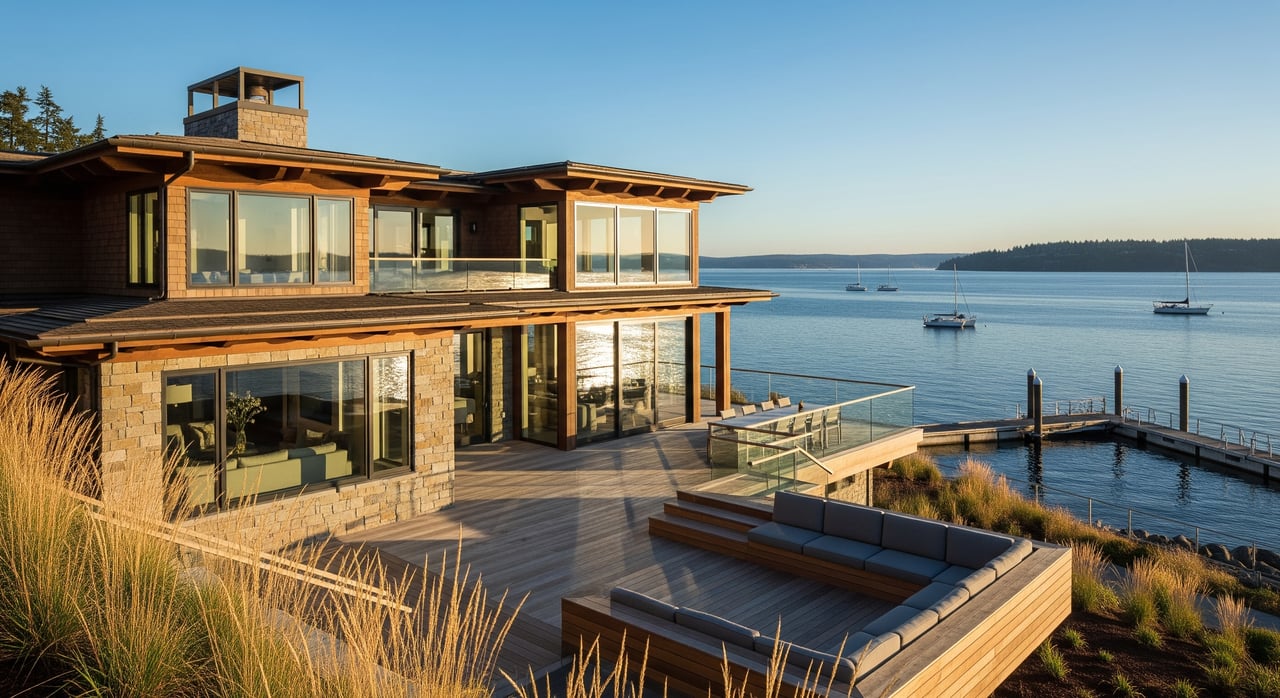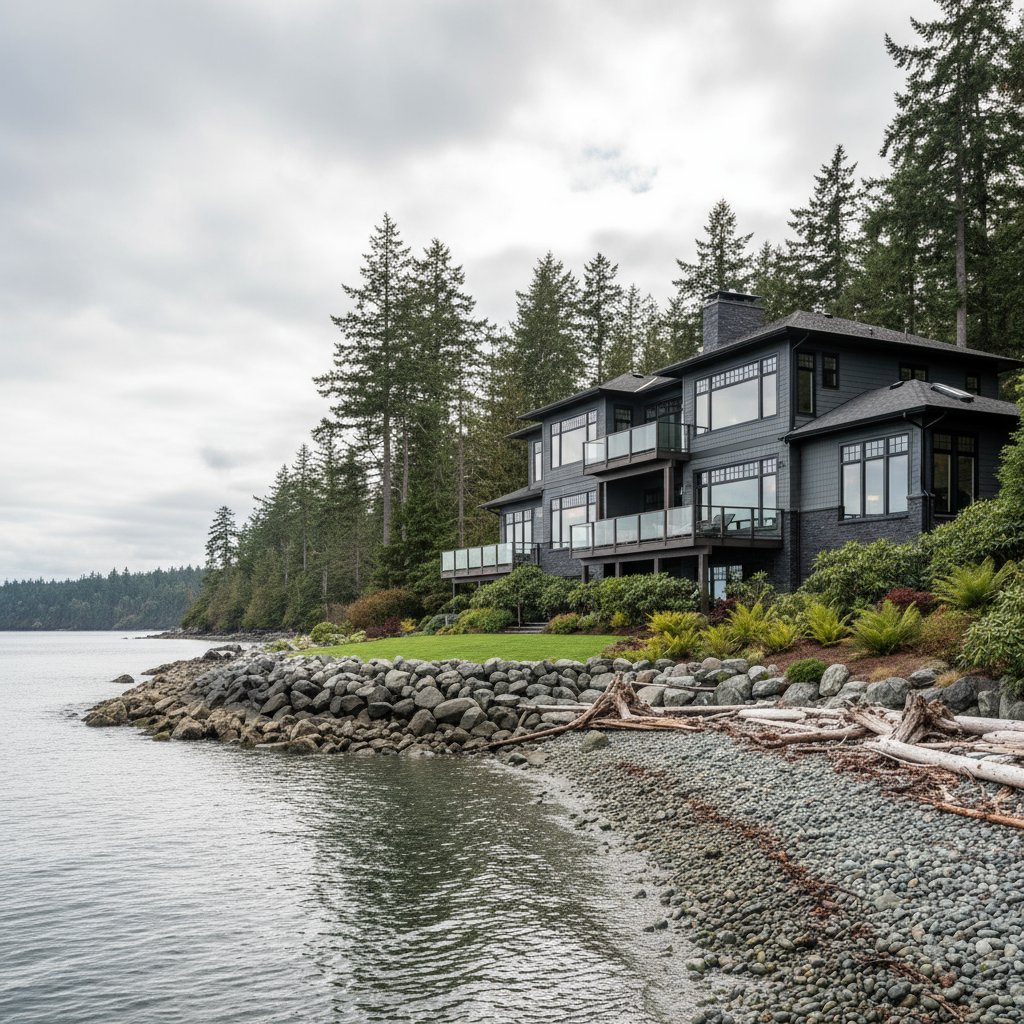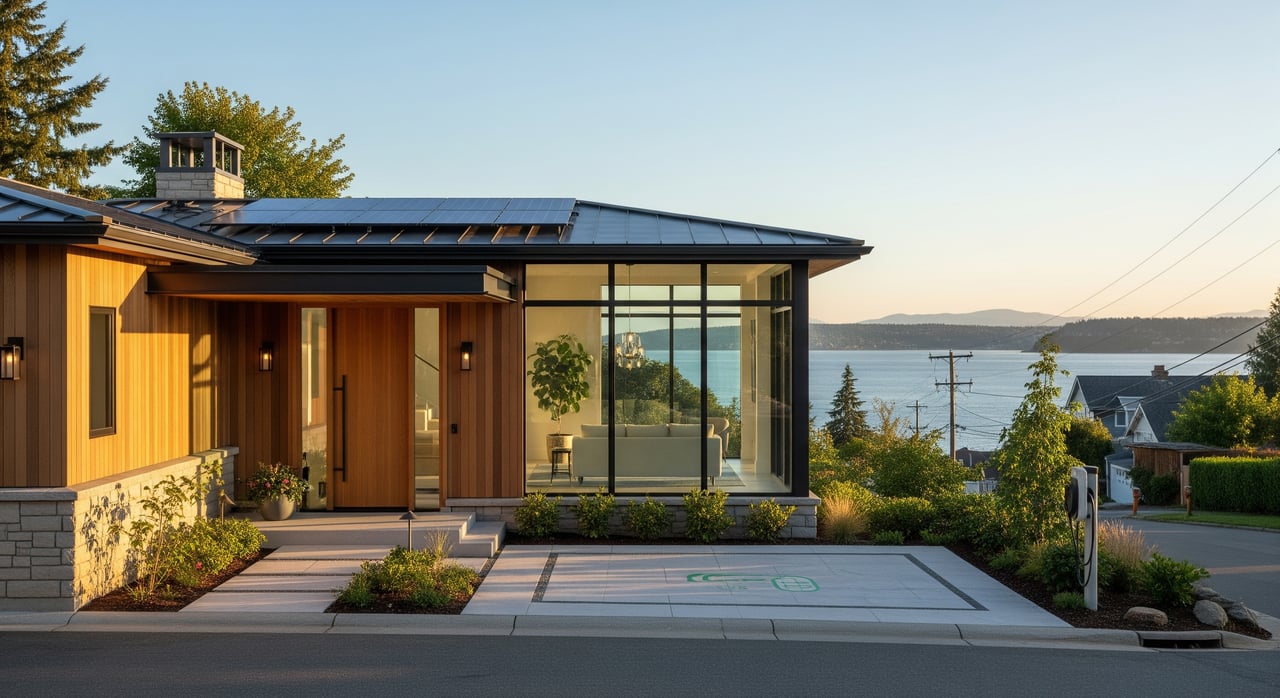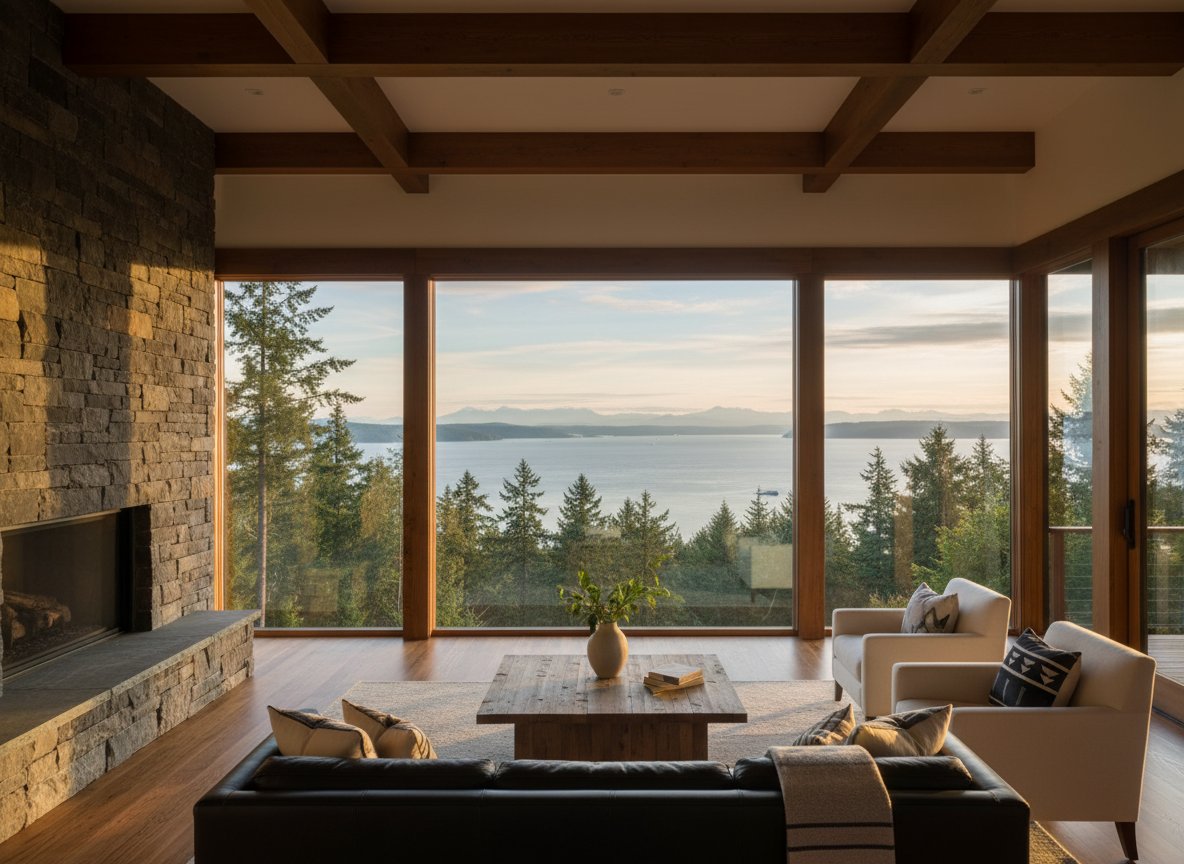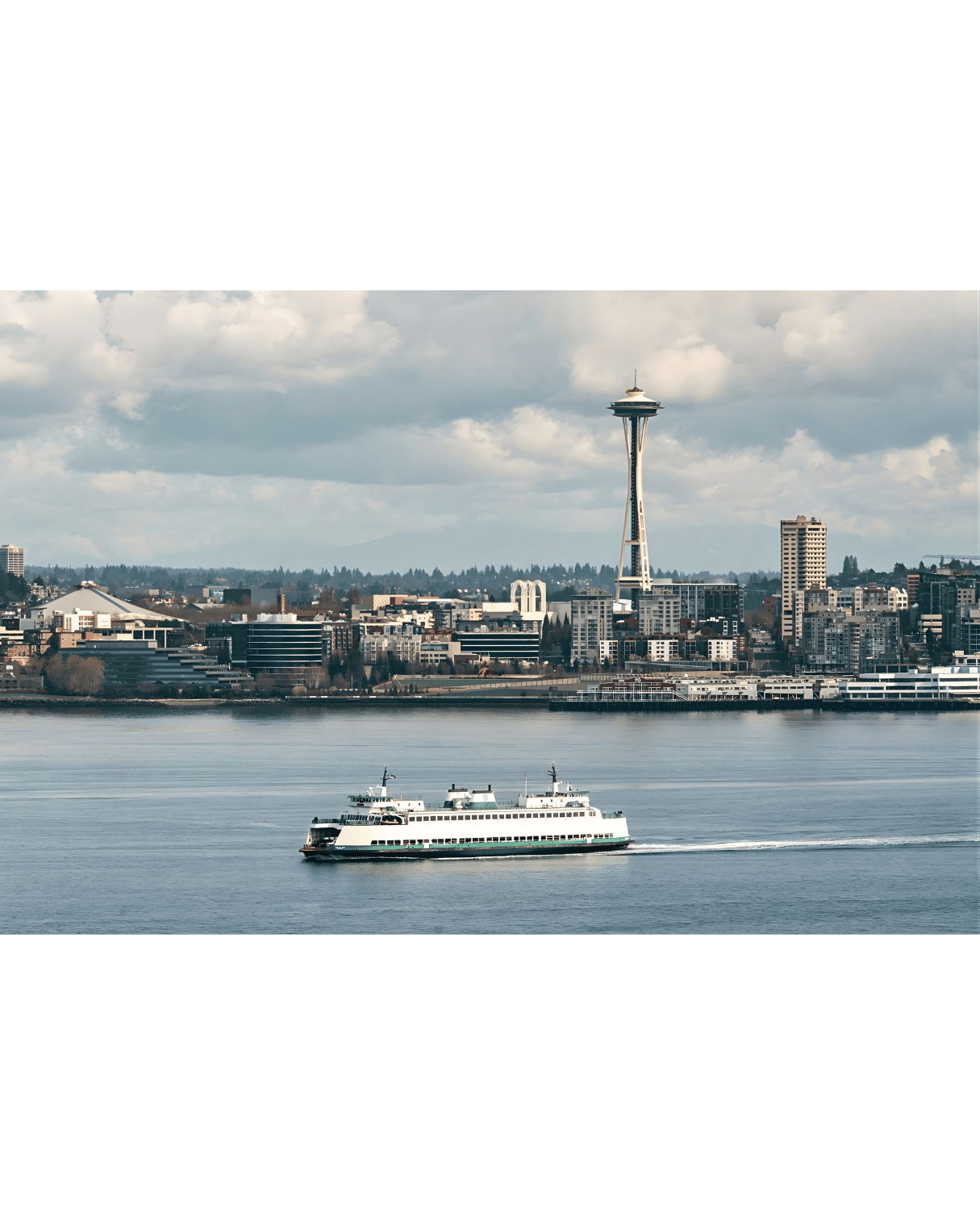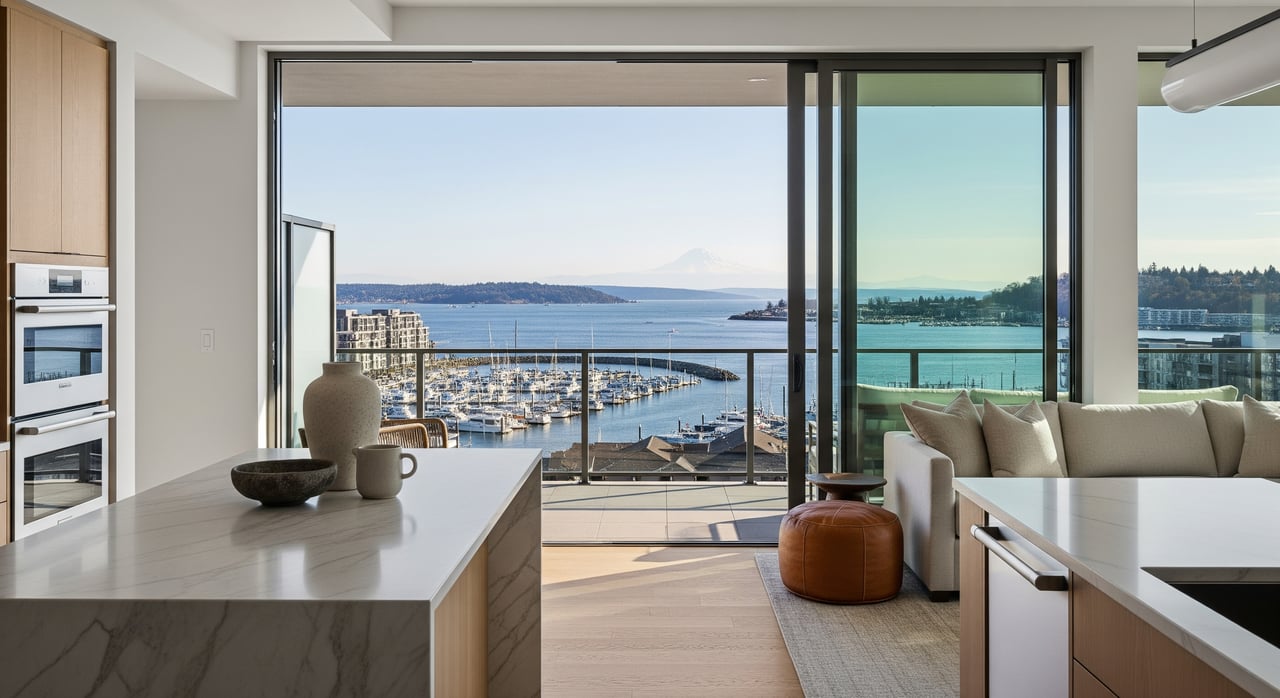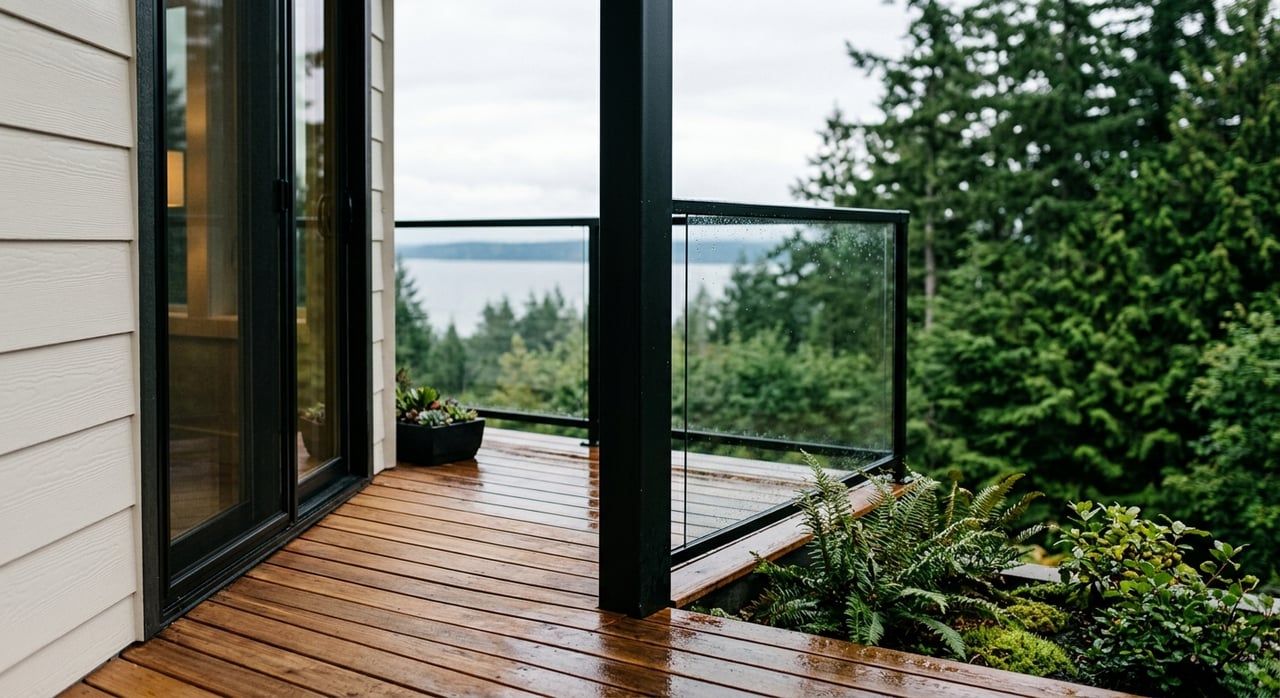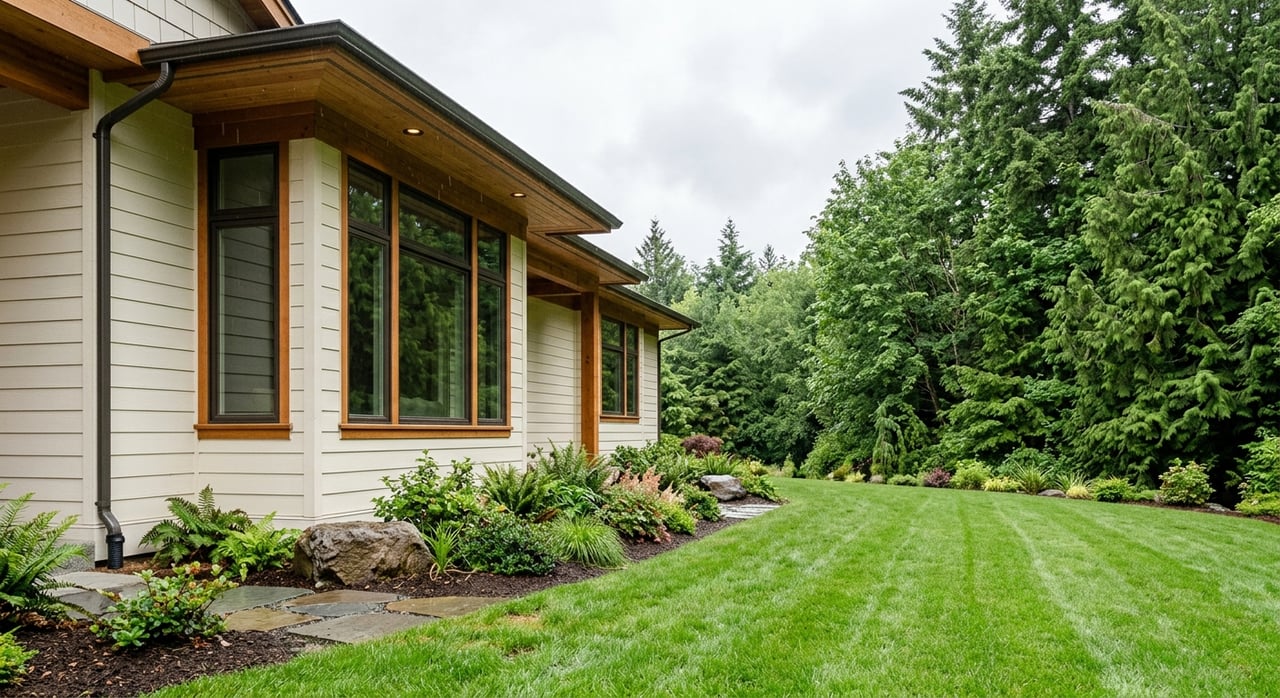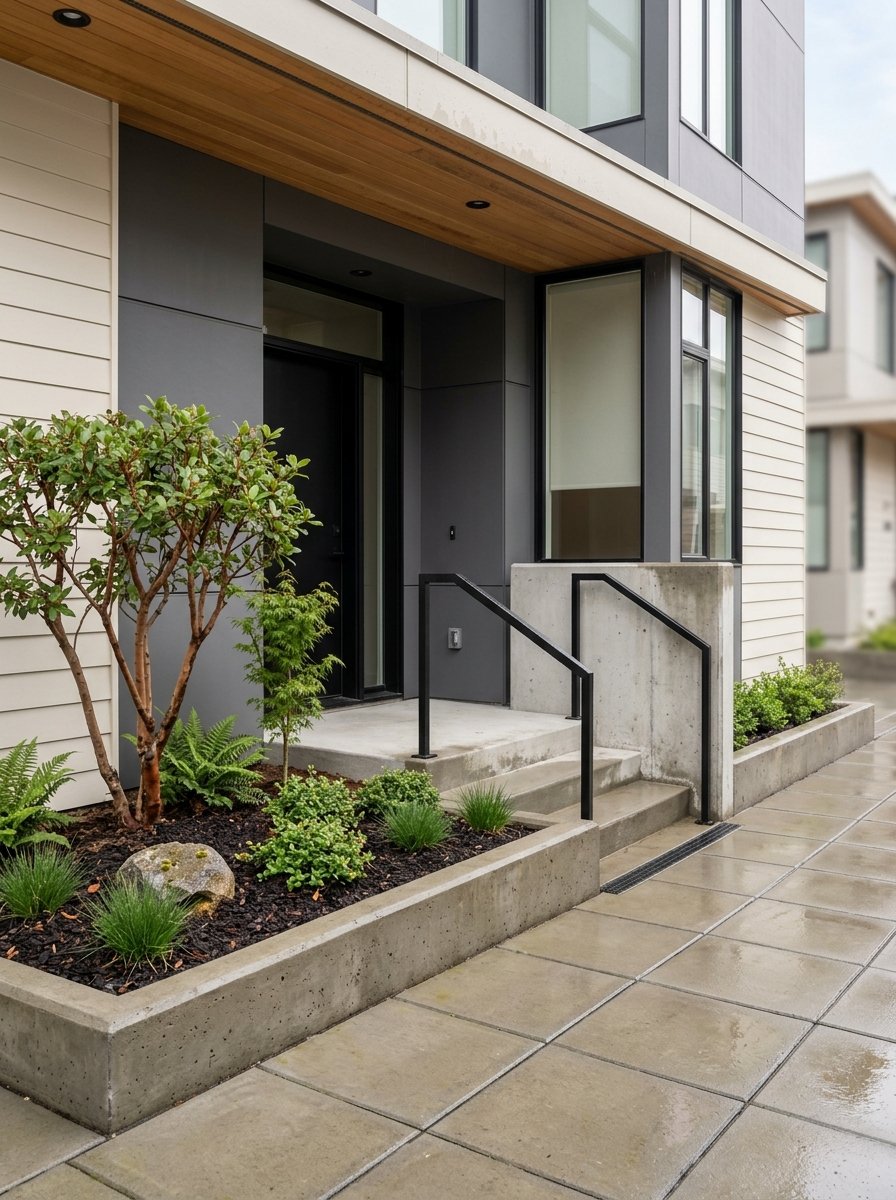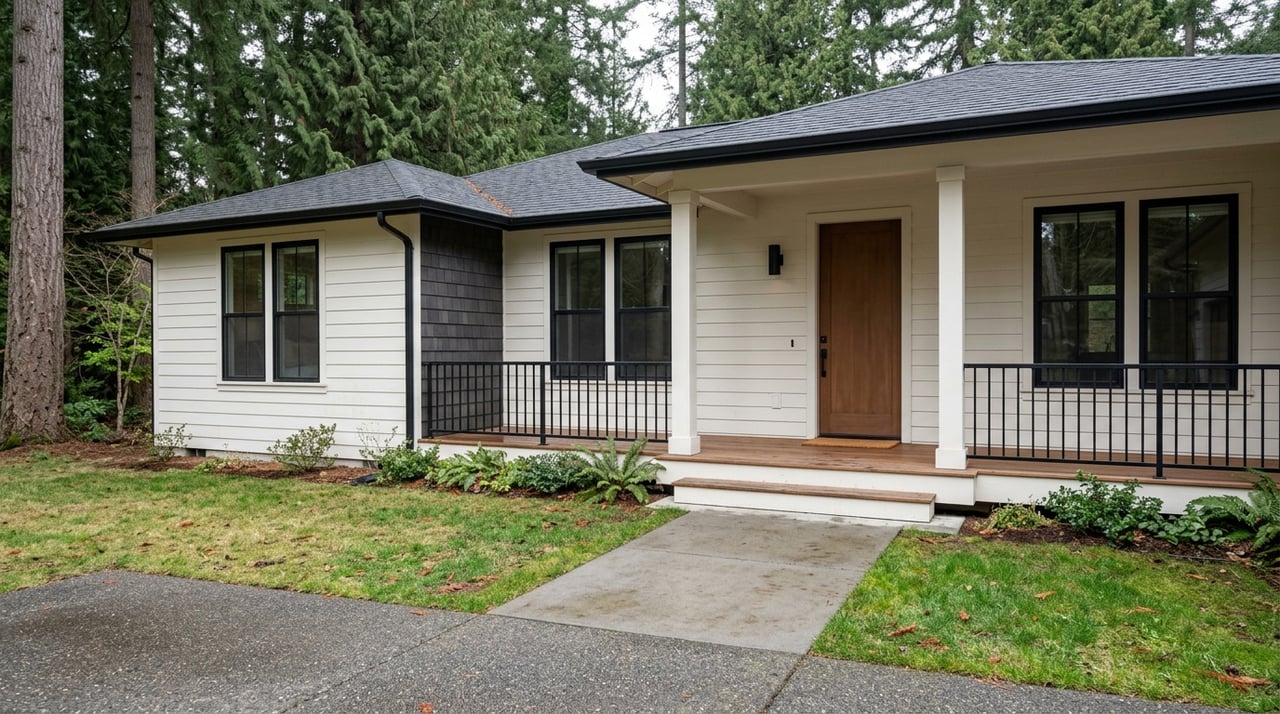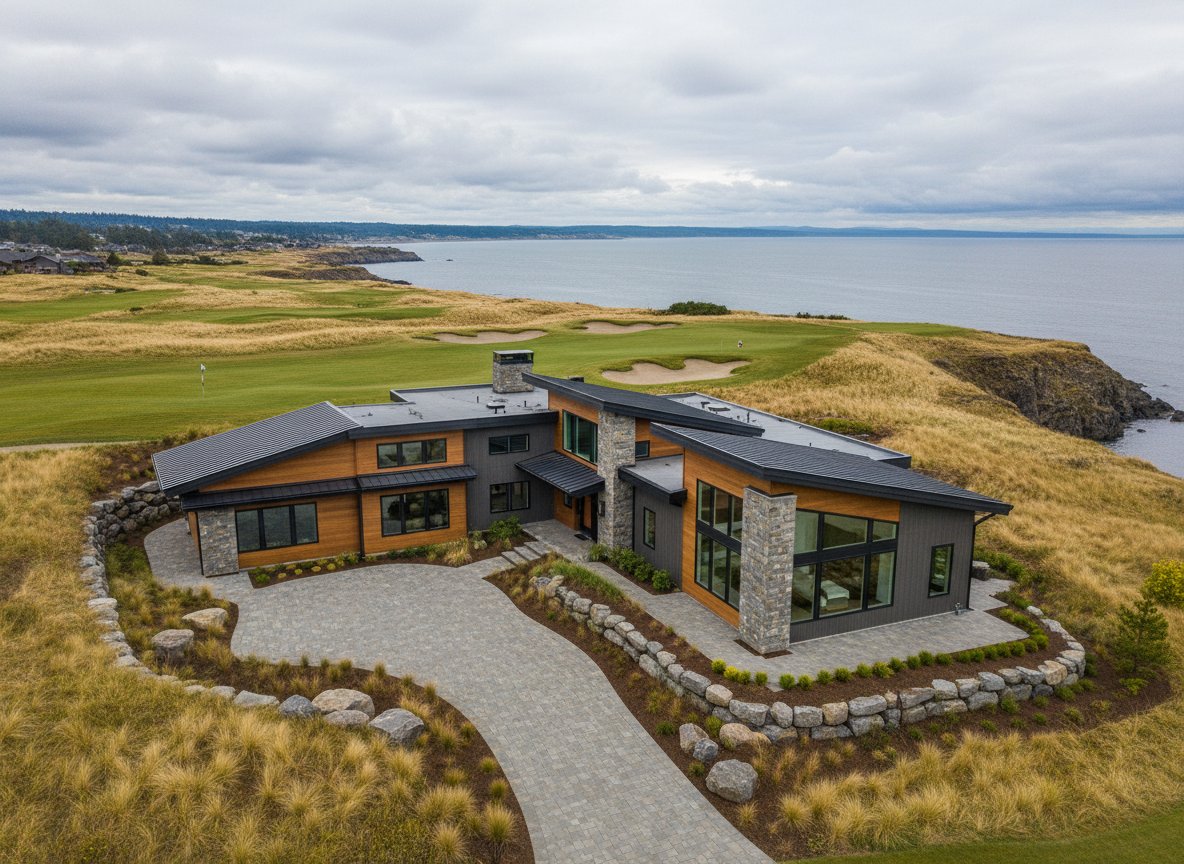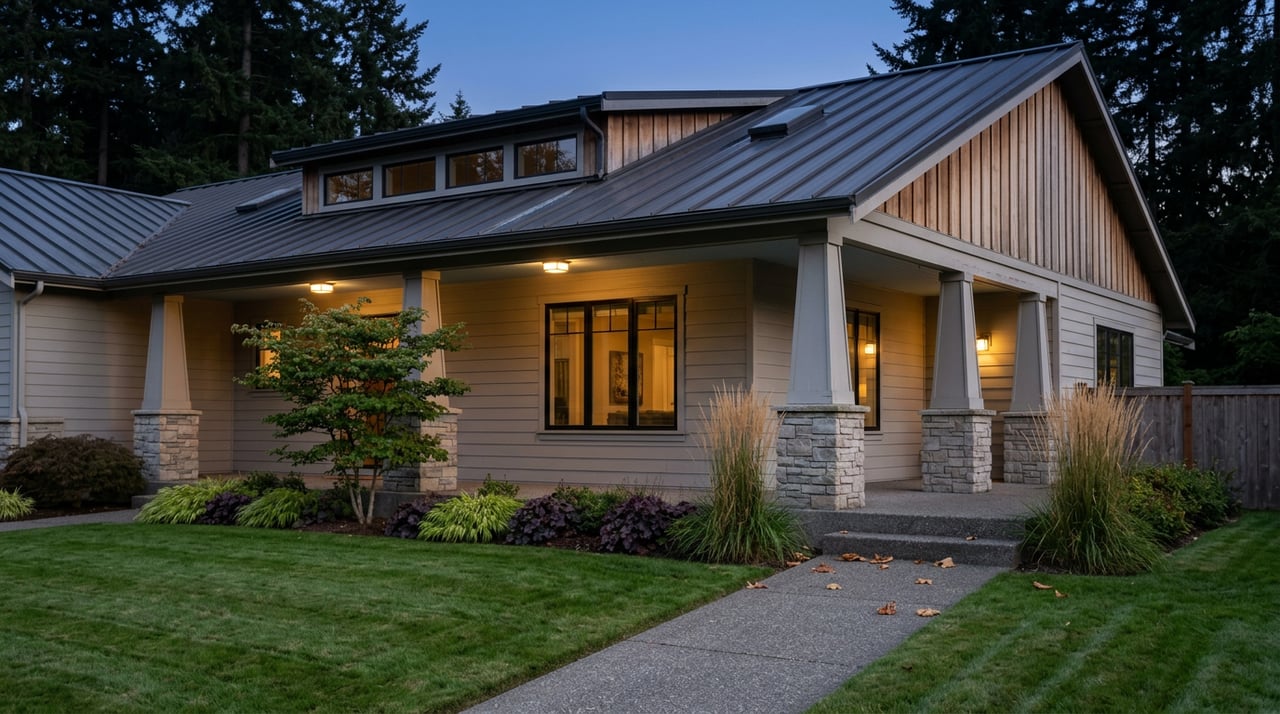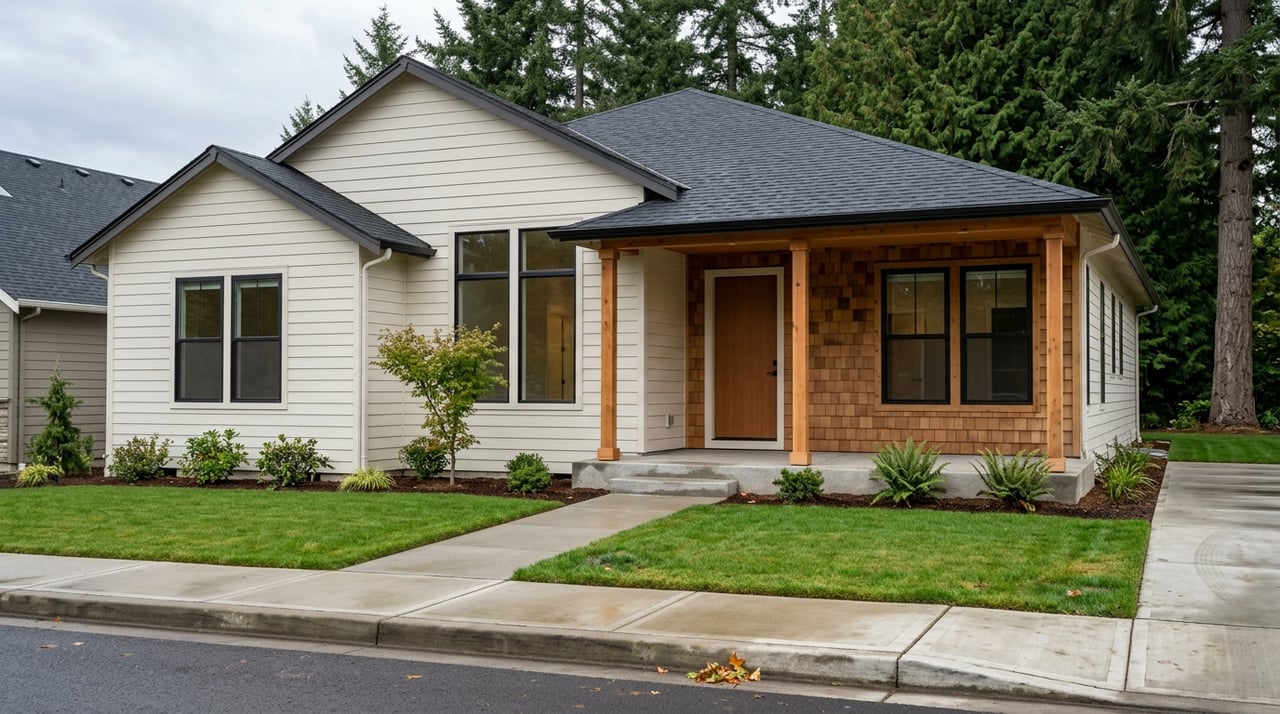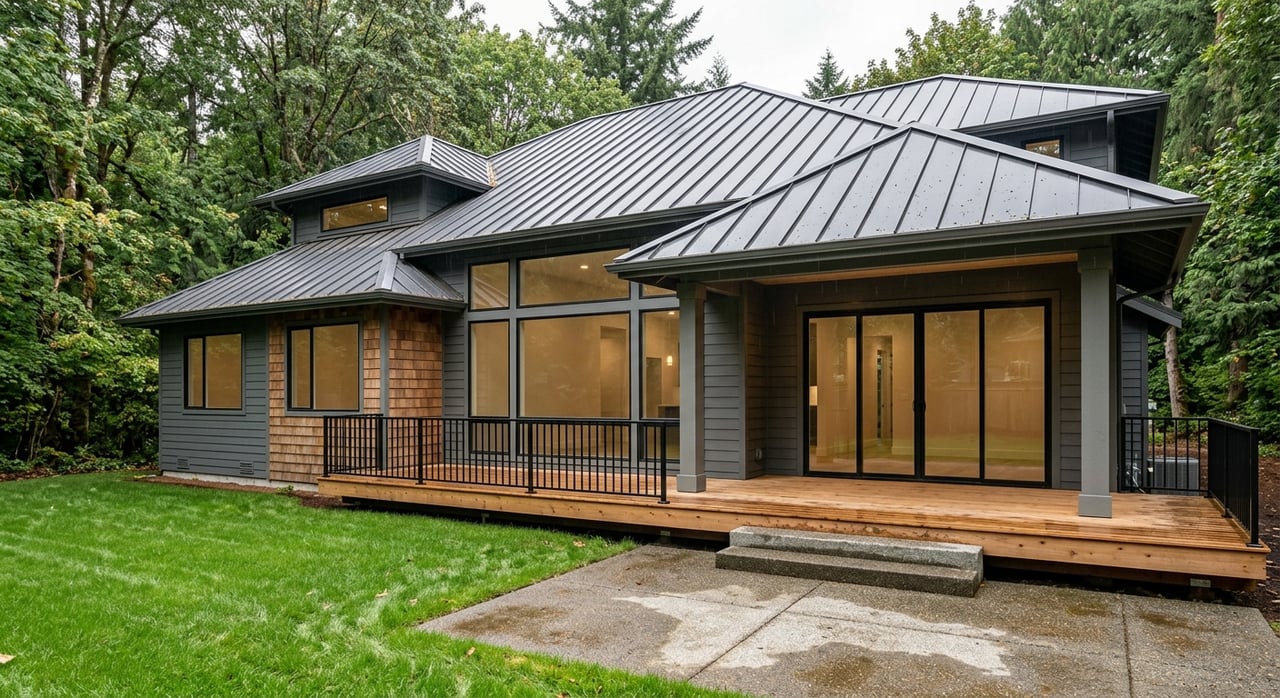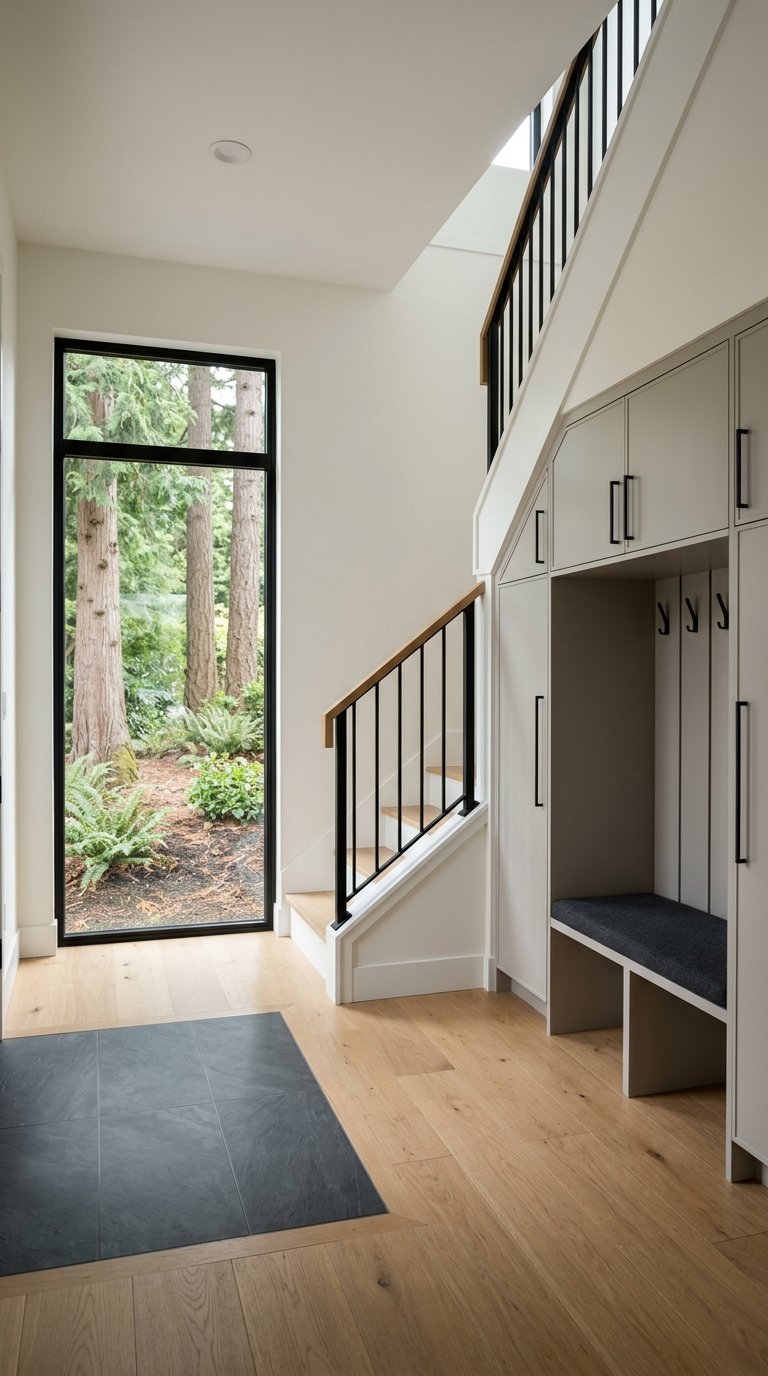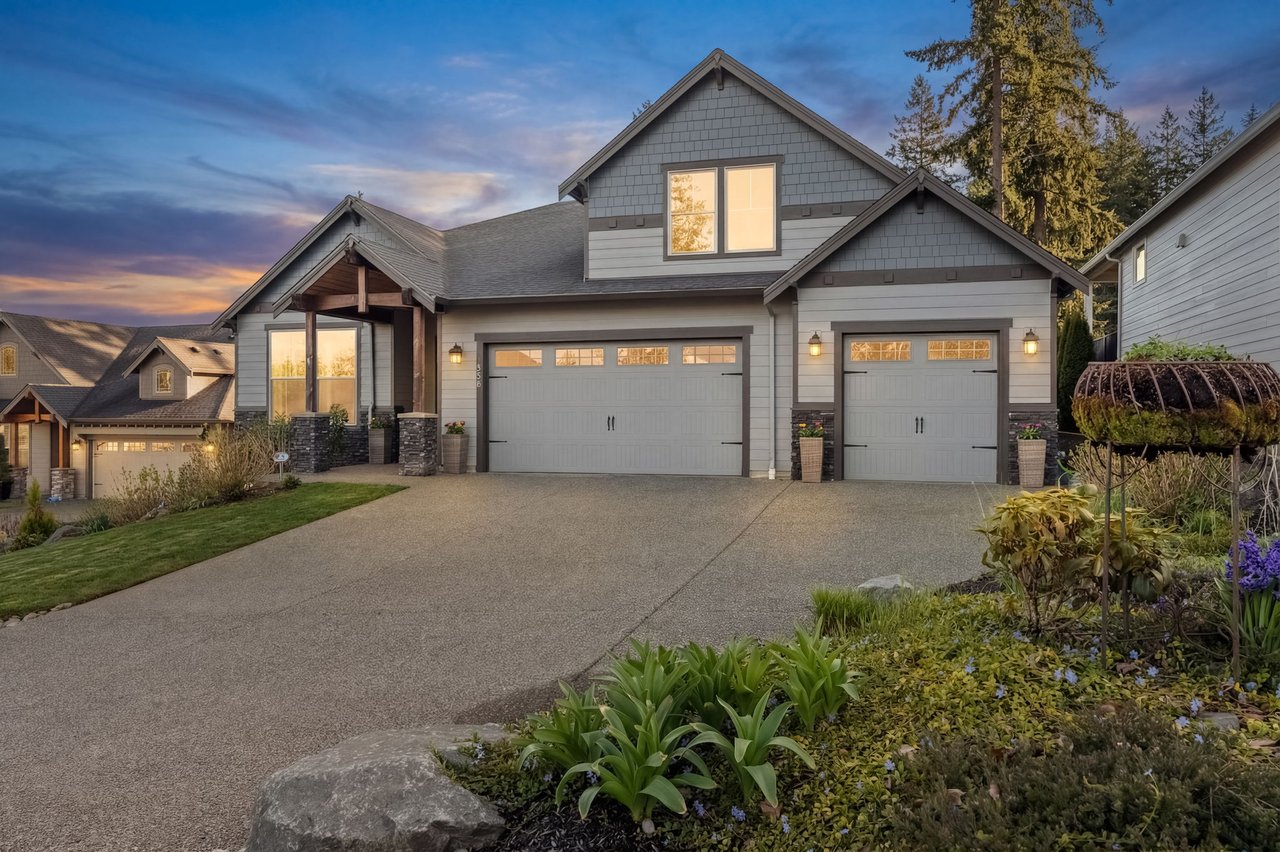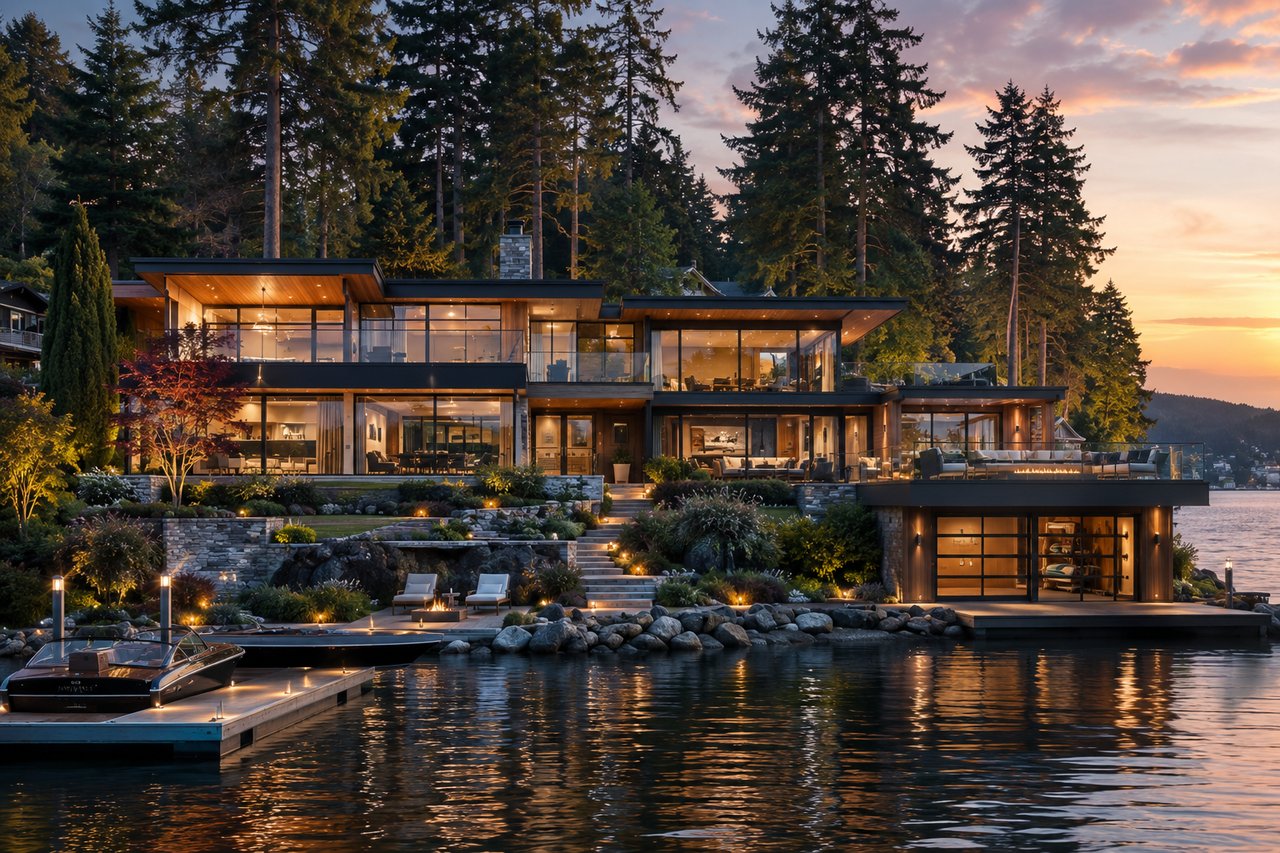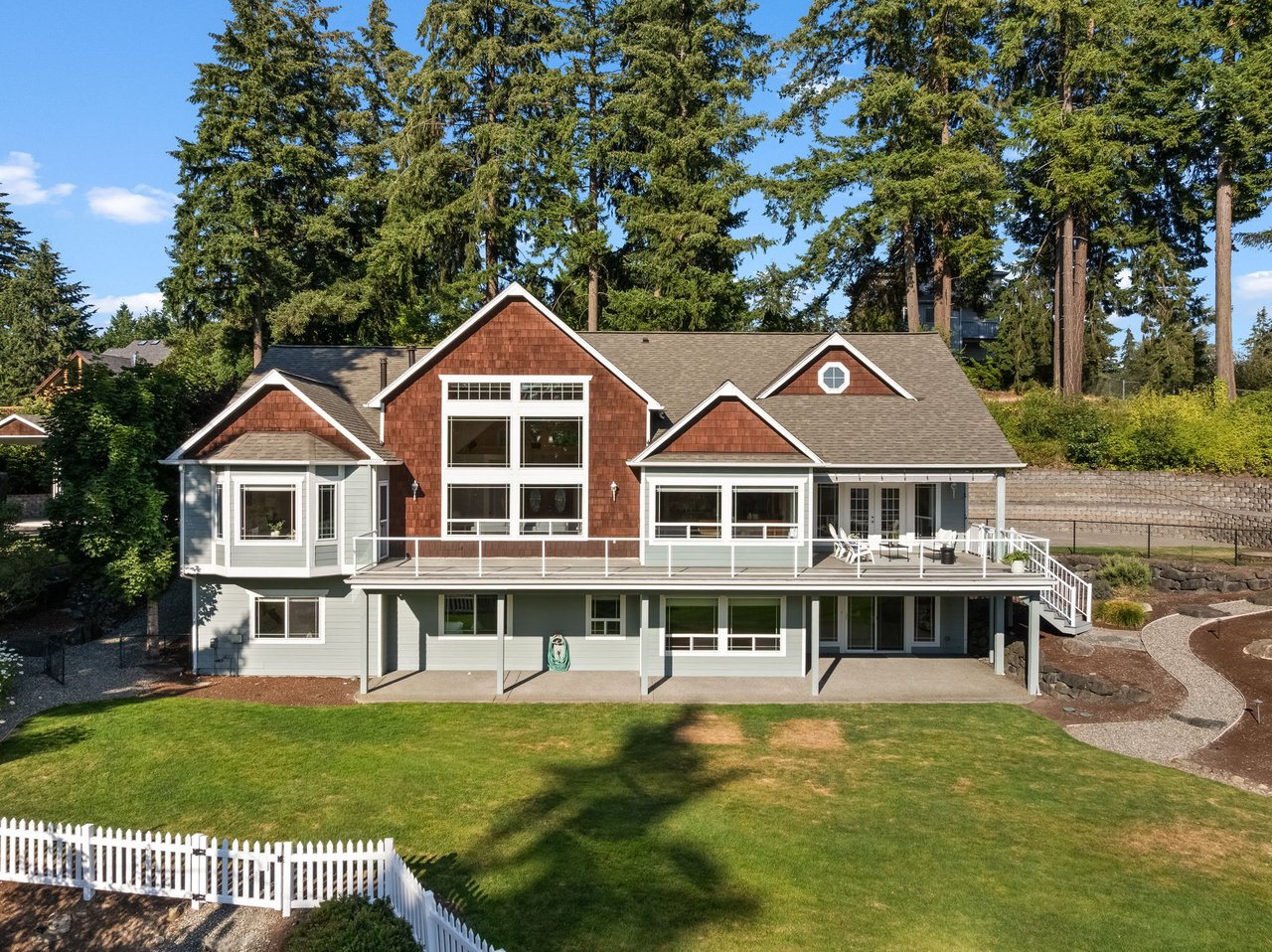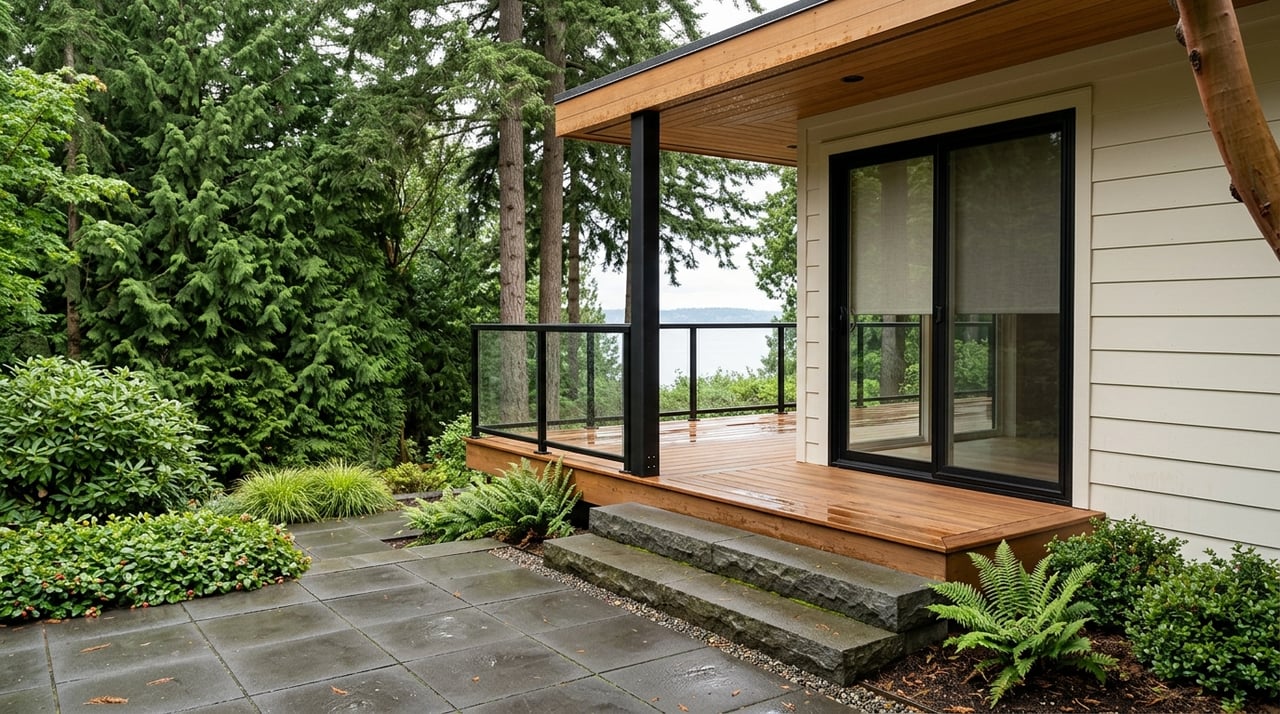
If you are dreaming about waking up to calm water, private shoreline, and that tucked-away Gig Harbor feel, Wollochet Bay can be incredibly appealing. It also comes with a version of homeownership that is more complex than buying a typical inland property. Before you fall for the view alone, it helps to understand permits, shoreline conditions, utilities, and water-quality factors that can shape daily life. Let’s dive in.
Why Wollochet Bay feels different
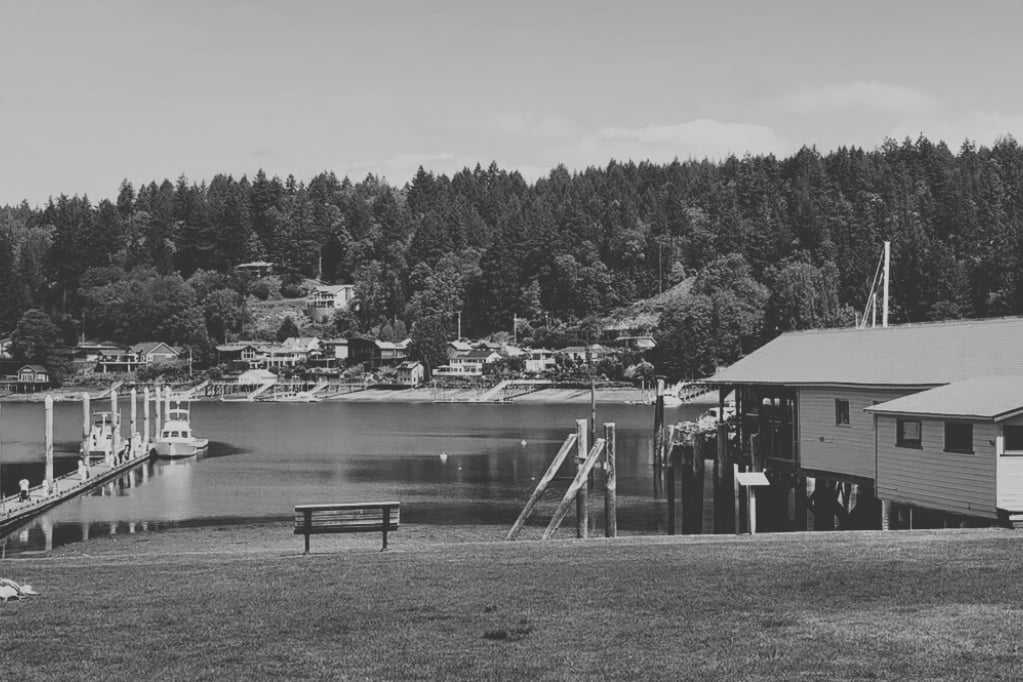
Wollochet Bay sits off Hale Passage, just south of the Tacoma Narrows, and stretches more than 2.5 miles into the Gig Harbor Peninsula. At the north end of the bay, estuary and mudflat habitat add to the natural setting and also make this shoreline more environmentally sensitive.
For you as a buyer, that means Wollochet Bay is not just a waterfront address. It is a shoreline environment with more oversight and more parcel-specific questions than you might expect in a standard neighborhood search.
What the shoreline is like
Pierce County describes the Hale Passage and Wollochet Bay shoreline as primarily Conservancy and Rural/Residential, with a small Natural area at the north end. In plain terms, the area reads as more residential and lower-key than a commercial marina setting.
That quieter character is part of the draw. It is also part of why buyers should expect rules and land-use considerations tied closely to shoreline protection.
Sensitive habitat matters here
County and conservation sources note eelgrass near the mouth of the bay, along with forage fish and herring spawning use, shellfish habitat, and estuary and salt-marsh habitat at the bay head. Those environmental features help explain why shoreline work is closely reviewed.
If you are considering changes to a property over time, this is important context. The shoreline is not just scenic. It is also regulated in ways that can affect what you can improve, rebuild, or add.
What homes and lots tend to look like
Along Wollochet Bay, many buildable parcels are already developed with primary residences and related outbuildings. Pierce County also notes that a significant number of shoreline parcels have concrete bulkheads and private docks.
That means you will likely see a mix of property types. Some homes offer direct waterfront, some are primarily view-oriented, and some sit on shoreline that has already been modified with structural improvements.
Lot shape and slope can vary a lot
Not every waterfront lot lives the same way. On the northwestern shore, upland parcels between Wollochet Bay Drive and the water have been described as roughly 165 to 450 feet deep, generally sloping gradually toward the shoreline, with at least one parcel showing about a 20-foot bank.
That kind of variation matters in real life. A gradual slope, a steeper bank, beach type, and existing shoreline work can all affect access, maintenance, and how usable the property feels day to day.
Public access is limited
Wollochet Bay does have public water access, but it is more limited than you would find in a more urban waterfront area. Pierce County identified four public parks or boat launches along the Hale Passage and Wollochet Bay shoreline, including Wollochet Bay Estuary Park and the Point Fosdick boat launch at the mouth of the bay. The county also lists 37th Street NW on Wollochet Bay as a boat launch or access point.
For buyers, this is useful context when comparing private waterfront ownership with nearby public access options. If your lifestyle depends on easy launch access or frequent on-the-water use, the exact location of the property matters.
Docks and moorage are never automatic
This is one of the biggest things to understand before buying on Wollochet Bay. In unincorporated Pierce County, all shoreline development requires shoreline review and is subject to county shoreline rules and the Shoreline Management Act.
Pierce County lists a wide range of regulated shoreline activities, including construction or alteration of structures, dredging, dumping or filling, bulkheading, driving pilings, placing obstructions, and interfering with public use of the water. Even exempt work still requires a shoreline exemption application.
A dock depends on the parcel
Washington shoreline rules treat a dock for a single-family residence as a water-dependent use when it is intended for watercraft access. Those same rules say new piers and docks should be limited to the minimum size necessary.
For you, the practical takeaway is simple: moorage potential is parcel-specific, not something you should assume based on the bay or street alone. Pierce County has also updated its shoreline program in recent years to prohibit new residential pier and dock construction along some portions of residential and conservancy shoreline.
Existing structures need paperwork review
If a property already has a dock, pier, or bulkhead, do not assume it can be expanded, rebuilt, or replaced on the same terms. A shoreline project may also require additional county review, including critical areas review, a variance, or a conditional use permit.
That is why document review matters so much with waterfront homes. Before you count on future changes, you want the permit history and shoreline records in hand.
Utilities deserve extra attention
Waterfront due diligence should always include utility questions early in the process. In this part of Pierce County, you should verify whether the property is connected to public sewer or relies on septic and private water.
If a home has septic, Tacoma-Pierce County Health Department requires a Report of System Status for property sales. That report is based on a septic inspection and pumping by a certified operation and maintenance firm.
Wells and septic need ongoing care
If the property uses a private well, Washington Department of Health recommends testing drinking water every year for coliform bacteria and nitrate. The state also says gravity septic systems should be inspected at least every three years, while more complex systems are typically inspected every year.
For buyers, this is not just a paperwork issue. It is part of the ownership rhythm and future maintenance planning that comes with some waterfront properties.
Flood and hazard checks should happen early
Flood risk is another area where waterfront buyers should be proactive. Pierce County notes that floodplains are found along coastal shorelines, and FEMA says coastal flood maps identify special flood hazard areas exposed to storm surge, waves, and erosion.
If you are serious about a home near the shoreline, check flood mapping and possible insurance implications as early as possible. This is especially important for lower-bank or shoreline-adjacent parcels where the cost and rules tied to improvements may affect your long-term plans.
Water quality affects how you use the bay
A beautiful shoreline does not always mean the same thing as worry-free beach use. Ecology’s 2022 assessment lists Wollochet Bay for fecal coliform, and Pierce County says water-quality issues in this long, narrow, shallow inlet are made worse by limited flushing and long residence times.
The county inventory also notes prohibited or restricted shellfish-growing areas in parts of Wollochet Bay. If shellfish harvest, beach time, or frequent near-shore recreation is part of your vision, you will want current information rather than assumptions.
Check current shellfish advisories
Tacoma-Pierce County Health Department says closures or advisories can happen because of biotoxins, reported illness, over-harvesting prevention, or water-quality concerns. In other words, access and use can change based on current conditions.
That does not make waterfront ownership less attractive. It just means stewardship and up-to-date local information are part of buying smart here.
A smart due diligence checklist
When you are evaluating a Wollochet Bay property, focus on the details that can change usability, cost, and future flexibility.
- Confirm whether the home is on sewer, septic, or private well
- Ask for recent septic maintenance records, inspections, and water-test results if applicable
- Request all available records for docks, bulkheads, piers, and shoreline permits
- Review flood maps and ask early about insurance implications
- Check current shellfish or beach-use advisories if that is part of your lifestyle goals
- Look closely at slope, bank height, shoreline access, and existing improvements on the specific parcel
Why local guidance matters on Wollochet Bay
Waterfront homes tend to create strong first impressions. On Wollochet Bay, the view can be the easy part. The harder and more important part is understanding how shoreline rules, utility systems, environmental factors, and parcel conditions fit your goals.
That is where a local, education-first approach really helps. When you slow down and verify the right details up front, you can buy with a lot more clarity and a lot less guesswork.
If you are considering waterfront living in Gig Harbor or the surrounding South Puget Sound, Catt Johnson can help you evaluate the property beyond the photos so you can move forward with confidence.
FAQs
What should you check before buying a waterfront home on Wollochet Bay?
- Start with shoreline permits, dock or bulkhead records, septic or sewer service, well information if applicable, flood-map review, and current water-quality or shellfish advisories.
Can you build a new dock on any Wollochet Bay waterfront parcel?
- No. Dock potential is parcel-specific, and shoreline development in unincorporated Pierce County requires review. Some shoreline areas also have updated restrictions on new residential piers and docks.
Do Wollochet Bay homes commonly have septic systems?
- Some properties may rely on septic rather than public sewer, so you should verify the utility setup for the specific home and review required septic documentation during the sale.
Is water quality a factor for waterfront living on Wollochet Bay?
- Yes. Wollochet Bay has documented water-quality concerns, and shellfish closures or advisories can occur, so current local conditions should be checked if beach use or harvesting matters to you.
Why is buying on Wollochet Bay different from buying an inland home?
- Waterfront ownership here can involve added shoreline regulation, parcel-specific moorage questions, flood and erosion review, and more ongoing attention to septic, wells, and shoreline stewardship.