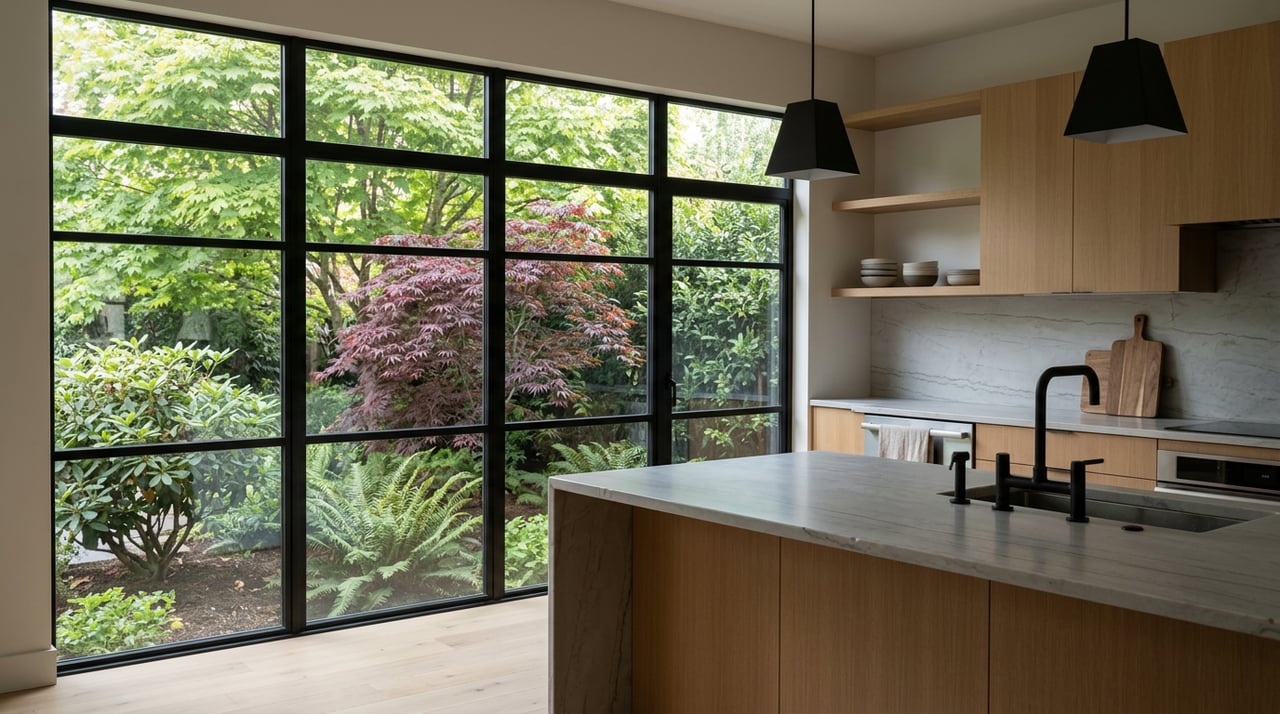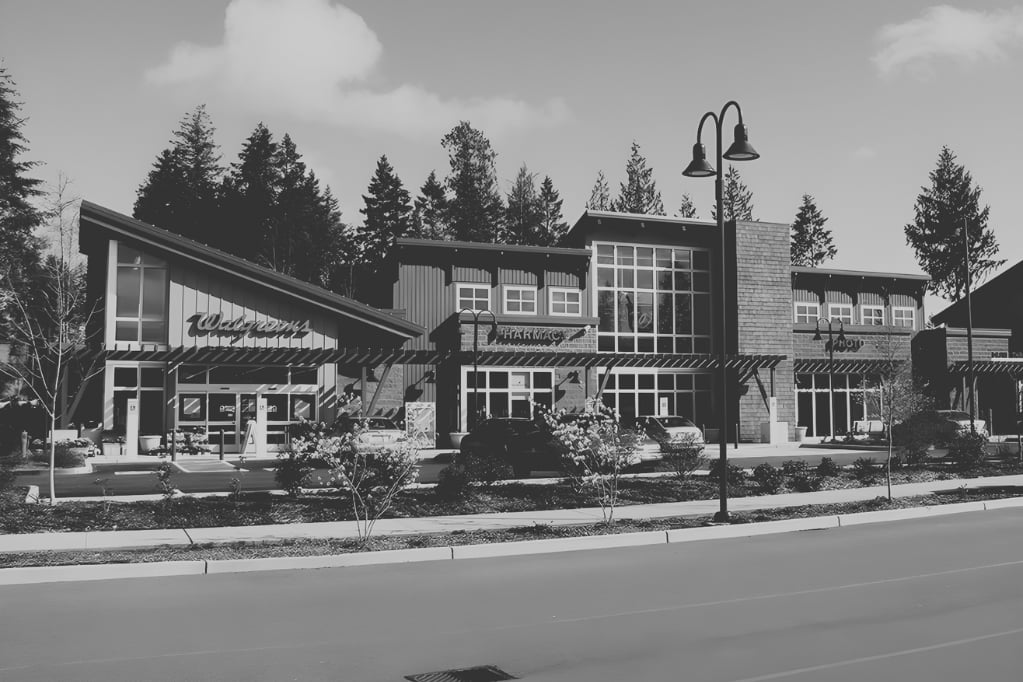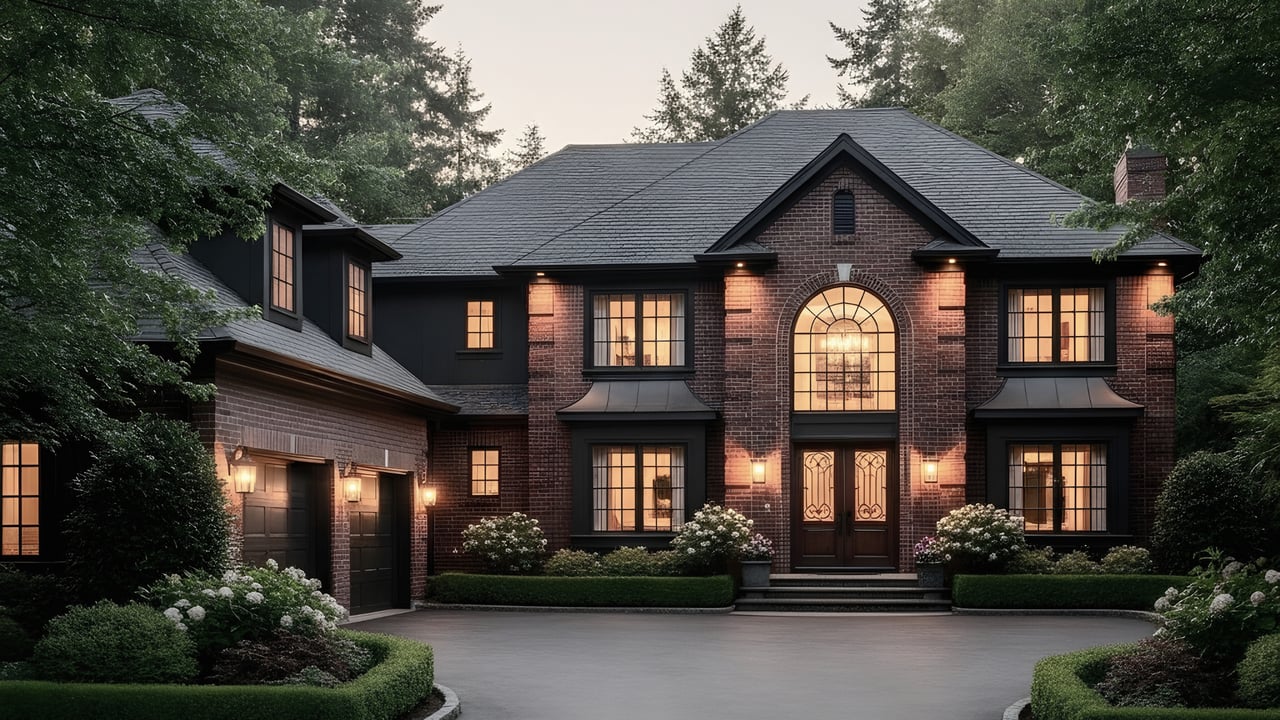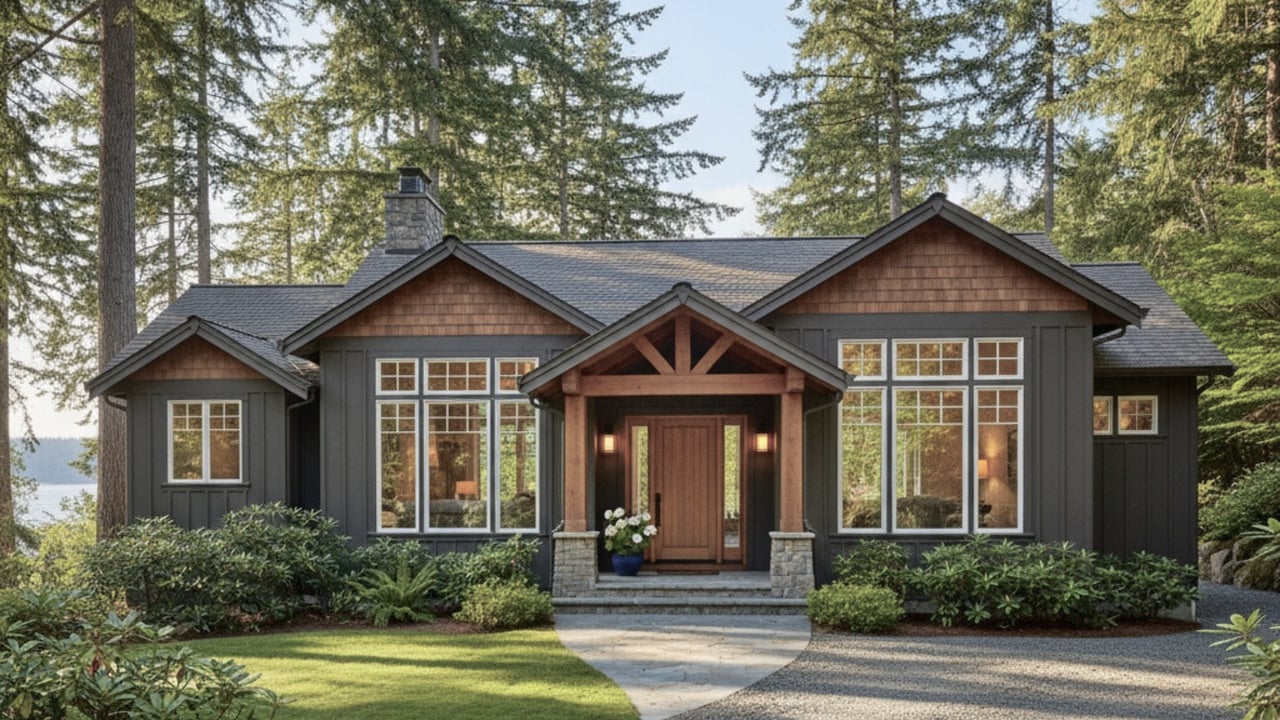
Point Ruston has a lot going for it if you want a home that feels easy to lock up and leave. You get waterfront living, walkable daily conveniences, and a built-in low-maintenance setup that can be very appealing if travel, downsizing, or a simpler routine is part of your plan. But lock-and-leave only works well when the lifestyle, costs, and building rules match how you actually live. Let’s dive in.
Why Point Ruston stands out
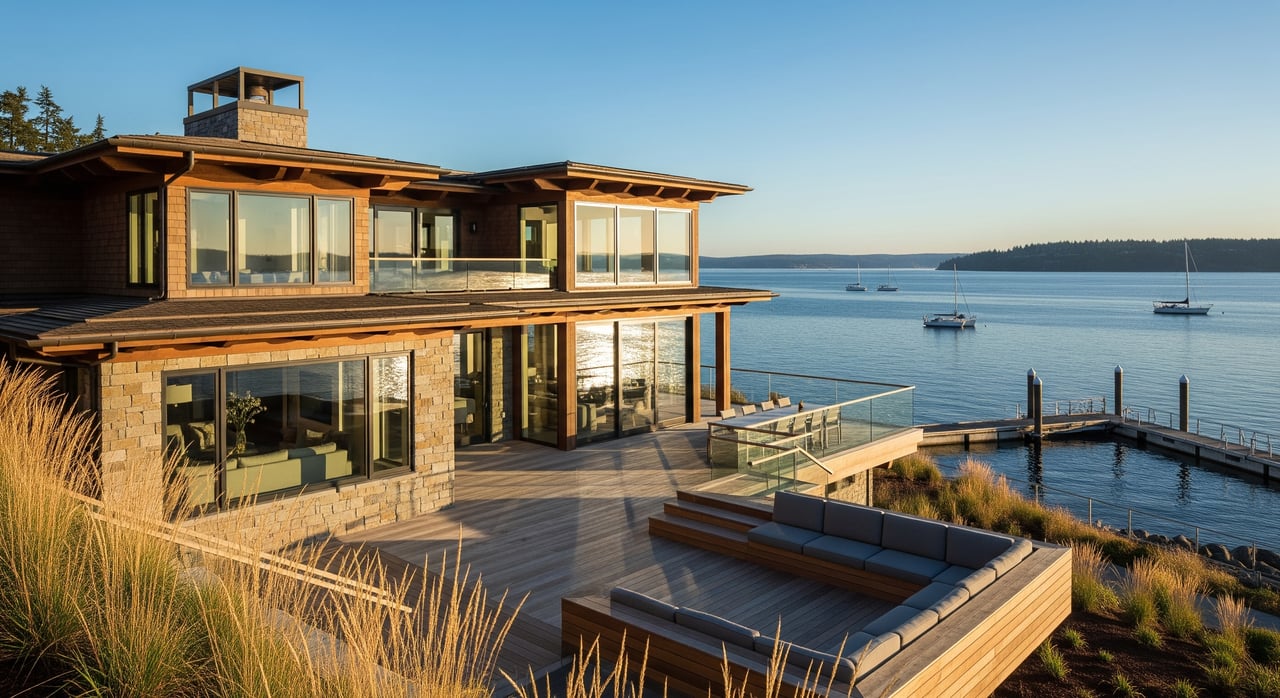
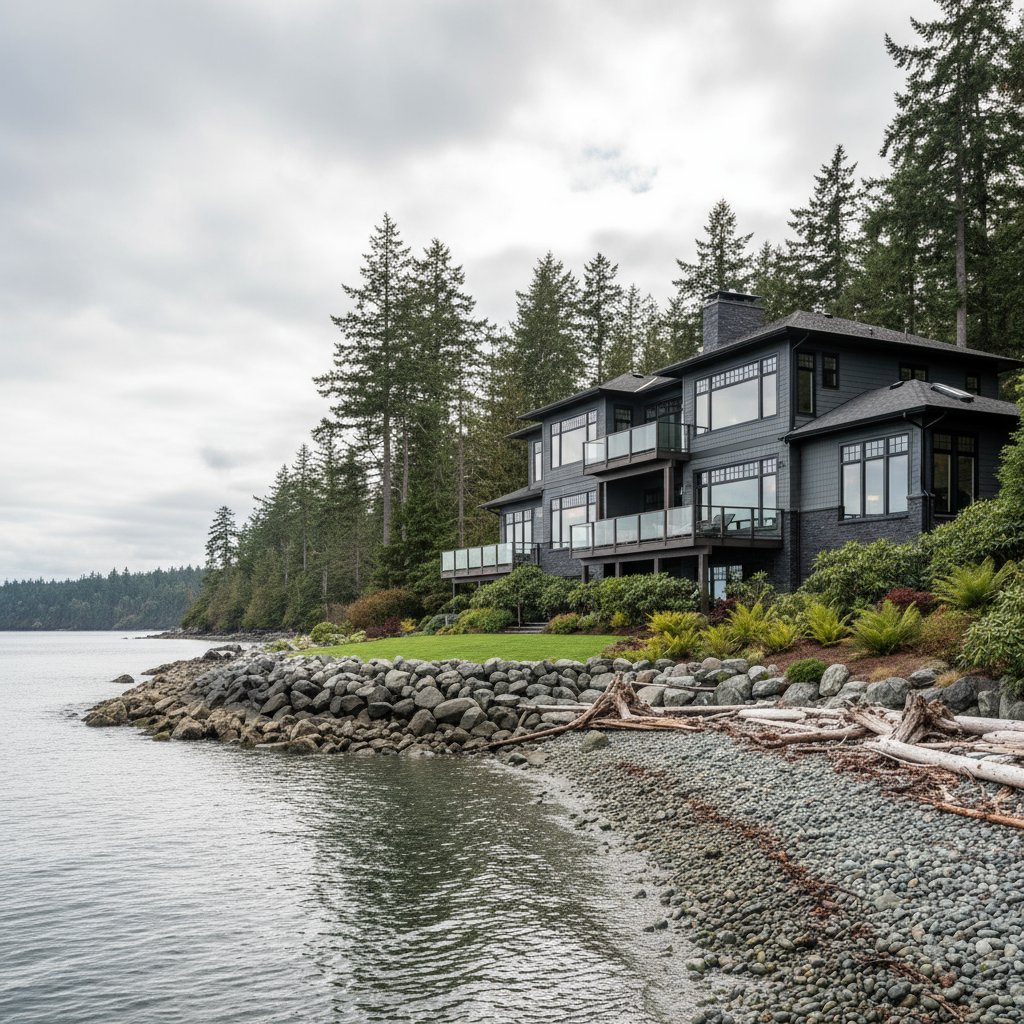
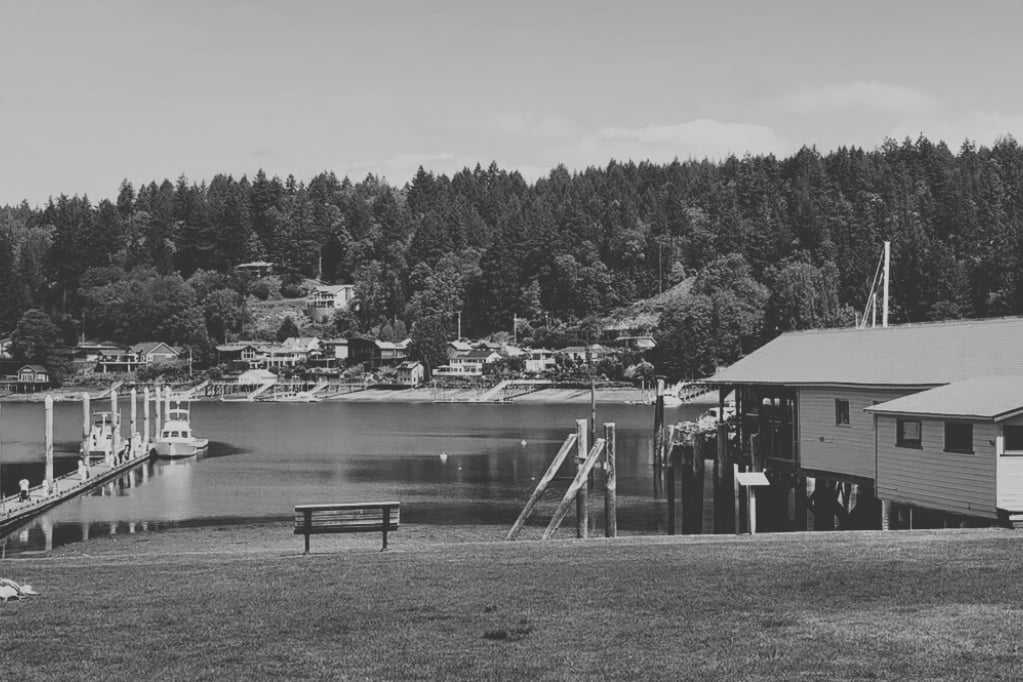
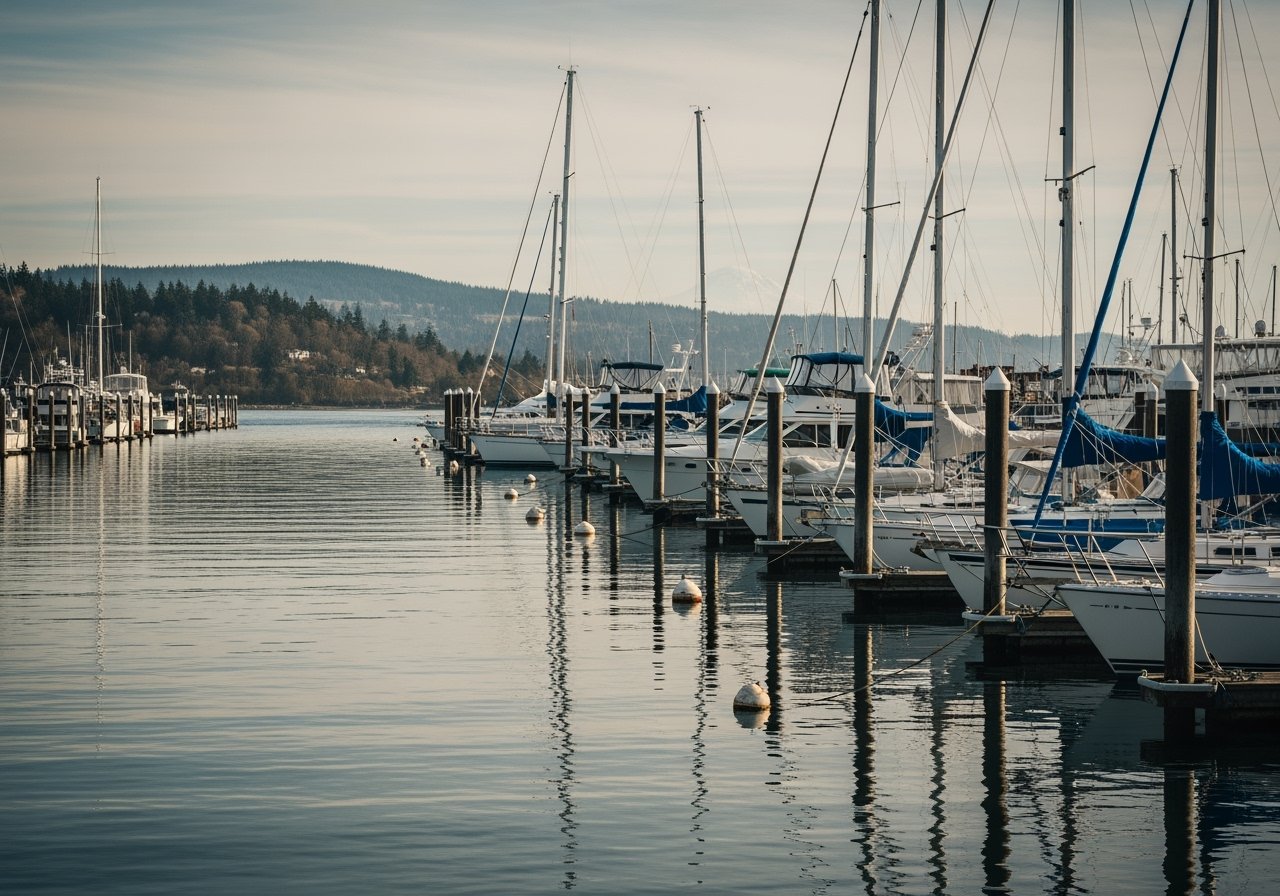
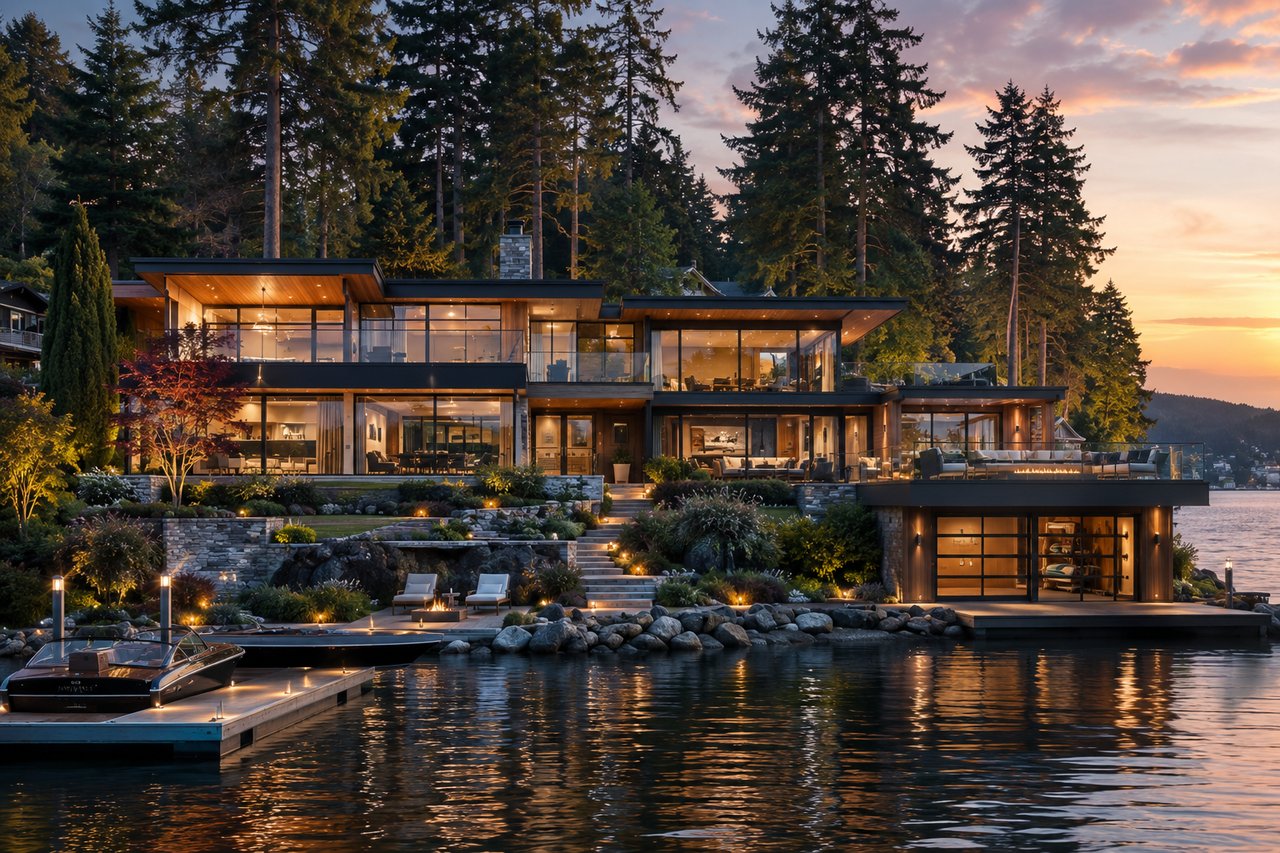
Point Ruston is a 97-acre waterfront neighborhood with nearly a mile of Puget Sound shoreline. It includes condos, apartments, custom view homes in Ruston, a hotel, and more than 50 acres of public open space. For many buyers, that mix creates the strongest case for a true lock-and-leave base.
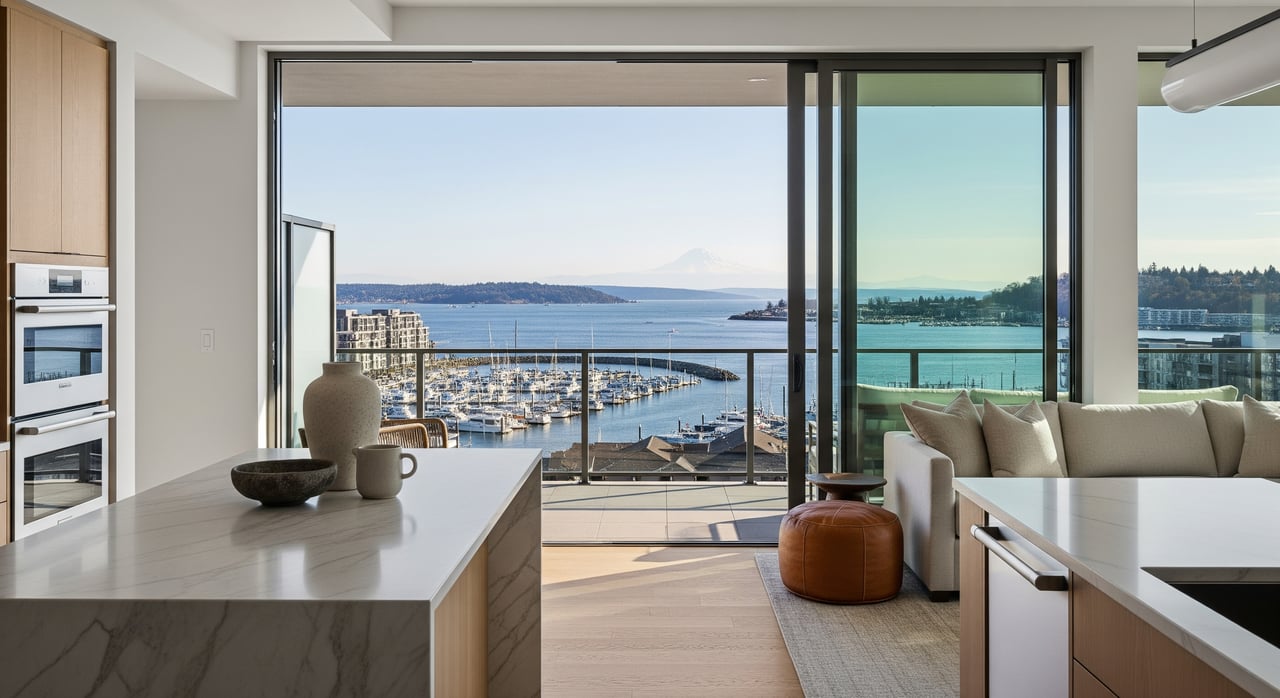
The setting is a major part of the appeal. The Waterwalk runs nearly a mile along Commencement Bay and connects Ruston Way to Point Defiance and Owen Beach. The Grand Plaza adds public gathering space, including a sprayground and amphitheater, which gives the area an active, all-in-one feel.
Daily convenience matters too. The Public Market has more than 40 tenants, and the site is minutes from downtown Tacoma with access to I-5 and Highway 16. If you like the idea of parking once, walking to dining or errands, and spending less time managing a property, Point Ruston checks a lot of boxes.
What lock-and-leave really means here
In Point Ruston, lock-and-leave usually means trading private outdoor space and some direct control for convenience and shared infrastructure. Instead of caring for a yard or exterior, you are more likely to live within an association structure that handles many of those responsibilities. That can be a real benefit if you want a simpler ownership experience.
This setup tends to fit buyers who value access over acreage. Frequent travelers, downsizers, relocation buyers, and second-home owners often like the idea of a secured building, nearby services, and a home that does not demand constant weekend upkeep. If that sounds like your lifestyle, the neighborhood may feel very practical.
That said, low maintenance is not the same as no maintenance. You still need to understand HOA dues, building rules, parking, storage, and long-term reserve planning. A lock-and-leave home should reduce friction, not surprise you later.
Housing options feel different by building
Point Ruston is condo-heavy, but not every home lives the same way. Some buyers picture a single-level condo with panoramic views, while others want something that feels more like a townhome near the water. That distinction matters because your day-to-day experience can vary quite a bit by building and floor plan.
For example, Baker Condominiums includes 162 low-bank waterfront homes with one- to four-bedroom plans. Some layouts are two-level and feel more townhome-style, which can appeal to buyers who want a little separation between living and sleeping areas. Amenities there include community rooms, outdoor barbecue areas, kayak and bike storage, and at least one covered stall plus storage in a secured or gated garage.
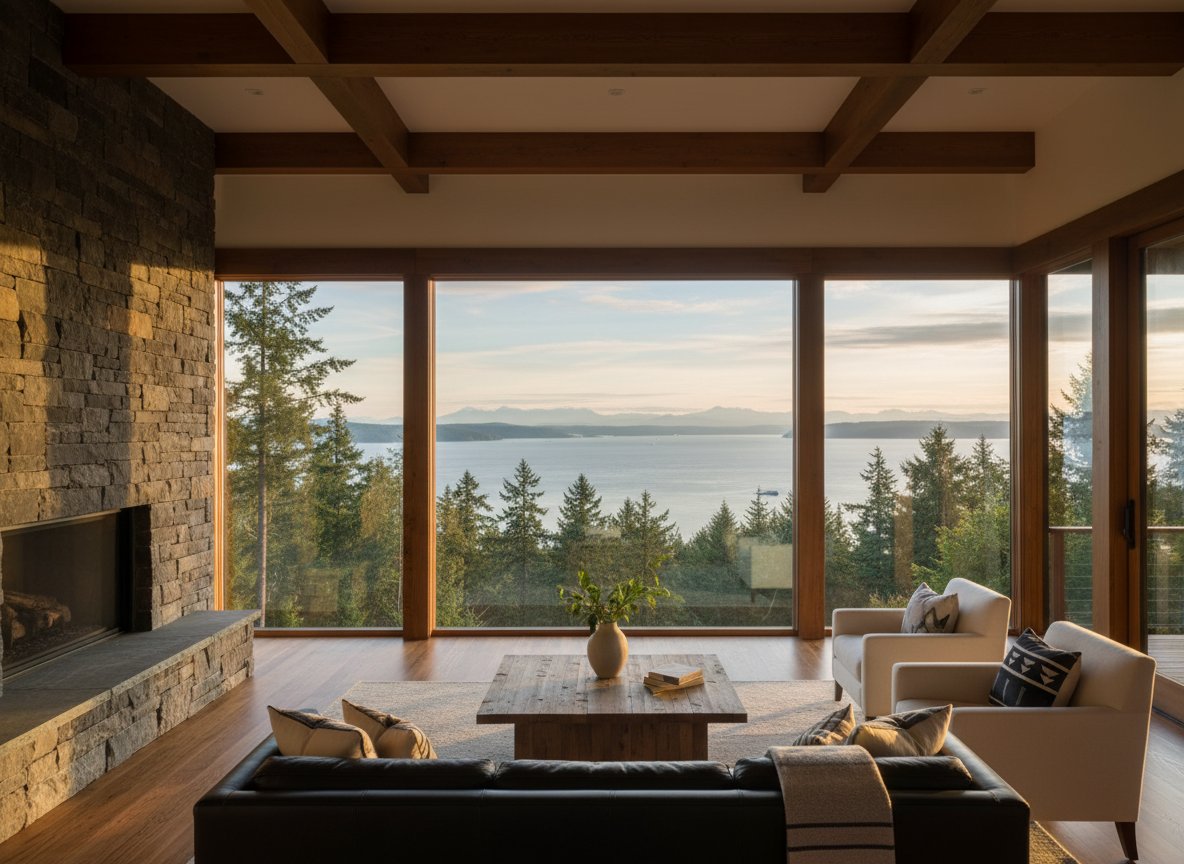
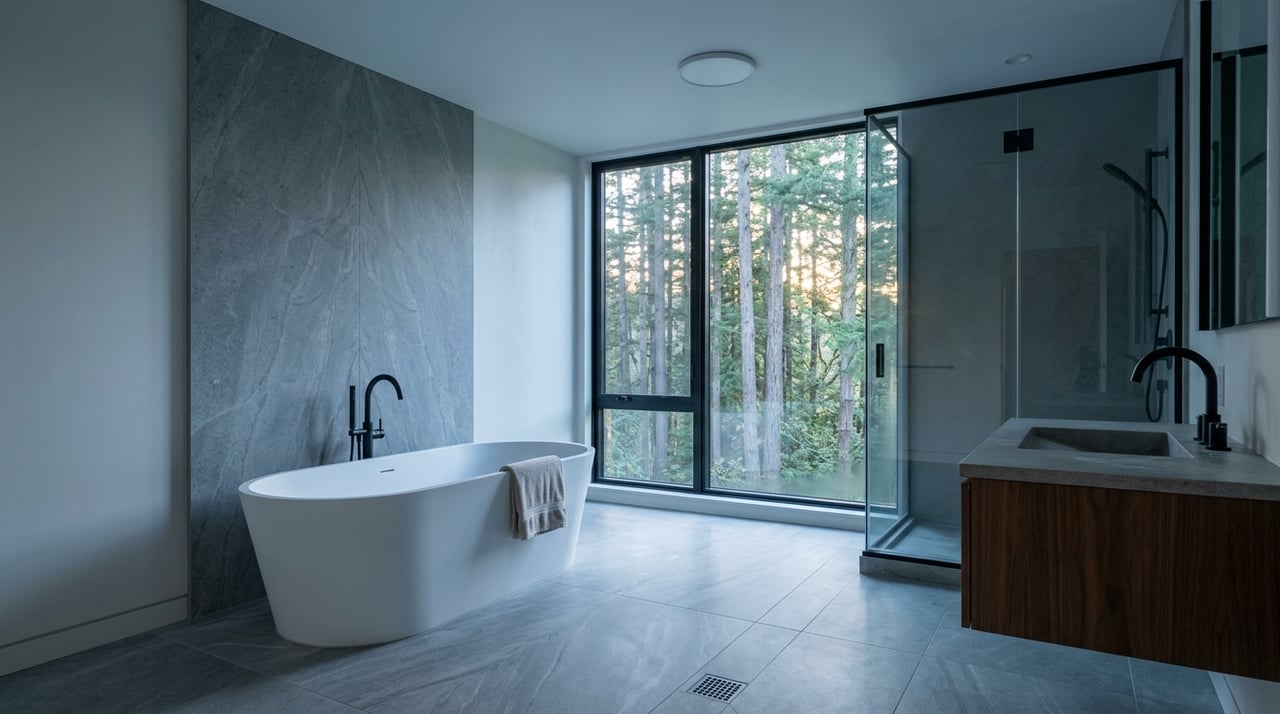
Rainier offers another option, with an eight-level building and panoramic-view homes with upgraded finishes. If your priority is view-driven condo living with a more vertical building feel, that may be a better fit. The bigger point is simple: in Point Ruston, “condo” can mean different things, so it helps to define what lock-and-leave looks like for you before you shop.
HOA dues can change the math
A lock-and-leave lifestyle often comes with HOA dues, and in Point Ruston those costs can vary meaningfully. Recent listing examples show dues from about $316 per month to $1,207 per month. That range is a reminder that monthly ownership costs depend on the building, unit size, view, and parking package.
Higher dues are not automatically a bad sign. They may reflect more extensive amenities, different building systems, or a broader scope of services. What matters is whether the dues support a property and lifestyle that make sense for your budget and priorities.
This is where buyer due diligence really counts. In Washington, condo reserve-study disclosures must include the association’s reserve balance, funding level, planned special assessments, current and recommended contribution rates, and 30-year reserve projections. Those documents can tell you a lot about whether a building is planning ahead or pushing costs into the future.
Read the resale packet carefully
If you are considering Point Ruston as a part-time home, downsizing move, or relocation landing spot, do not treat the paperwork as an afterthought. Washington guidance notes that CC&Rs commonly regulate parking, pets, noise, rental limits, common-area use, dues collection, and enforcement. Those rules shape how easy your ownership experience will feel after closing.
This is especially important in a neighborhood where managed living is part of the appeal. For example, townhome-style homes can still be organized as condominiums, not just as traditional HOAs. That means the property may look more private than it actually functions on paper.
Washington law also warns that weak reserves can lead to deferred maintenance, higher future contributions, borrowing, or special assessments. If your goal is predictable ownership and easier travel flexibility, you want to understand that risk upfront. A true lock-and-leave purchase should feel well-run, not just well-located.
Site history should be part of due diligence
Point Ruston’s location is attractive, but buyers should also understand the site history. EPA’s 2006 agreement stated that Point Ruston would assume cleanup obligations on roughly 97 acres of former smelter land. Ecology has described the former Asarco smelter as one of the nation’s first Superfund sites, and Tacoma’s 2024 SEPA filing shows another supplemental review tied to Point Ruston Phase II.
For most buyers, this does not mean avoiding the neighborhood. It means reading the resale certificate, reserve study, CC&Rs, and any site-specific disclosures with care. If you are buying for convenience and peace of mind, knowing what you own and what has been disclosed is part of making a confident decision.
Parking works differently here
Parking is one of those practical details that can either support a lock-and-leave lifestyle or frustrate it. At Point Ruston, parking is managed rather than informal. The site reports more than 1,000 parking spaces, with the main garage offering more than 600 stalls.
Public parking is also structured with time limits and fees. The first hour is free, then parking is $2 per hour, with merchant validation rules in place. That may feel easy and organized to some buyers, while others may miss the simplicity of a driveway or unrestricted curb parking.
Guest parking is part of this conversation too. If you expect regular visitors, family drop-ins, or service appointments, it helps to understand how those logistics work in real life. Lock-and-leave living works best when the systems around the home feel manageable, not complicated.
How Point Ruston compares nearby
If you are deciding between a Point Ruston condo and a nearby detached home, it helps to zoom out. As of April 2026, Realtor.com market data showed Tacoma’s median listing price at $529,950. In that same snapshot, the North End was at $725,000, Ruston was at $659,950, and the 98407 ZIP code was at $709,497.
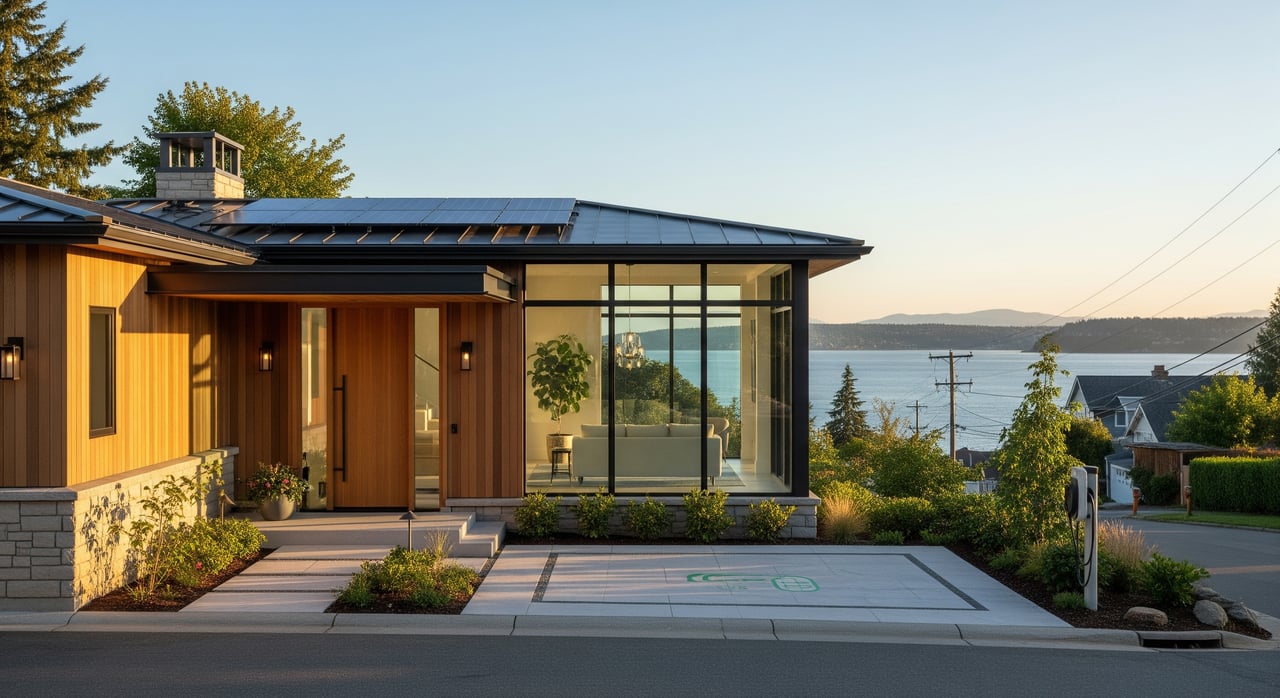
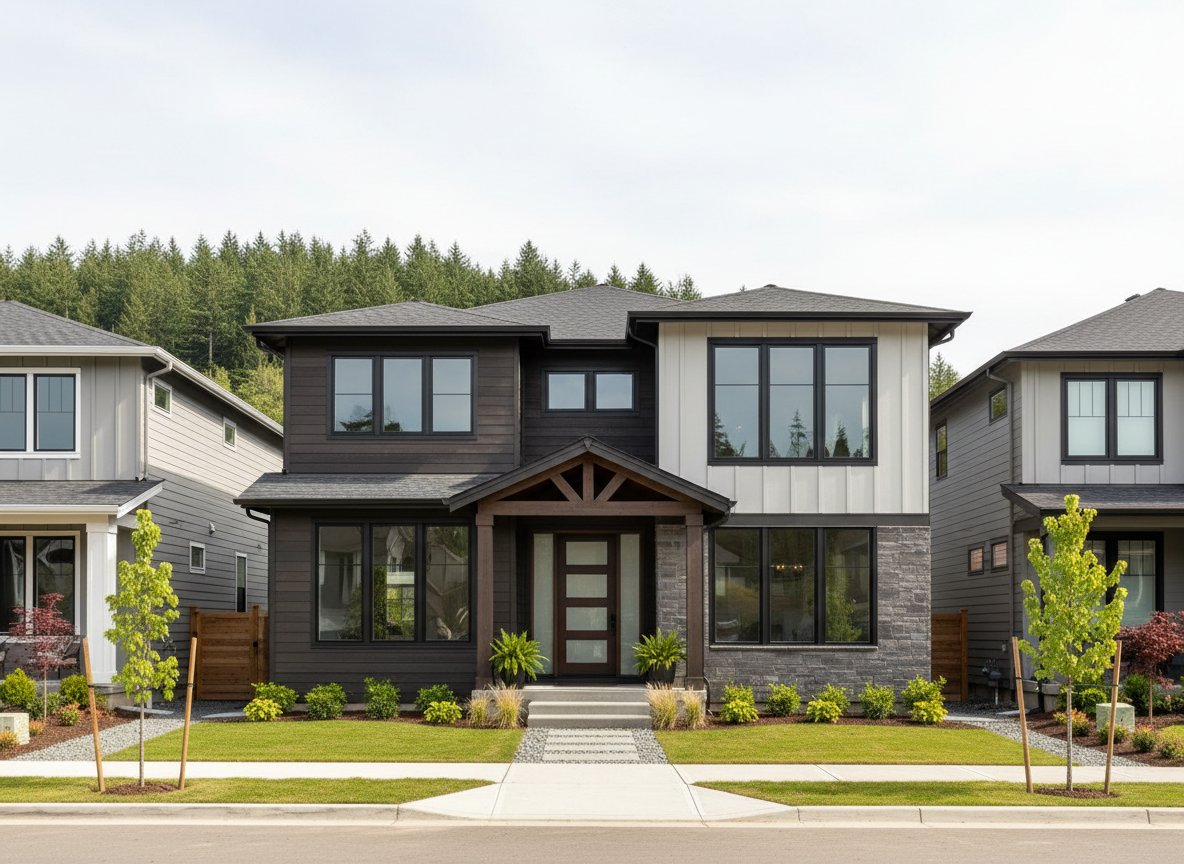
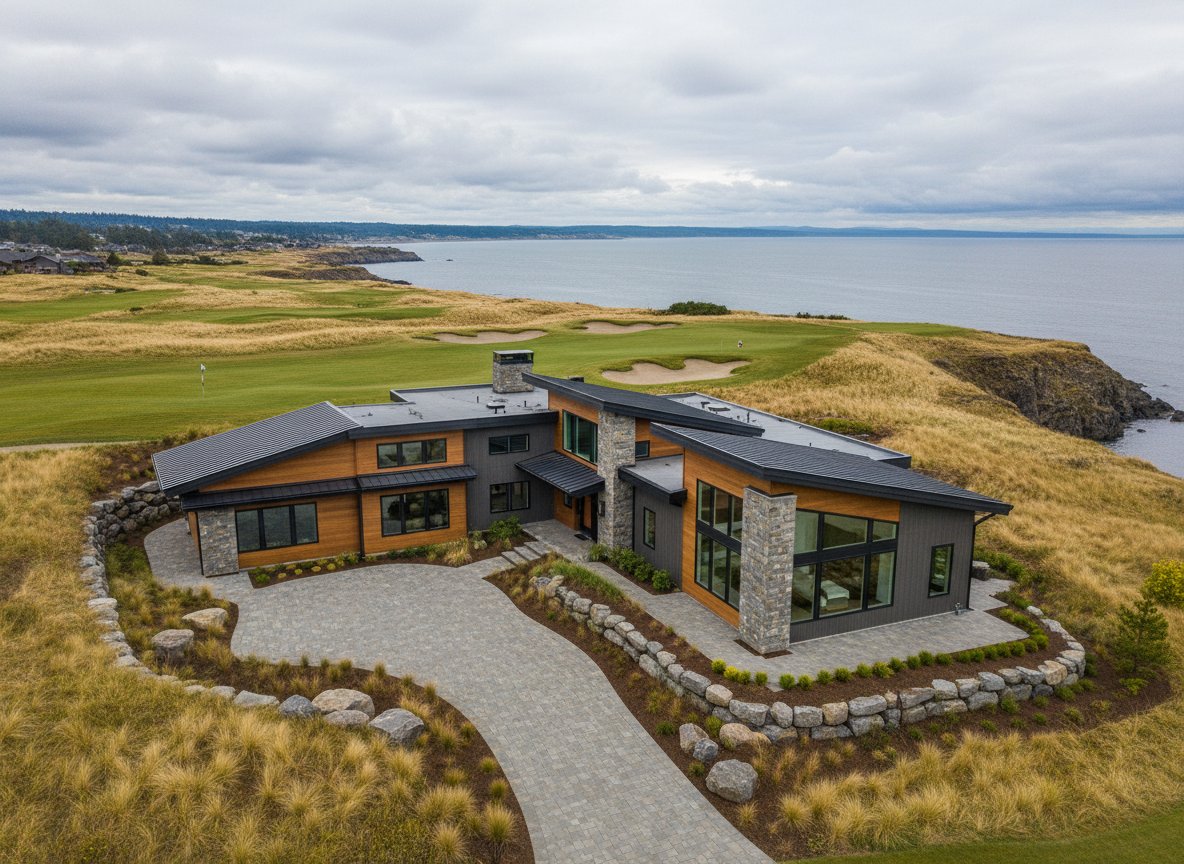
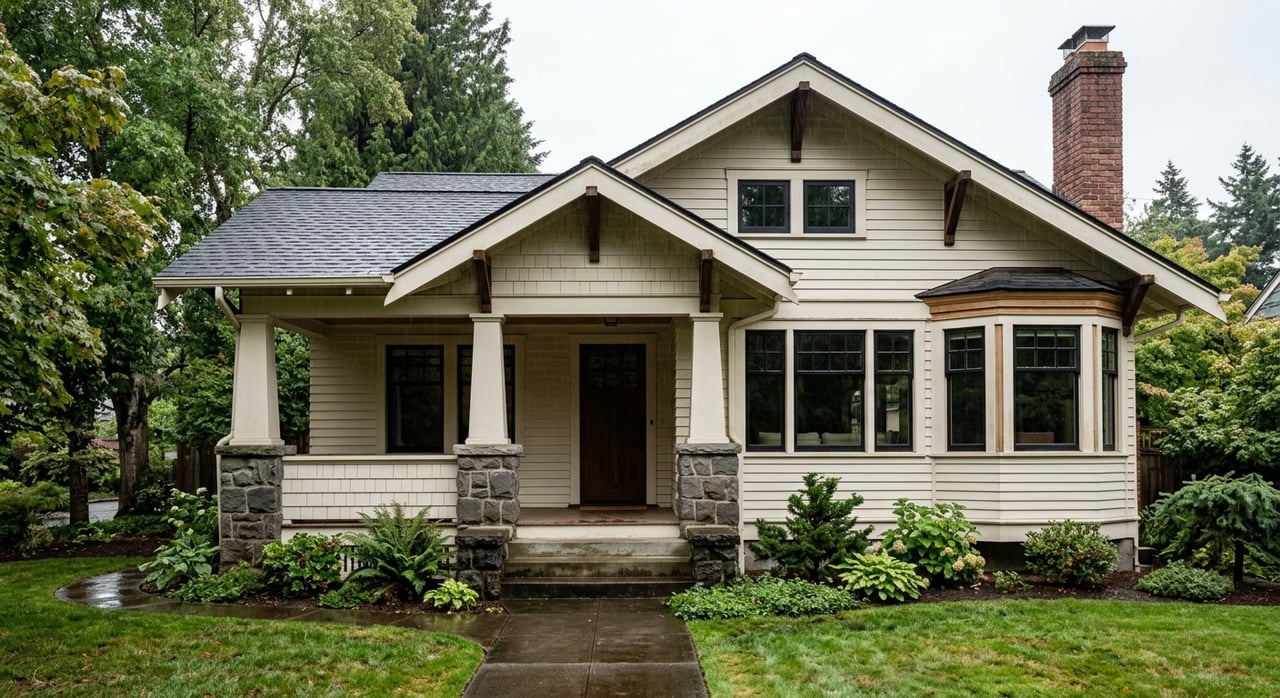
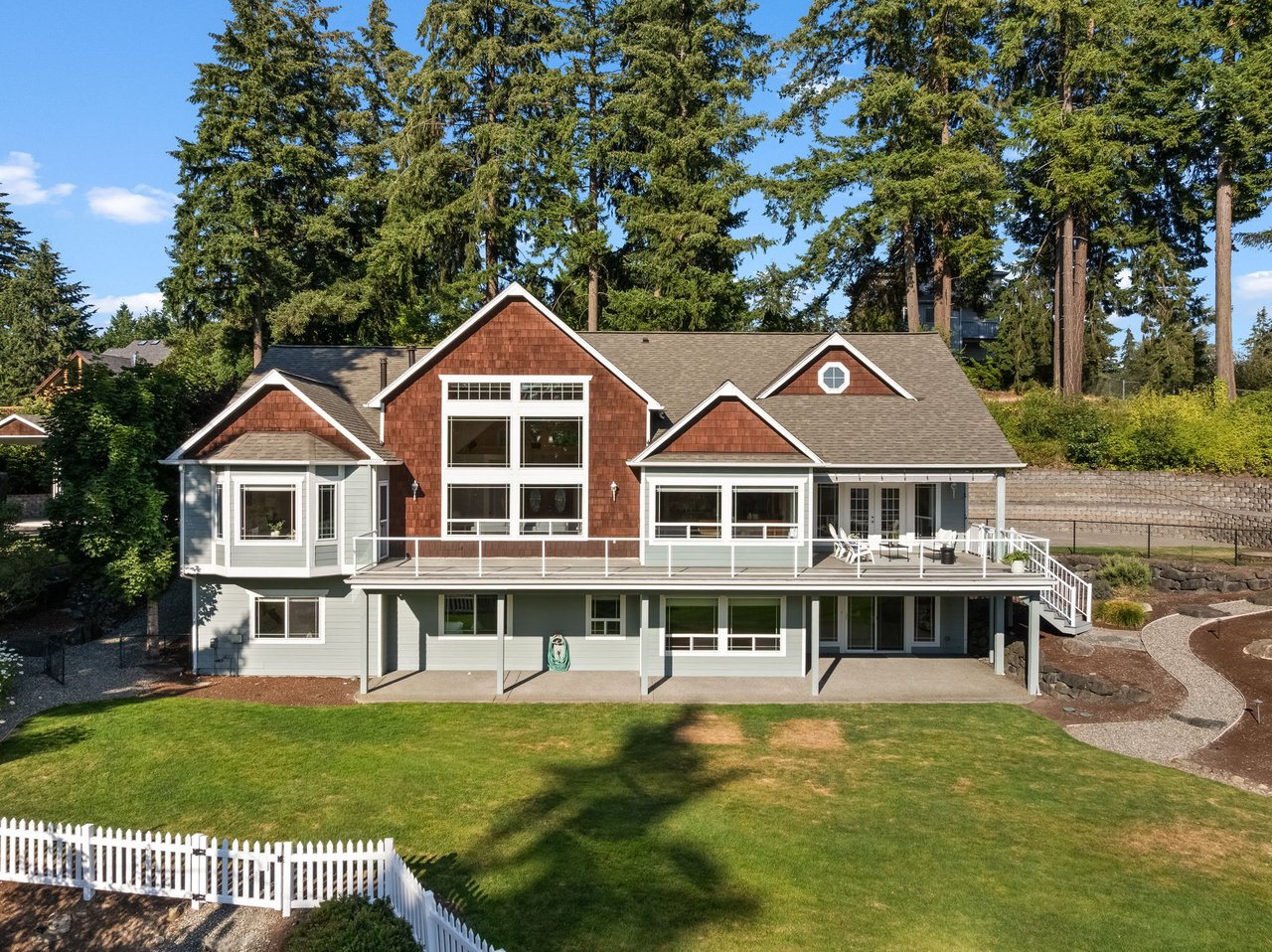
Detached options nearby give you a different ownership experience. North End’s median sold price was $604,000, and Ruston had only eight active homes for sale in that snapshot. Recent Ruston listings ranged from about $499,990 to $2.15 million, which shows how broad the nearby detached-home market can be.
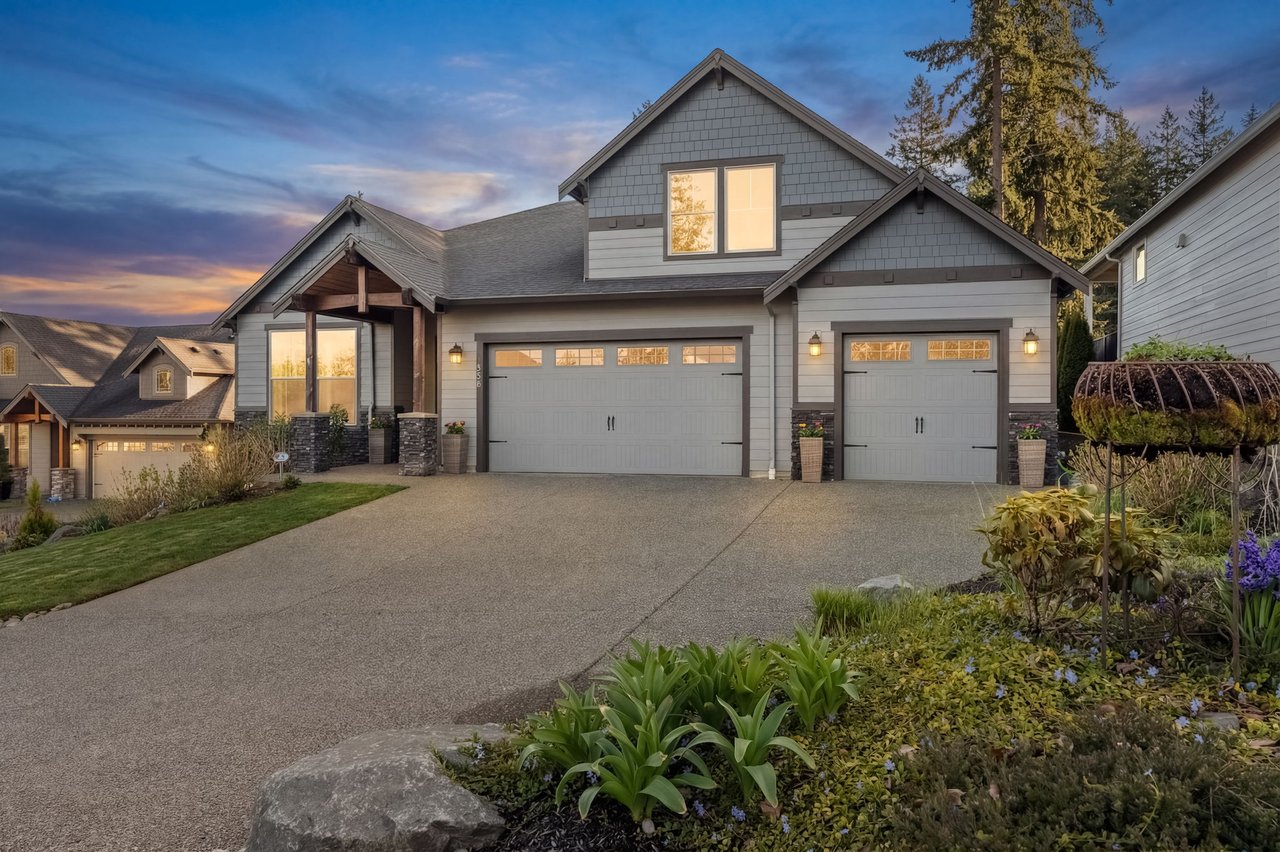
In plain terms, Point Ruston is not just a price decision. It is a lifestyle decision. A detached Ruston or North End home may offer more yard space, storage, and control over the property, while Point Ruston may offer a more convenient, walkable, and lower-maintenance routine.
Who Point Ruston fits best
Point Ruston is often a strong fit if you want a low-maintenance home base and are comfortable giving up some private space for walkability and shared amenities. That can be especially appealing if you travel often, want a second home, or are downsizing from a larger property that no longer fits your routine. The waterfront setting is a major bonus, but the ease of daily life is often what seals the decision.
It may also work well if you are relocating and want a soft landing. Being close to downtown Tacoma, Ruston Way, Highway 16, and I-5 can make it easier to learn the area while still enjoying a distinct waterfront environment. If you want a home that feels active, connected, and easy to maintain, this neighborhood deserves a close look.
When another option may fit better
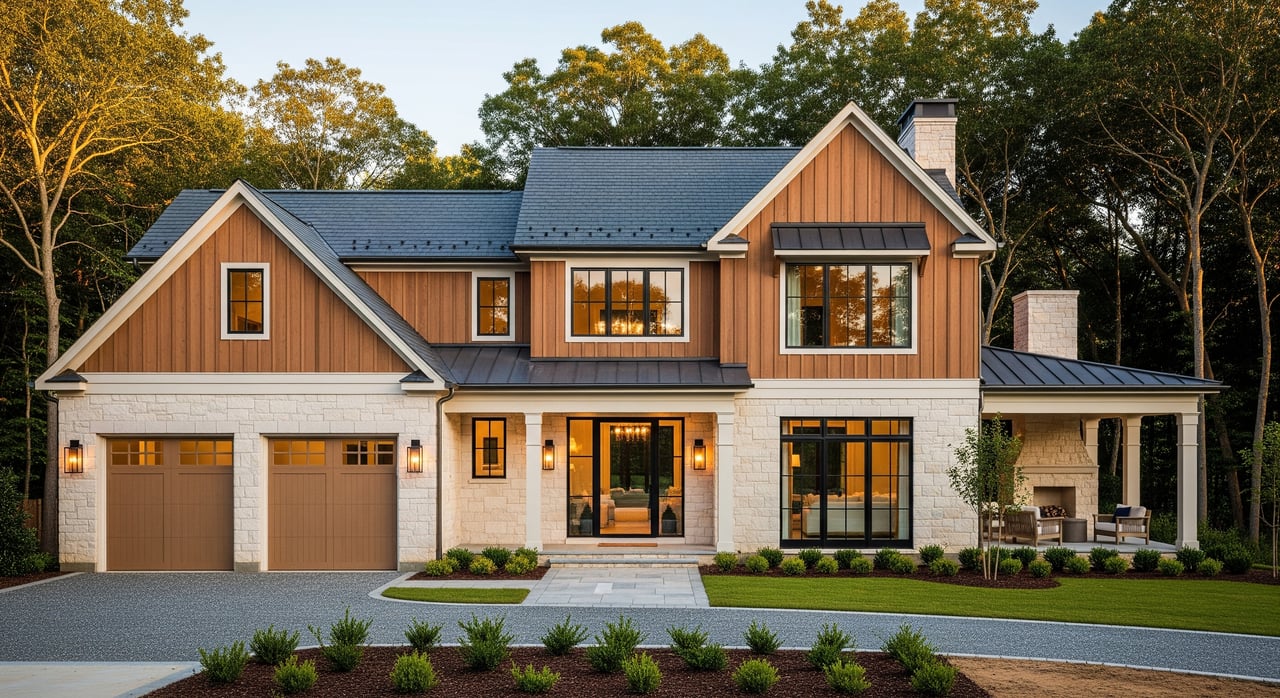
Point Ruston may not be the right lock-and-leave choice if you want a private yard, generous gear storage, or fewer shared rules. Buyers who want direct control over exterior upkeep, more flexible parking, or a quieter detached-home setup often feel more comfortable in nearby Ruston or North End single-family homes. The trade-off is usually more maintenance and less walkable convenience.
This is why lifestyle honesty matters more than buzzwords. “Lock-and-leave” sounds great, but the best version of it depends on how you spend your time, how often you travel, and how comfortable you are with HOA governance. The right answer is less about trend and more about fit.
If you are weighing Point Ruston against other Tacoma-area options, a side-by-side conversation can make the choice much clearer. If you want candid guidance on whether this waterfront lifestyle matches your goals, connect with Catt Johnson.
FAQs
Is Point Ruston a good lock-and-leave option in Tacoma?
- Yes, it can be a strong lock-and-leave option if you want walkability, shared amenities, managed parking, and less exterior maintenance than a detached home.
What types of homes are available in Point Ruston?
- Point Ruston includes condo-heavy housing options, including waterfront condos, some two-level townhome-style layouts, and nearby custom view homes in Ruston.
What should buyers review before buying a Point Ruston condo?
- Buyers should carefully review the resale packet, reserve study, CC&Rs, planned special assessments, contribution rates, and any site-specific disclosures.
How much are HOA dues at Point Ruston?
- Recent listing examples showed HOA dues ranging from about $316 per month to $1,207 per month, depending on the building, unit size, view, and parking package.
Is parking easy at Point Ruston for owners and guests?
- Parking is managed through a structured system with more than 1,000 spaces on site, including a main garage with more than 600 stalls, so it helps to understand guest and daily parking logistics before buying.
How does Point Ruston compare with nearby Ruston or North End homes?
- Point Ruston usually offers more walkability and lower-maintenance living, while nearby detached homes often offer more yard space, storage, and direct control over the property.