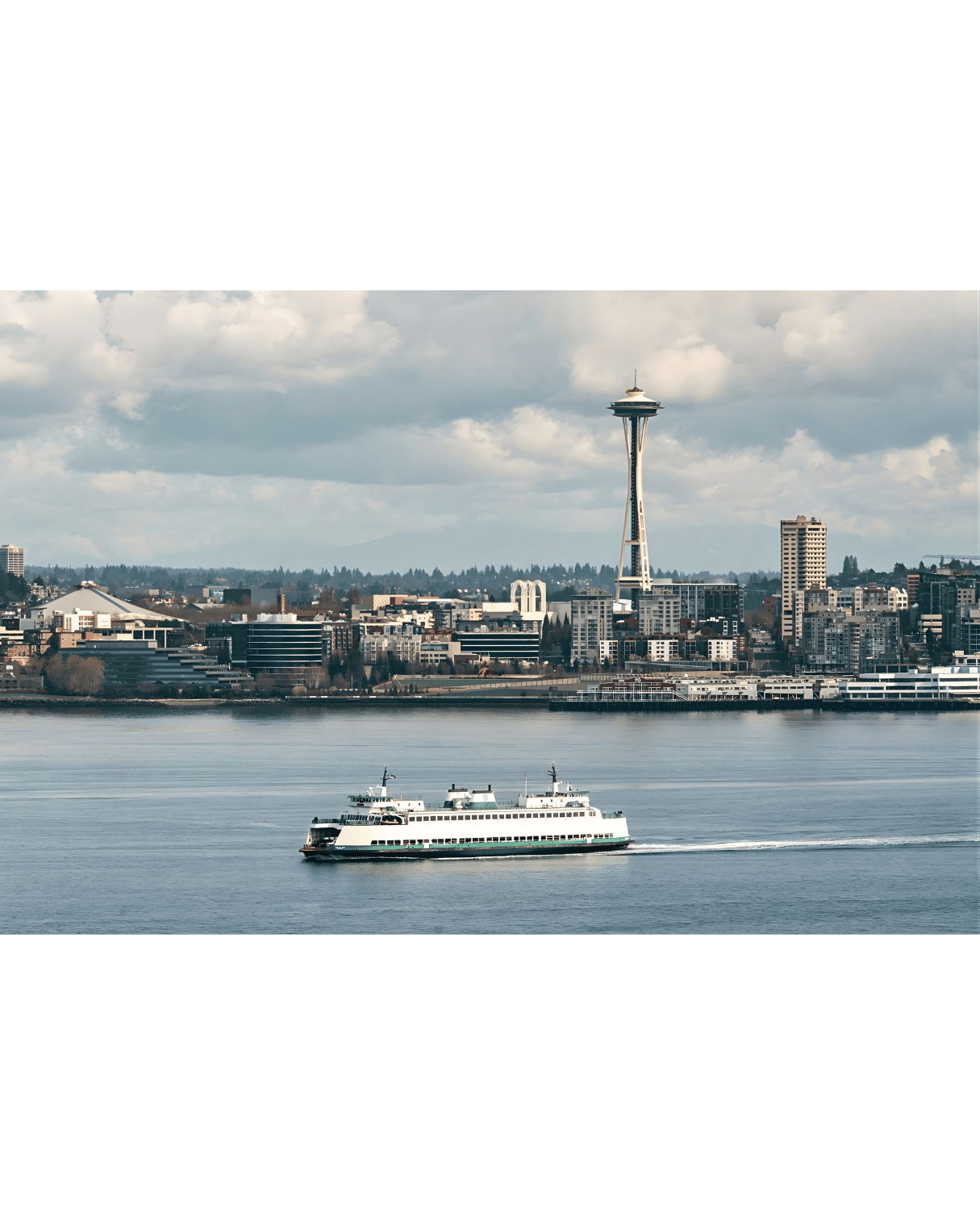
Can you live in Port Orchard and work in Seattle without your day revolving around traffic? If you’re weighing a move across the Sound, you’re not alone. You want space and value on the Kitsap side, but you also need a commute that fits your work and life. In this guide, you’ll see the real tradeoffs of driving, ferries, and bus connections so you can choose a route that makes sense for your schedule, budget, and lifestyle. Let’s dive in.
How the Port Orchard–Seattle commute works
Port Orchard sits on the Kitsap Peninsula across Puget Sound, so water crossings and the Tacoma Narrows Bridge shape your options. Most commuters pick between driving, using a mix of foot ferry and fast ferry, or combining bus, park‑and‑ride, and ferry links.
The big decision factors are simple:
- Time and predictability: Driving can be faster at off‑peak times. Ferries are more predictable but add terminal and transfer time.
- Cost and convenience: Vehicle tolls, fuel, and downtown parking versus passenger‑only fares and terminal parking.
- Lifestyle: Whether you prefer to drive or to read, work, or relax during a water commute.
Your main commute options
Drive via SR-16, Tacoma Narrows Bridge, and I-5
This is the straight shot by car. You’ll head east on SR-16, cross the Tacoma Narrows Bridge, then go north on I-5 into Seattle. You control your schedule and have your vehicle with you all day.
- Pros: Full flexibility, no ferry schedules, easy for irregular hours or multiple stops.
- Cons: Peak congestion can create wide swings in travel time. Tolls and downtown parking add expense.
- Best for: Early birds, off‑peak commuters, or anyone who needs a vehicle for work.
- What to verify: Current Tacoma Narrows Bridge toll information and your employer’s parking options in Seattle.
Port Orchard foot ferry to Bremerton + Kitsap Fast Ferry to Seattle
Here, you pair the short local foot ferry across Sinclair Inlet to downtown Bremerton with the passenger‑only fast ferry to downtown Seattle. Many commuters value the predictability and the ability to use ferry time to read or work.
- Pros: Less freeway stress, predictable sailings, productive time on board. You avoid the I-5 bottleneck.
- Cons: Multiple steps add complexity. Terminal parking can be limited at peak times. Passenger‑only means no car on the fast ferry.
- Best for: Downtown Seattle workers who want consistent timing and prefer a calm, comfortable commute.
- What to verify: Kitsap Transit schedules, fast ferry frequency, fares, park‑and‑ride options, and policies for bikes and ADA access.
Drive or bus to Southworth + Washington State Ferries to Fauntleroy (West Seattle)
Southworth connects by Washington State Ferries to Fauntleroy in West Seattle, often in a triangular pattern with Vashon. You can walk on or drive on. From Fauntleroy, you’ll continue by bus or car to your final destination in Seattle.
- Pros: Vehicle ferry lets you bring your car across. Convenient if your job is in West Seattle.
- Cons: If you’re heading to downtown, you’ll add a transfer or a surface street drive. Vehicle queues can build during peak times and holidays.
- Best for: West Seattle commuters or anyone who needs a car on the Seattle side but wants to avoid the bridge and I-5.
- What to verify: Washington State Ferries schedules, route patterns, fares, and any reservation or queue guidance. Also check Kitsap Transit service connecting to Southworth.
Bus + ferry combinations with park-and-ride
Kitsap Transit runs local and regional bus routes that feed ferry terminals and park‑and‑ride lots. Many commuters mix a short drive or bus ride with a fast ferry or WSF sailing.
- Pros: Lowers car use and downtown parking costs. May be compatible with regional fare programs through ORCA and employer benefits.
- Cons: More transfers mean more coordination and potential for small delays.
- Best for: Cost‑conscious commuters who prefer not to drive into Seattle.
- What to verify: Park‑and‑ride rules, bus frequency, and transfer windows that fit your work hours.
Compare options at a glance
Option | Predictability | Vehicle in Seattle | Cost tier | Best for |
|---|---|---|---|---|
Drive SR-16 + I-5 | Variable at peak | Yes | Medium to High | Off‑peak schedules, errands, job sites |
Foot ferry + Fast Ferry | High once onboard | No | Low to Medium | Downtown workers who value a calm, predictable ride |
Southworth + WSF to Fauntleroy | Medium to High | Yes | Medium to High | West Seattle access, bring a car |
Bus + Ferry combo | Medium to High | No | Low to Medium | Budget‑minded commuters, no downtown parking |
Cost tiers are general. Always check current ferry fares, tolls, and parking before you choose.
Time, cost, and reliability
Door‑to‑door time
Water routes often trade a bit more overall time for steady, predictable sailings. Driving can be efficient during off‑peak windows, but traffic on SR-16, the bridge approaches, and I-5 can swing your arrival by a wide margin. Your first and last mile matters too. How you get to the terminal, where you park, and how you finish the trip in Seattle all add time. If a ferry runs at set intervals, missing one can mean waiting for the next sailing.
Tip: Test your actual start and end times. Run a sample morning and evening on your likely routes. Note your buffer for parking, boarding, and transfers.
Cost considerations
When you compare cost, look at the full picture:
- Vehicle costs: Fuel, bridge tolls, maintenance, and downtown parking.
- Ferry costs: Passenger‑only fast ferry fares or WSF vehicle and walk‑on fares.
- Transit costs: Kitsap Transit local or regional bus fares to reach terminals.
- Employer benefits: Some employers offer ORCA cards, transit subsidies, or employer‑paid parking.
Fares and tolls change periodically. Check the current information with Kitsap Transit, Washington State Ferries, and WSDOT toll resources as you plan.
Reliability, weather, and seasonal shifts
Ferries generally run on set schedules and are reliable, but high winds, winter storms, staffing, or vessel maintenance can affect service. On the highway side, crashes, construction, and special events can add unpredictable delays on SR-16 and I-5. During peak seasons and holidays, plan for early arrival to terminals and park‑and‑ride lots, as parking can fill quickly.
Accessibility, bikes, and pets
Most Kitsap Transit and WSF vessels and terminals are ADA accessible, and crews are familiar with mobility needs. Boarding procedures can vary by vessel, so give yourself a little extra time the first week until the routine feels second nature.
Bikes are typically welcome on passenger ferries and fast ferries, but space can be limited during peak hours. Arrive early and check the operator’s current bike policies before you roll up.
Pets are allowed by many operators with standard rules like leashes and owner control. Service animals are always accommodated. If you plan to commute with a pet, review the operator’s specific policy.
Plan a test commute in three steps
- Identify your destination and hours. Are you headed to downtown Seattle, West Seattle, or elsewhere in the city? Clarify your regular start and end times, plus any late‑evening or early‑morning needs.
- Map real options door‑to‑door. Use your preferred maps app alongside schedules from Kitsap Transit and Washington State Ferries. Compare at least two routes that could work for your hours.
- Do two or three trial runs. Try one morning and one evening during your actual peak windows. Watch how long parking, boarding, and transfers take. Note your comfortable buffer so you can plan weekday mornings without stress.
Tips if you’re home shopping in Port Orchard
- Match the neighborhood to your route. If you love the fast ferry routine, look at access to the Port Orchard foot ferry and Bremerton terminal. If you want West Seattle access, consider convenience to Southworth.
- Balance time with quality of commute. A water commute can add a predictable daily ritual where you read, work, or decompress. Driving gives you privacy, phone call flexibility, and immediate car access in Seattle.
- Plan a hybrid week. Many professionals mix driving on flexible days with ferries on peak days. If your workplace allows it, this can optimize both time and budget.
- Check evening and late‑night needs. If you attend events or work late, look at last sailing times and late‑night bus frequency so you can get home reliably.
- Think through parking. If you’ll park at a terminal regularly, scout capacity and timing. If lots fill early, plan a bus or rideshare backup.
Make the move with a local strategist
Choosing a home and a commute is about fit. You deserve clear options, honest tradeoffs, and a plan that supports your daily rhythm. If you want help mapping routes, running test commutes, and lining up neighborhood tours around sailing times, you can lean on a relocation‑focused advisor who knows the Kitsap and South Sound corridors. Connect with Catt Johnson to compare neighborhoods, preview commute options, and set up a confident plan for your move.
FAQs
How long does it take to commute from Port Orchard to Seattle?
- Door‑to‑door time varies by route and time of day. Driving can be faster off‑peak but more variable at peak, while ferries offer predictable sailings with added time for parking and transfers.
What is the most affordable commute from Port Orchard?
- Passenger‑only ferries and bus combinations often cost less than driving and paying for downtown parking. Compare current fares, tolls, and any employer transit benefits.
Can I bring my car on the ferry to Seattle?
- Passenger‑only fast ferries do not carry vehicles. Washington State Ferries routes that serve vehicles, such as Southworth to Fauntleroy, allow you to drive on and off.
Is parking available at Bremerton or Southworth terminals?
- Many terminals and nearby park‑and‑ride lots offer parking, but capacity can be limited during peak hours. Arrive early or consider bus connections to avoid full lots.
Are ferries reliable in winter weather?
- Ferries are generally reliable, but severe weather, mechanical issues, or staffing can lead to delays or cancellations. Always check the operator’s alerts before you leave.
Can I take a bicycle on the fast ferry?
- Bikes are typically allowed, but space can be limited at peak times. Review the current bike policy for your ferry and arrive early if you plan to board with a bike.