Trying to choose between the polish of a golf-course community and the freedom of newer, builder-driven neighborhoods? You are not alone. Many buyers weigh lifestyle, rules, and long-term costs to find the best new-home value that actually fits how they live. In this guide, you will get a clear, side-by-side way to think about McCormick Woods and Bethel so you can prioritize what matters most, avoid surprises, and tour with a plan. Let’s dive in.
Quick snapshot: two paths to value
McCormick Woods typically represents a golf-community model with a homeowners association and an amenity backdrop that protects uniformity and curb appeal. Bethel refers to a cluster of newer subdivisions where builders deliver value and variety, often with lighter or no HOA controls.
Both paths can be smart. Your choice comes down to tradeoffs: predictability and amenities versus flexibility and potentially lower recurring fees.
Governance and CCRs: predictability vs flexibility
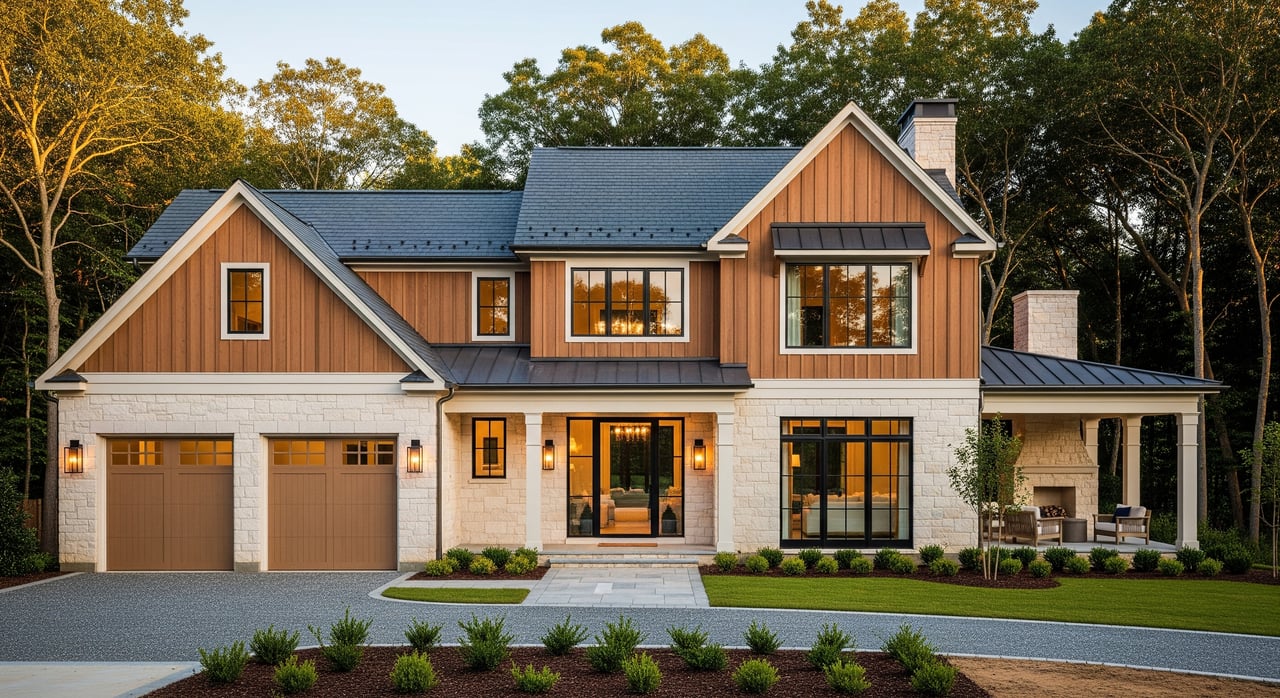
In a golf-community model like McCormick Woods, you usually see an HOA, recorded Covenants, Conditions and Restrictions (CCRs), and an Architectural Review Committee. These guardrails promote cohesion, which can support resale, but they also set limits on exterior paint, fencing, accessory buildings, parking, and rentals.
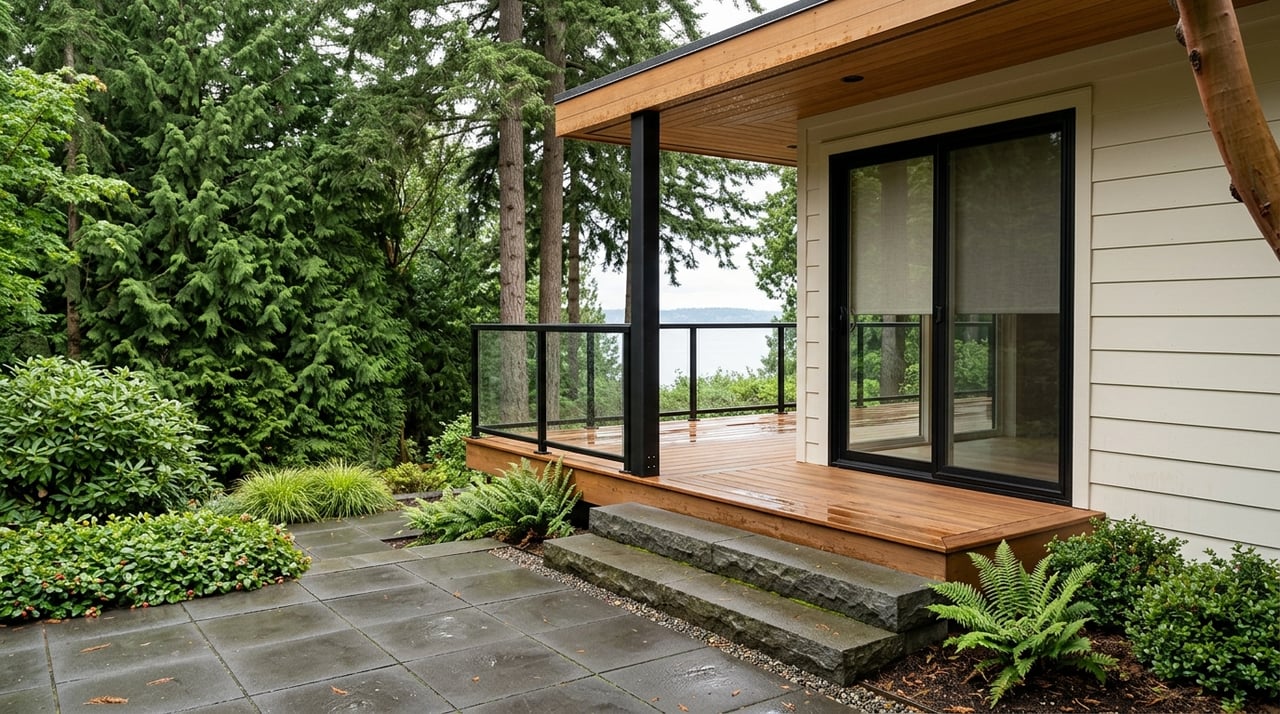
Newer Bethel-area plats may have lighter rules or varied HOA structures across subdivisions. The upside is more freedom to personalize. The tradeoff is less uniform streetscape from lot to lot.
Questions to ask before you fall in love with a home:
- Is HOA membership mandatory and what do the dues cover exactly?
- What does the ARC approve or deny most often, and how long does approval take?
- Are rentals allowed, and are there caps or minimum lease terms?
- Any recent or pending special assessments, and how healthy are reserves?
- Who owns and maintains common areas, including any course, trails, or private roads?
Lots and streetscape: what you will see
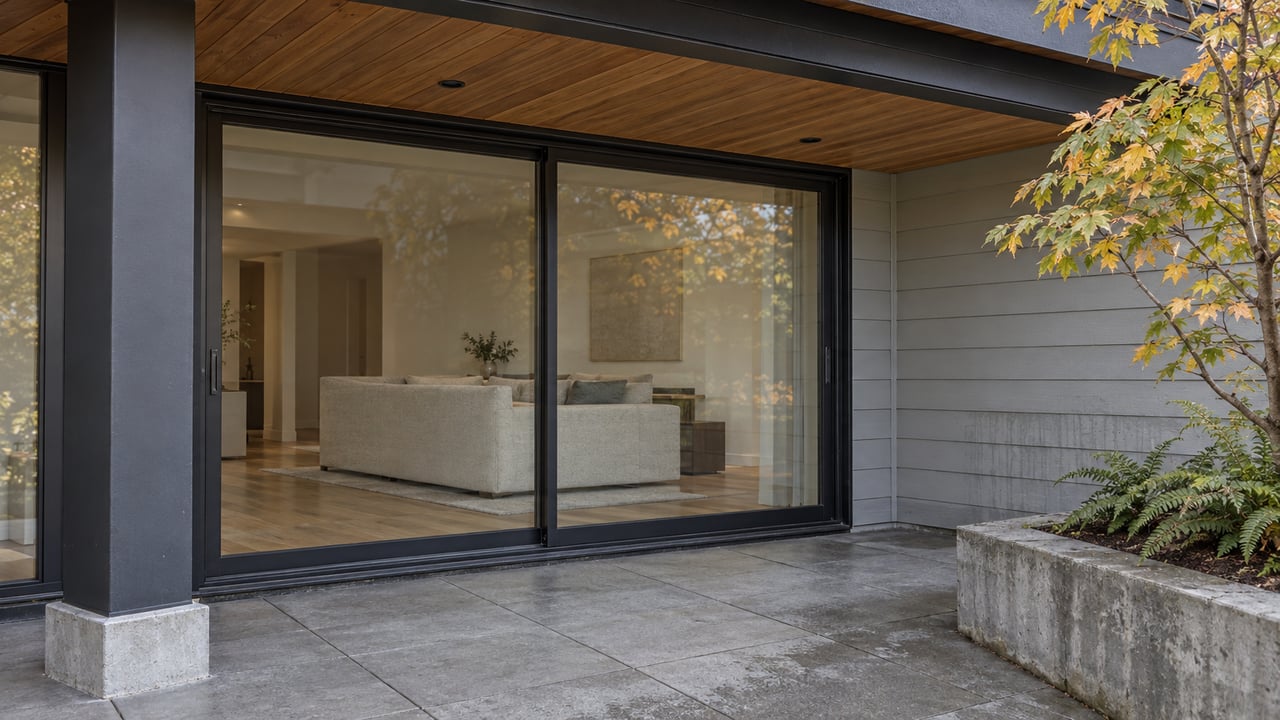
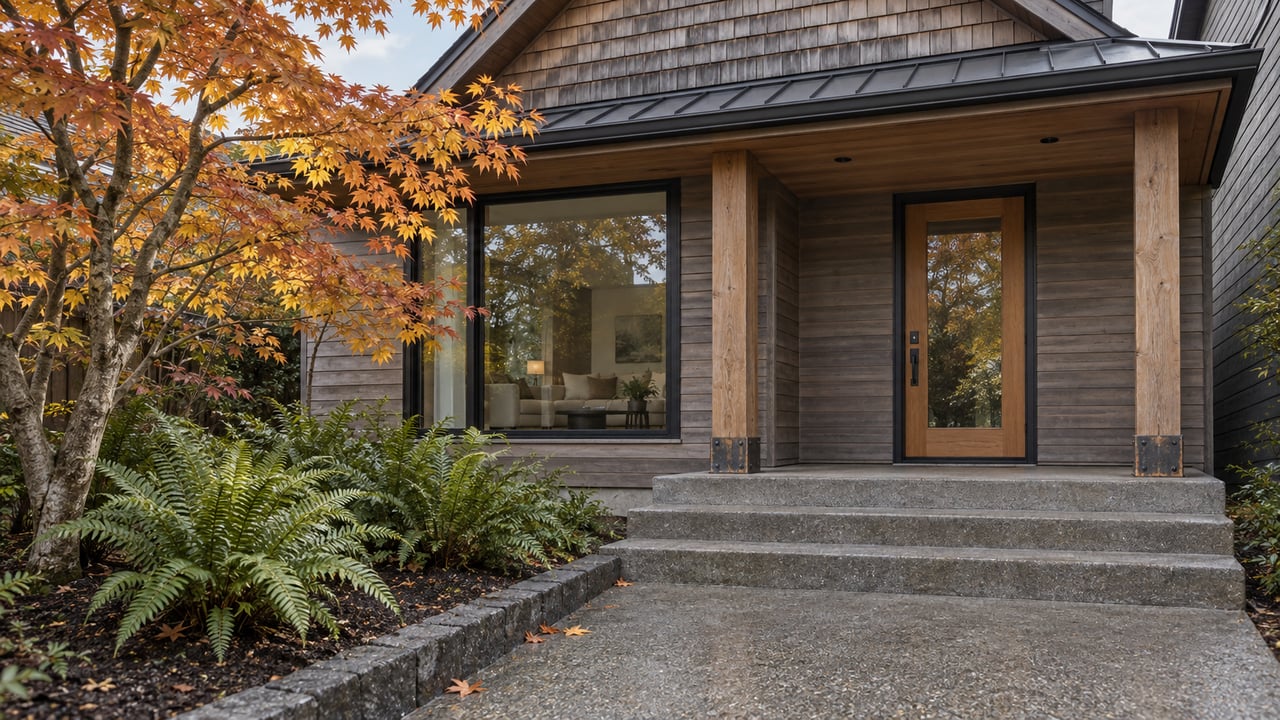
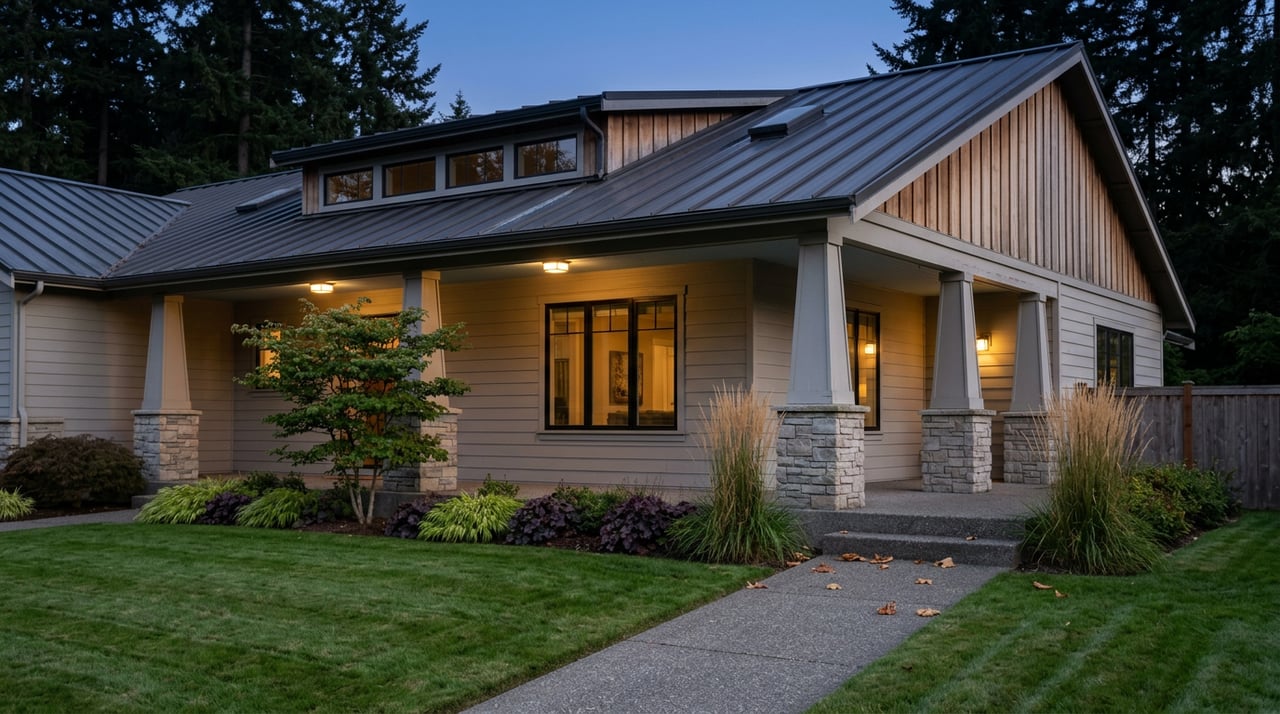
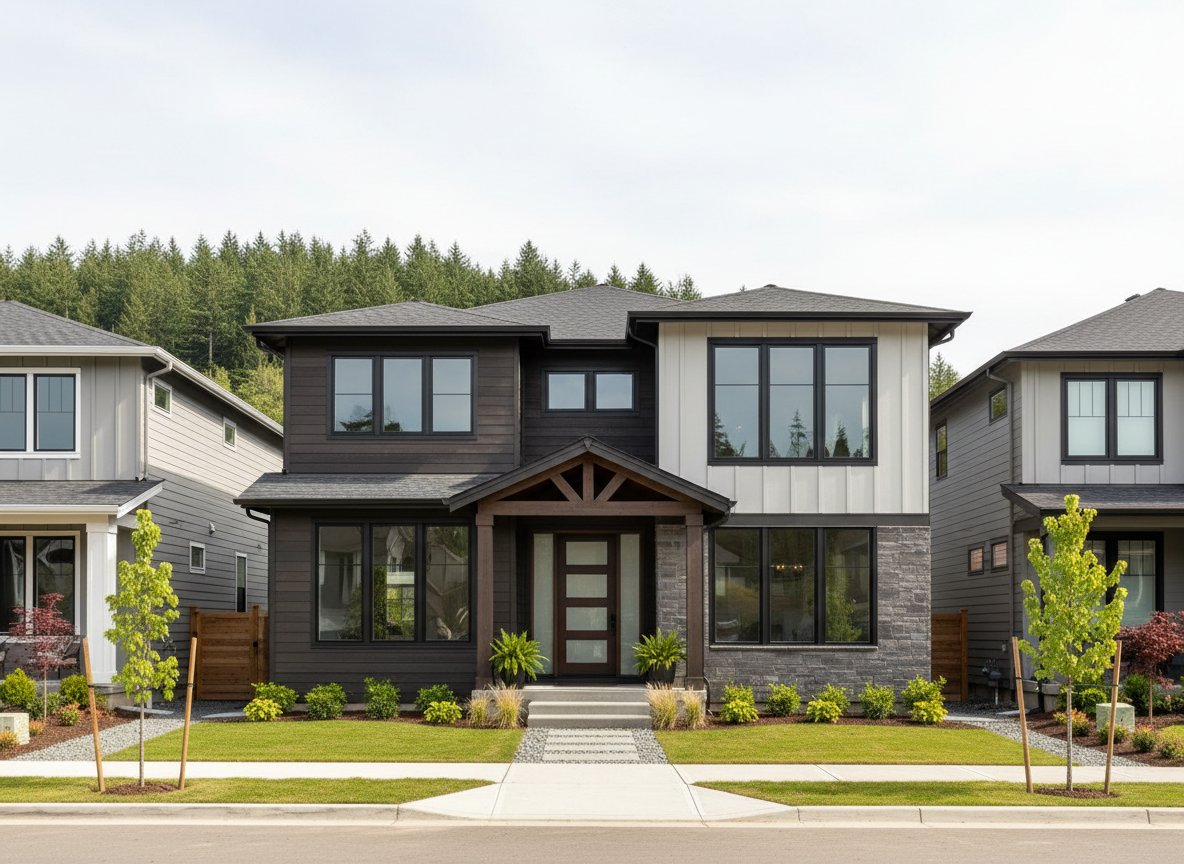
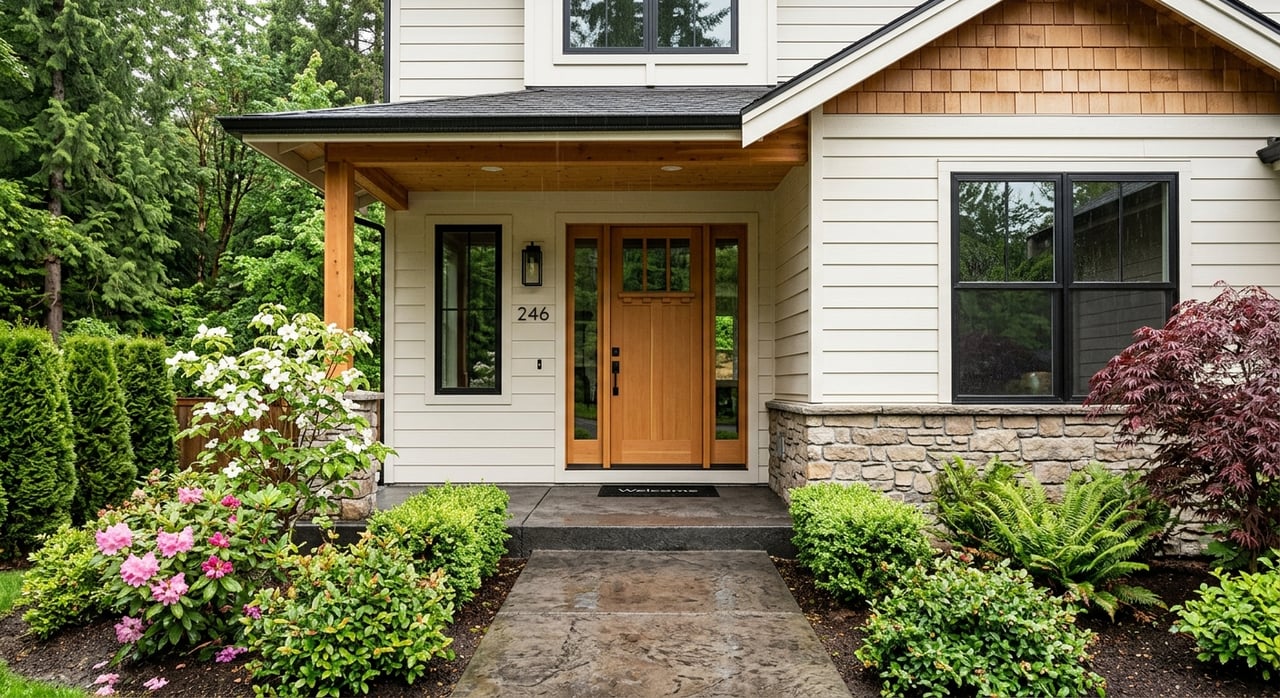
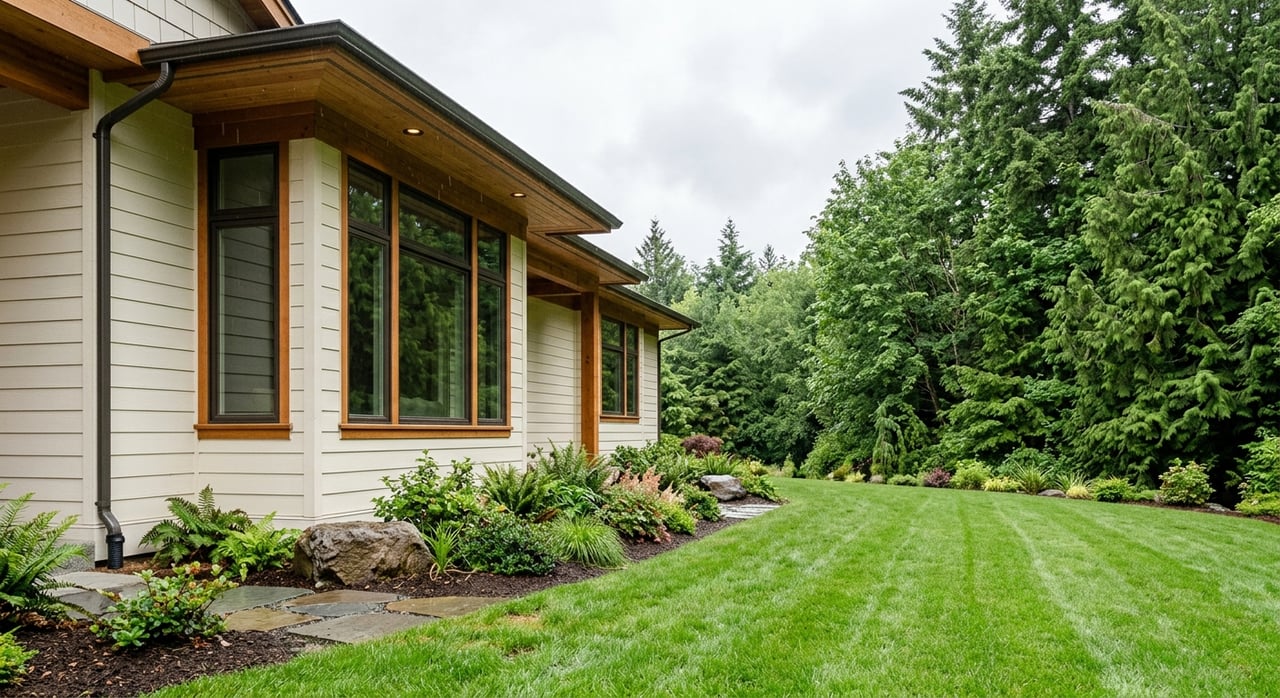
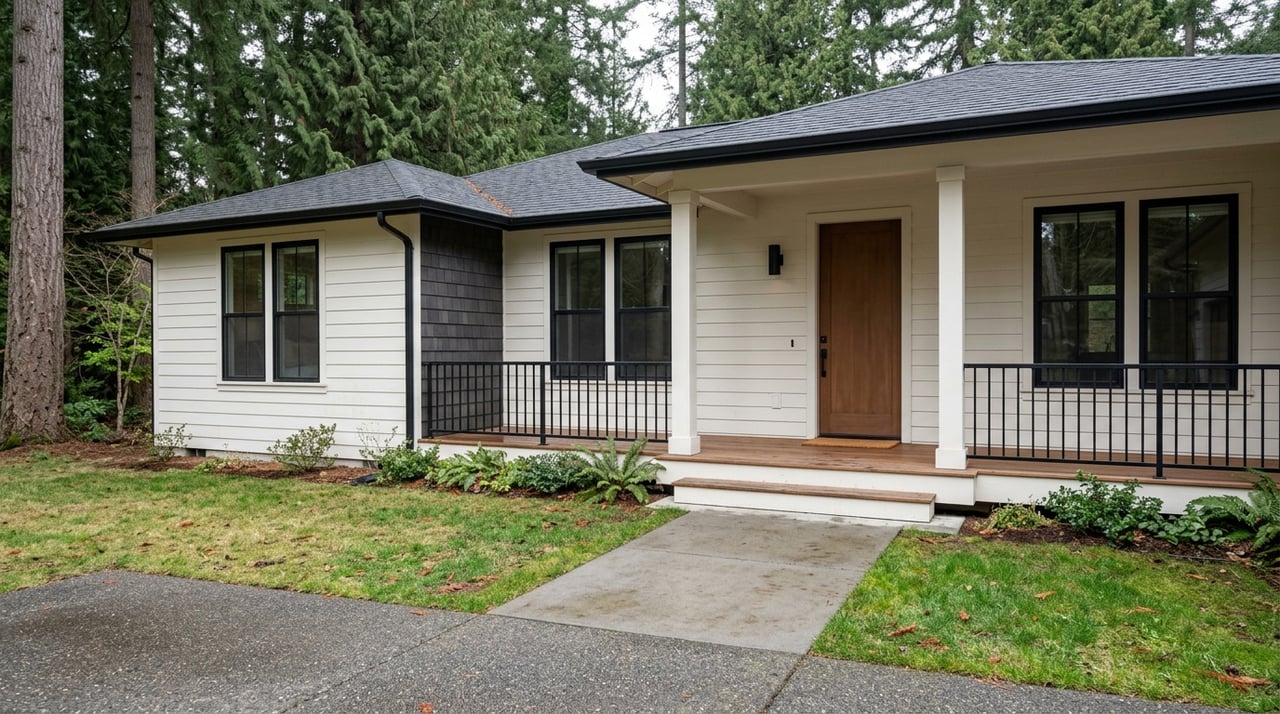
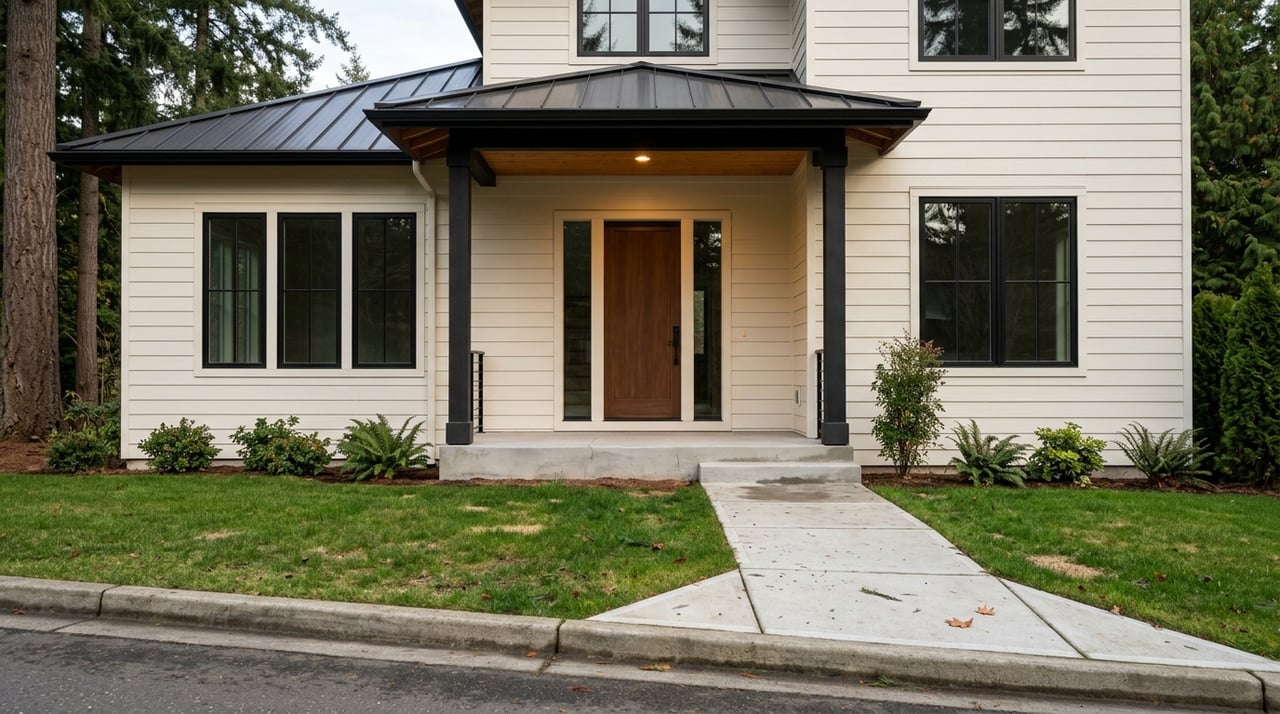
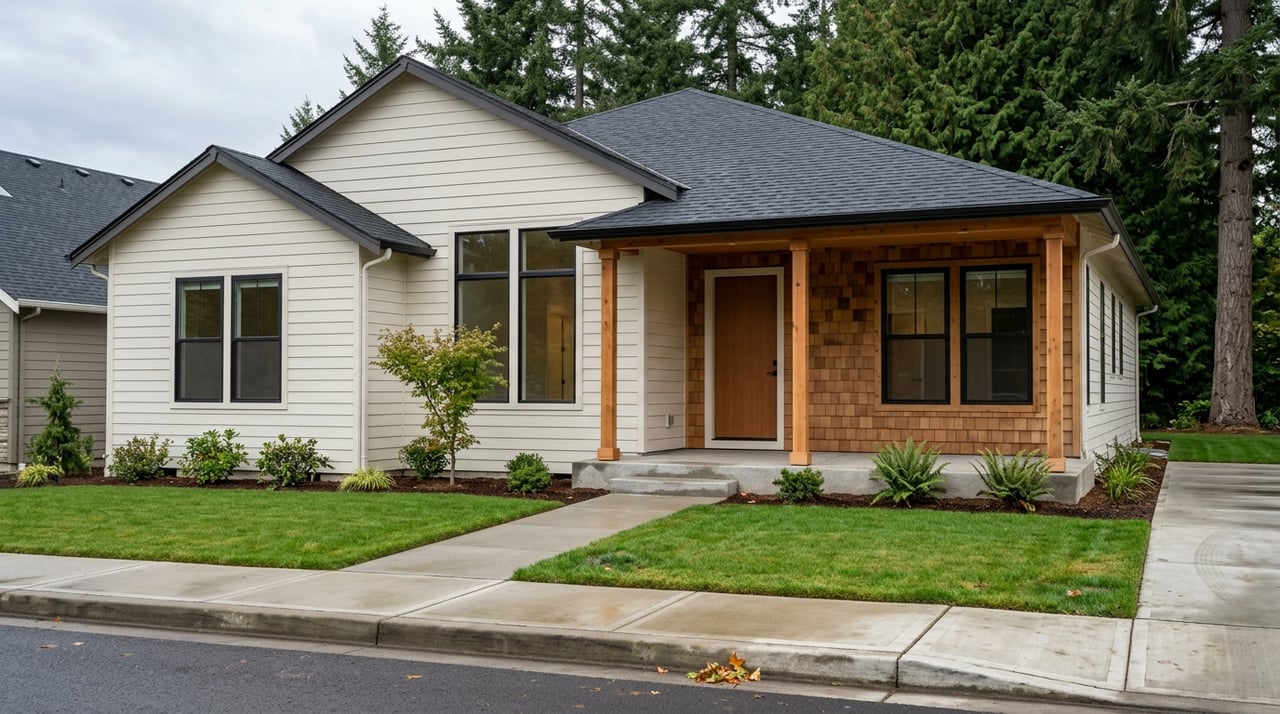
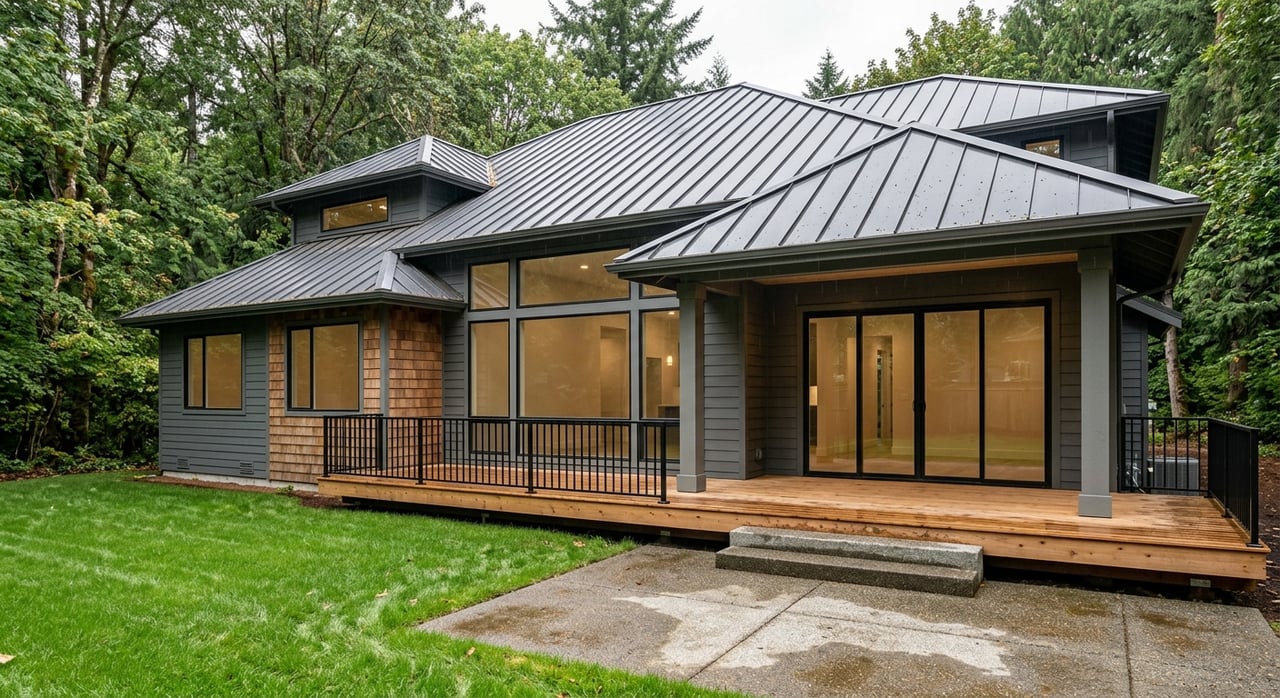
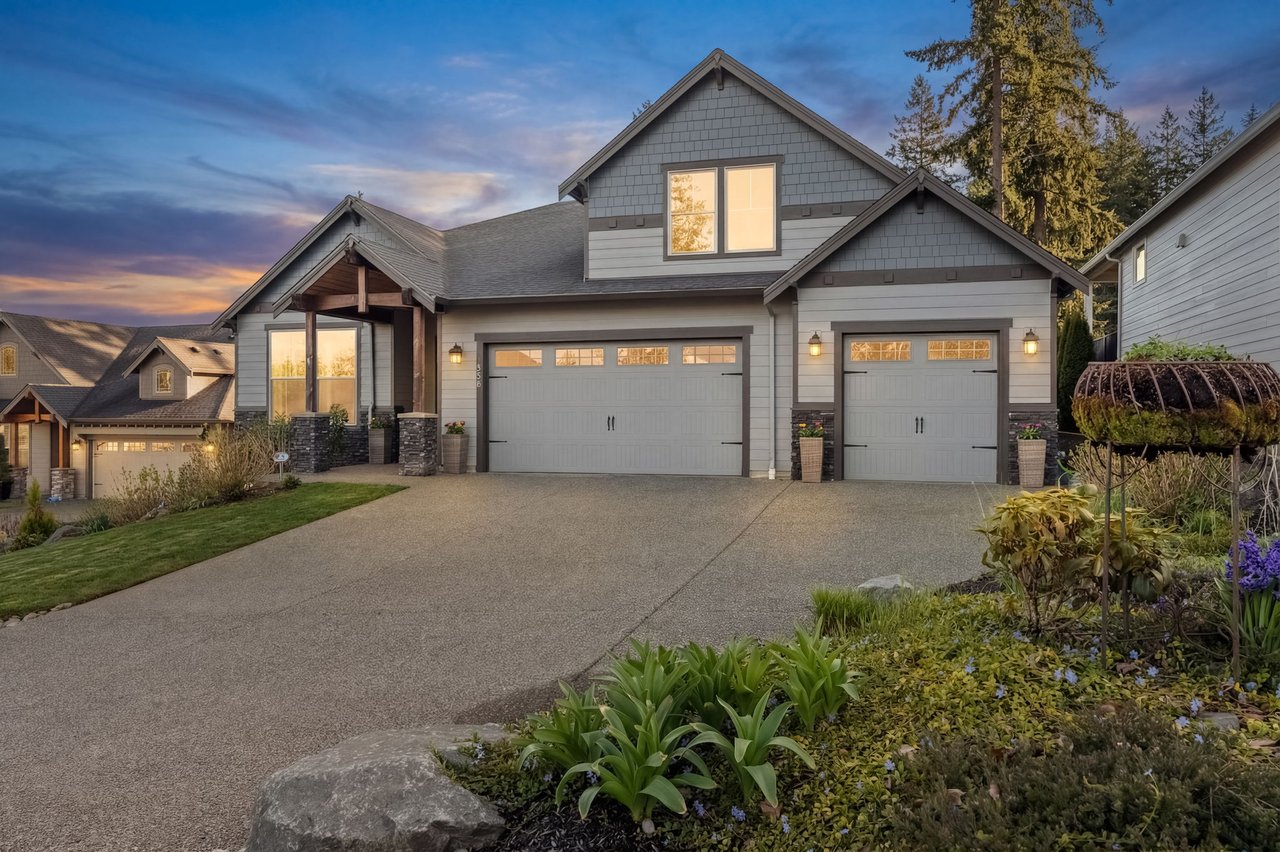
Lot size and setbacks vary by plat and phase, so compare apples to apples. In an amenity community, you will often see consistent setbacks, coordinated landscaping, and defined design standards. In newer builder neighborhoods, you may find a wider mix of elevations, garage orientations, and lot widths from street to street.
When you tour, notice:
- Lot width and usable backyard depth, not just total square footage.
- Setbacks, corner-lot visibility, and room for future additions.
- Garage-forward vs alley-loaded layouts and the effect on curb appeal.
- Sidewalks, street trees, mailbox clusters, and where utilities are placed.
- Space for outdoor living or potential upgrades like a shed or patio.
Utilities and maintenance: who handles what
The right home should work as well as it looks. Before you write an offer, confirm the basics so there are no surprises after closing.
Key items to verify at the address level:
- Water and sewer provider, or septic details if applicable.
- Electric and gas providers, and whether lines are underground.
- Broadband options and verified speeds for remote work needs.
- Stormwater systems, drainage easements, and maintenance responsibility.
- Street ownership status and who pays for snow removal and paving.
Commute and connectivity: real-world checks
Marketing maps can look simple. Daily life is not. Sample your commute during a weekday peak period, test alternative routes, and check access to shopping, recreation, and medical care.
Build a realistic picture by:
- Timing drives to primary work hubs during rush hour.
- Scouting traffic pinch points and construction zones.
- Checking bus, ferry, or park-and-ride options where relevant.
- Walking a block or two to feel sidewalk continuity and crossing safety.
Market and value: pricing, incentives, and long-term costs
New construction often carries a premium for energy efficiency, modern systems, and builder warranties. Builders may offer incentives like closing-cost credits, rate buydowns, or upgrade packages. In amenity communities, you may pay ongoing HOA fees that support grounds, entries, and common areas, which can help preserve neighborhood consistency. In neighborhoods with lighter governance, monthly costs may be lower, while maintenance is more owner-driven.
Budget not only for your mortgage, but also for:
- HOA dues and any transfer fees.
- Potential lot premiums for golf-front, cul-de-sac, or larger parcels.
- Long-term upkeep of private roads, irrigation, or course-adjacent landscaping.
- The value of builder warranties and what they cover by year.
Who each area serves best
There is no one-size-fits-all answer. Think about your lifestyle, timeline, and appetite for projects.
McCormick Woods may fit you if:
- You want an amenity backdrop and cohesive streetscape.
- You value rules that keep homes visually consistent.
- You are comfortable with an ARC process and ongoing HOA dues.
Bethel may fit you if:
- You want maximum new-construction value and potential builder incentives.
- You prefer flexibility for exterior changes over time.
- You are open to a varied streetscape and case-by-case HOA standards.
How to tour both in one afternoon
Use a structured route so your impressions stay clear and comparable.
- Start at each community entrance to gauge signage and the transition from main roads.
- Visit any model homes early to understand base finishes, options, and lot premiums.
- Drive several representative streets that show the smallest, average, and larger lots.
- Park and walk near greenbelts, golf frontage, or open spaces to observe upkeep and noise.
- Sample the drive to a key retail node, then to a major employment area during peak time.
- End at a lived-in resale nearby to see how homes age and what maintenance looks like.
Buyer checklist: verify before you write
Governance and documents:
- Request the full HOA packet, CCRs, bylaws, budget, reserve study, and minutes.
- Confirm rules on rentals, pets, paint colors, fencing, and accessory structures.
- Ask about assessments and any past or current HOA litigation.
Property and lot:
- Confirm lot lines, easements, slope, and backyard usability.
- Check sun exposure, tree coverage, and drainage.
- Review any existing survey and fence placement.
Infrastructure and utilities:
- Verify water/sewer provider or septic system details.
- Confirm electric/gas service and whether lines are underground.
- Test broadband availability and speeds at the address.
- Determine street ownership and maintenance responsibilities.
Home and builder:
- Review builder warranties by component and term.
- Clarify upgrade pricing, structural cutoffs, and build timeline.
- Ask about lot premiums and how they are determined.
Financial and resale:
- Review HOA fee history and planned increases.
- Understand property tax rates and any special district fees.
- Compare recent sales and days on market across both areas.
Make your decision with clarity
Choosing between McCormick Woods and Bethel is about aligning your lifestyle and budget with how each neighborhood operates day to day. If you want cohesion and amenities with clear design standards, you will likely favor the golf-community experience. If you want builder value, flexible exterior options, and potential incentives, the newer Bethel plats may be a better fit.
If you would like a guided comparison with on-the-ground touring, document reviews, and negotiation strategy, connect with Catt Johnson to Book a Call.
FAQs
How do HOA rules differ between McCormick Woods and Bethel?
- Golf-community HOAs often include stricter CCRs and an ARC for exterior changes, while newer Bethel plats may have lighter or varied rules depending on the subdivision.
What costs should I expect beyond the mortgage?
- Budget for HOA dues, possible transfer fees, lot premiums, and routine maintenance; also confirm utilities, private road costs, and any special assessments.
Are rentals allowed in these neighborhoods?
- It depends on recorded CCRs; verify rental rules, caps, and minimum lease terms in the HOA documents before you proceed.
What should I look for in a builder warranty?
- Check coverage by year for structure, mechanicals, and workmanship; confirm claim procedures, response timelines, and what is excluded.
How can I confirm utilities and broadband before buying?
- Contact the utility providers that serve the address and verify speeds with the internet provider; also confirm sewer vs septic and any stormwater easements.
What should I know about living near a golf course?
- Expect early-morning maintenance noise on some days, occasional errant balls, and irrigation activity; also review who owns and maintains the course and common areas.