Thinking about buying a classic home in Proctor? You are not alone. Many buyers love this part of Tacoma for its historic feel, walkable setting, and homes with real architectural personality, but older houses also come with questions about updates, condition, and long-term maintenance. If you want the charm without costly surprises, it helps to know what to look for before you write an offer. Let’s dive in.
Why Proctor homes stand out
Proctor is best understood as a neighborhood with historic character, not a place defined by one single home style. According to Tacoma’s Proctor Neighborhood Plan, the district includes a mix of residential, commercial, and institutional properties dating roughly from 1905 to 1964, with many inventoried buildings built between 1900 and 1930.
That matters when you shop here. In practical terms, you are likely to see homes with original details, later renovations, and plenty of in-between updates that reflect decades of ownership.
The city’s recent plan also highlights values that shape the neighborhood today, including pedestrian safety, human-scale design, outdoor community space, sustainability, and preservation of the urban tree canopy. For buyers, that reinforces why Proctor feels distinct and why design choices on a home can matter beyond the property line.
What classic architecture looks like here
Two of the styles documented in Proctor are Craftsman and Tudor Revival. You may also see homes that borrow from these styles without fitting perfectly into one category, especially after years of remodeling.
Craftsman features to notice
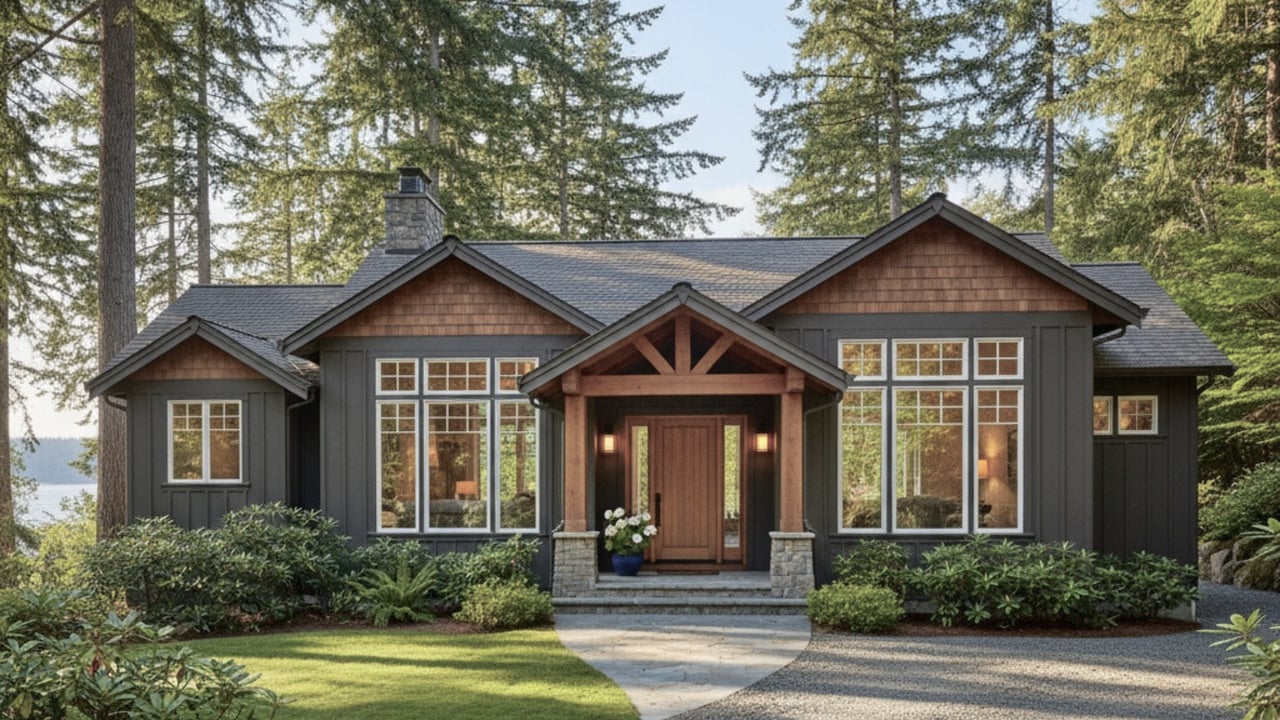
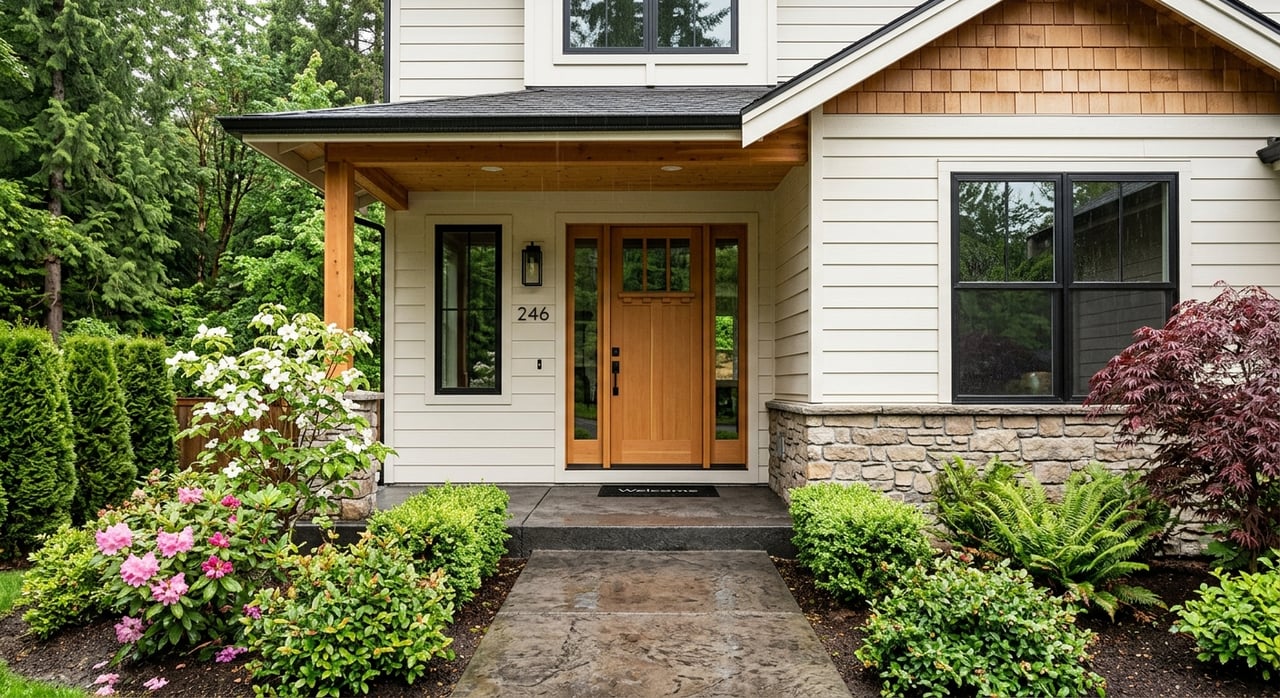
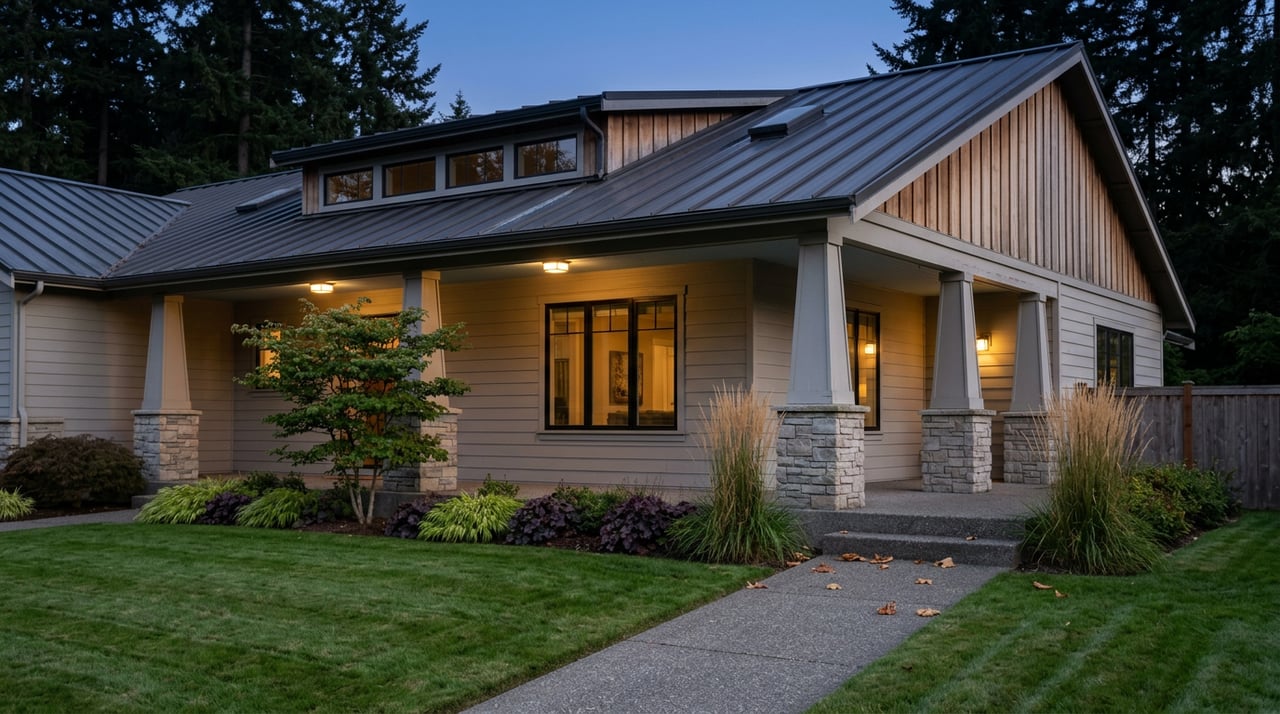
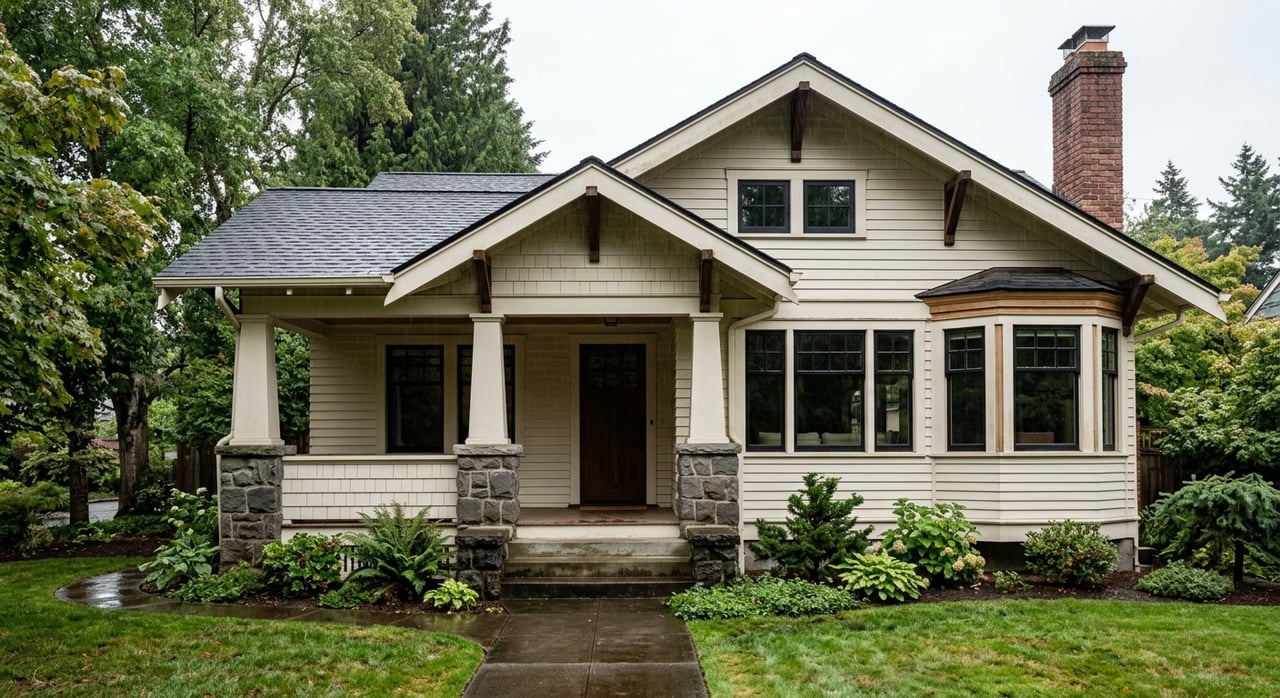
Tacoma’s historic-preservation style guide describes local Craftsman homes as low-pitched, deep-eaved, wood-forward houses with exposed structural supports and built-ins. Inside, buyers often appreciate the practical layout and original millwork that can give the home a warm, grounded feel.
When you tour a Craftsman in Proctor, pay attention to how much of that original character is still visible. Trim, porch details, built-ins, and window patterns can all help tell you whether a remodel worked with the house or against it.
Tudor Revival features to notice
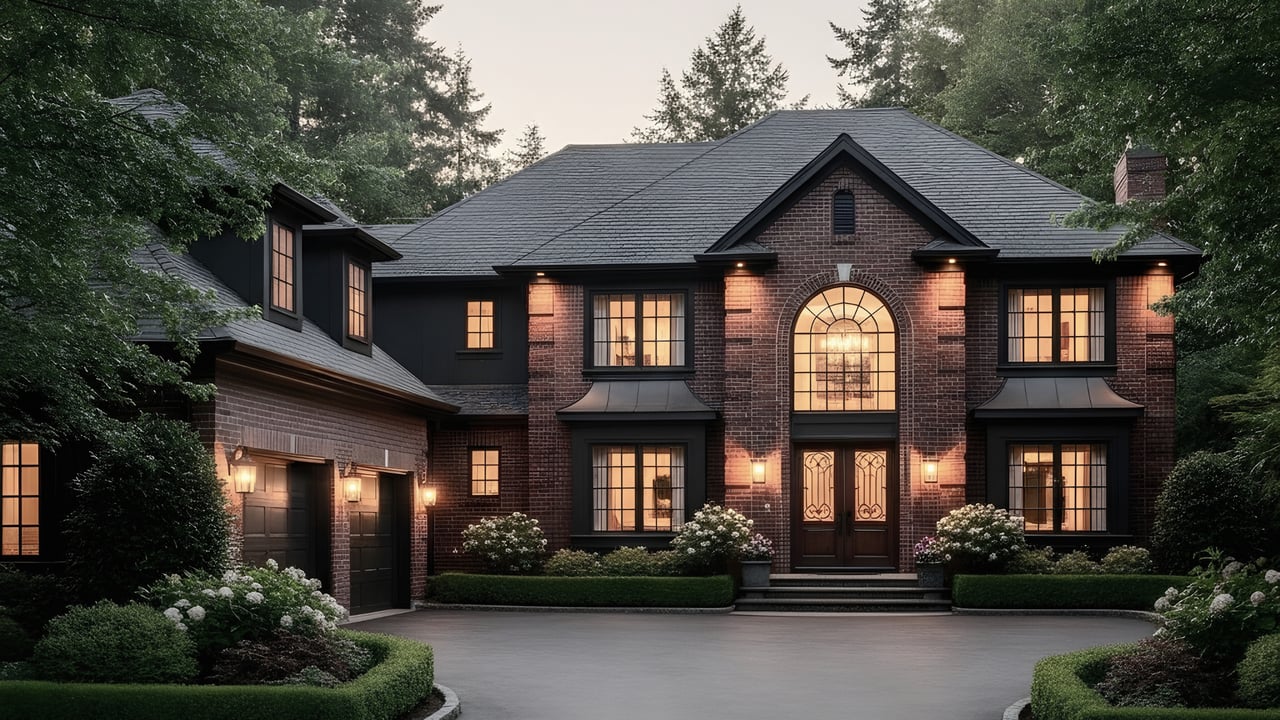
Tacoma describes Tudor Revival homes as having steep roofs, front and side gables, decorative half-timbering, tall narrow windows, and prominent chimneys. These houses often have a stronger exterior identity, so changes to rooflines, windows, or masonry can have a big effect on how the home reads from the street.
If you love Tudor style, look closely at proportions and materials. A remodel may still be functional and attractive, but the best updates usually respect the features that make the home recognizable.
Expect character mixed with updates
One of the most useful things to know about Proctor homes is that many are not untouched originals. Tacoma’s survey found that nearly all inventoried properties showed visible alterations, and window replacement was one of the most common changes.
That means your search should not be about finding perfection. It should be about deciding which updates improved livability, which ones preserved the home’s character, and which changes may deserve a closer look during inspection.
Updates that usually work well
In an older Proctor home, the best updates often improve comfort while keeping the original design legible. Tacoma’s design-review standards emphasize retaining historic character, repairing distinctive features when possible, and making replacement choices that closely match the original when replacement cannot be avoided.
A good rule of thumb is simple: preserve what defines the house, then modernize quietly. That often leads to updates that age better and support resale value.
Smart improvements buyers often appreciate
These design moves tend to align well with Tacoma’s preservation approach:
- Repairing porches instead of replacing them outright
- Preserving original trim, masonry, and roof details where possible
- Keeping the exterior silhouette intact
- Matching replacement materials closely in design, color, and texture
- Tucking newer systems into less visible areas
- Choosing changes that could be reversed later
These are not just design preferences. They are practical signals that an owner likely understood the house and made updates with care.
Changes that deserve extra caution
Some remodels can make an older home less coherent or create future repair issues. Tacoma’s standards and preservation guidance place extra importance on roof form, chimney massing, porch structure, window proportions, and original exterior materials.
If a listing highlights a major exterior transformation, slow down and look closely. A home can still be appealing, but the further a remodel moves away from the original form and details, the more questions you should ask.
Red flags to ask about
Use extra caution if you notice changes to:
- Roof shape or visible roof features
- Original chimneys or chimney scale
- Porch columns, railings, or structure
- Window size, pattern, or proportions
- Original siding, masonry, or exterior materials
Preservation guidance also notes that roofs, windows, porches, and entrances are central to a building’s visual character. In plain terms, these are not small cosmetic details. They are part of what makes the home feel like itself.
Due diligence matters more in older homes
With classic homes, design and condition are closely connected. The same features that give a property charm can also be expensive to repair if they have been neglected.
A strong inspection should focus first on the building elements that drive both character and long-term performance. Moisture is especially important. Preservation guidance identifies uncontrolled moisture as the most common cause of deterioration in older and historic buildings.
Inspection priorities for a Proctor classic home
If you are buying an older home in Proctor, make sure your inspection process gives special attention to:
- Drainage and site runoff
- Signs of rot or water intrusion
- Roof condition and roof features
- Windows and door openings
- Porches and stairs
- Exterior materials and visible deterioration
These items matter because they affect both daily livability and the long-term integrity of the house.
Do not overlook lead and asbestos
Older homes can contain materials that need careful handling during repairs or renovations. If the home was built before 1978, lead-based paint is a real possibility. EPA guidance says the older the home, the more likely it contains lead-based paint.
Washington DOH also warns that sanding, pressure washing, or unsafe removal can create hazardous lead dust. If a home appears to have original painted surfaces, a lead inspection or risk assessment can be a smart step before you plan updates.
Asbestos can also show up in older materials like pipe insulation and tape. Washington DOH advises that if asbestos-containing material is more than slightly damaged, or if you are planning work that could disturb it, professional repair or removal should be considered instead of DIY disturbance.
Check the site, not just the house
In Tacoma, due diligence should extend beyond the structure itself. Buyers should verify whether a property lies within the Tacoma Smelter Plume and whether the soil has already been sampled.
Washington Ecology provides real-estate guidance for this issue and explains how buyers can confirm plume status or request soil sampling when no prior data is available. This is an easy step to miss, but it can be an important part of evaluating an older Tacoma property.
Site conditions can also affect future repair plans. For example, if a property has mature trees or aging sidewalks, Tacoma requires a permit and a Washington State licensed and bonded contractor for sidewalk reconstruction in the right-of-way.
Verify historic status before planning changes
Not every older home in Proctor is subject to the same rules. That is why it is important to verify actual historic status rather than assuming the neighborhood name alone triggers review.
Tacoma’s Permit Center handles remodels, additions, and sewer or storm work through Tacoma Permits. For designated historic properties, exterior work visible from public rights-of-way generally requires design review, and timing can vary from roughly two to four weeks for simpler projects to several meetings for more complex ones.
There is another point buyers often misunderstand. Tacoma’s Community Heritage Register, created in 2025, is commemorative only and does not place restrictions on properties.
Questions to ask early
Before you buy, ask:
- Is the property a designated city landmark?
- Is it inside a locally designated historic district?
- Will your planned exterior changes be visible from the public right-of-way?
- Will your timeline depend on design review or permits?
Getting clarity early can save you time, money, and frustration later.
How to compete for the right Proctor home
Well-preserved classic homes often attract strong attention because they offer something hard to replicate: location, character, and thoughtful updates in one package. If that is what you want, preparation matters.
A preapproval letter helps you shop with a clear budget and can strengthen your position when you are ready to act. In a multiple-offer situation, it also helps to know in advance which contingencies are essential for you and how much repair risk you are comfortable accepting on an older house.
Your pre-offer checklist
Before you compete for a Proctor classic home, try to have these decisions made:
- Your preapproval is complete
- Your budget includes room for maintenance or repairs
- You know which inspection items are non-negotiable
- You have discussed repair-risk tolerance
- You understand your preferred closing timeline
- You have reviewed any likely permit or design-review questions
That kind of preparation gives you a better chance to move quickly without feeling rushed.
The bottom line on buying in Proctor
Buying a classic home in Proctor can be incredibly rewarding if you love architecture, neighborhood character, and homes that feel unique. The key is to look beyond surface-level charm and evaluate how the house has been maintained, updated, and positioned for future work.
If you approach the process with a design-aware eye and strong due diligence, you can make a much more confident decision. And if you want a local guide who can help you weigh character, condition, and practical next steps, Catt Johnson brings an education-first approach to buying across the South Puget Sound.
FAQs
What styles of classic homes are common in Proctor?
- Tacoma’s survey and style guidance point to Craftsman and Tudor Revival as two of the notable styles buyers may see in Proctor, especially among homes built in the early 1900s.
What updates help preserve a Proctor home’s character?
- Repairs to porches, trim, masonry, windows, and roof details, plus closely matched replacement materials and reversible changes, generally align with Tacoma’s preservation standards.
What should buyers inspect first in an older Proctor home?
- Start with moisture-related issues, drainage, roof features, windows, porches, exterior materials, and any signs of rot or water intrusion.
What environmental checks matter when buying a Tacoma home in Proctor?
- Buyers should verify whether the parcel is in the Tacoma Smelter Plume and whether soil sampling has already been completed through Washington Ecology.
What permit questions matter for a historic home in Proctor?
- Buyers should confirm whether the property is actually designated as a landmark or located in a locally designated historic district, because that can affect whether exterior work visible from public rights-of-way needs design review.