Thinking about leaving Seattle for more space, a quieter pace, and water views sounds simple until you start weighing the trade-offs. You may be wondering whether Gig Harbor is actually a better fit for your day-to-day life, or if it only looks appealing from a distance. The good news is that the answer gets clearer when you compare lifestyle, commute, and housing side by side. Let’s dive in.
Gig Harbor Feels Different From Seattle
If you move from Seattle to Gig Harbor, you are not just changing addresses. You are choosing a very different scale of living.
Gig Harbor has 12,630 residents, compared with Seattle’s 784,777. It is also much less dense, with 2,038.1 people per square mile versus 8,791.8 in Seattle. In practical terms, that often means a more residential feel, less urban intensity, and a slower daily rhythm.
The local demographics also tell an important story. Gig Harbor has a larger share of residents age 65 and older, at 30.6%, and 21.6% of residents are under 18. Seattle is younger overall, with 13.0% age 65 and older and 13.8% under 18.
That difference can shape how a place feels. Gig Harbor tends to read as more settled and homeowner-oriented, while Seattle offers a denser, more fast-moving urban environment.
Housing in Gig Harbor Means More Detached Homes
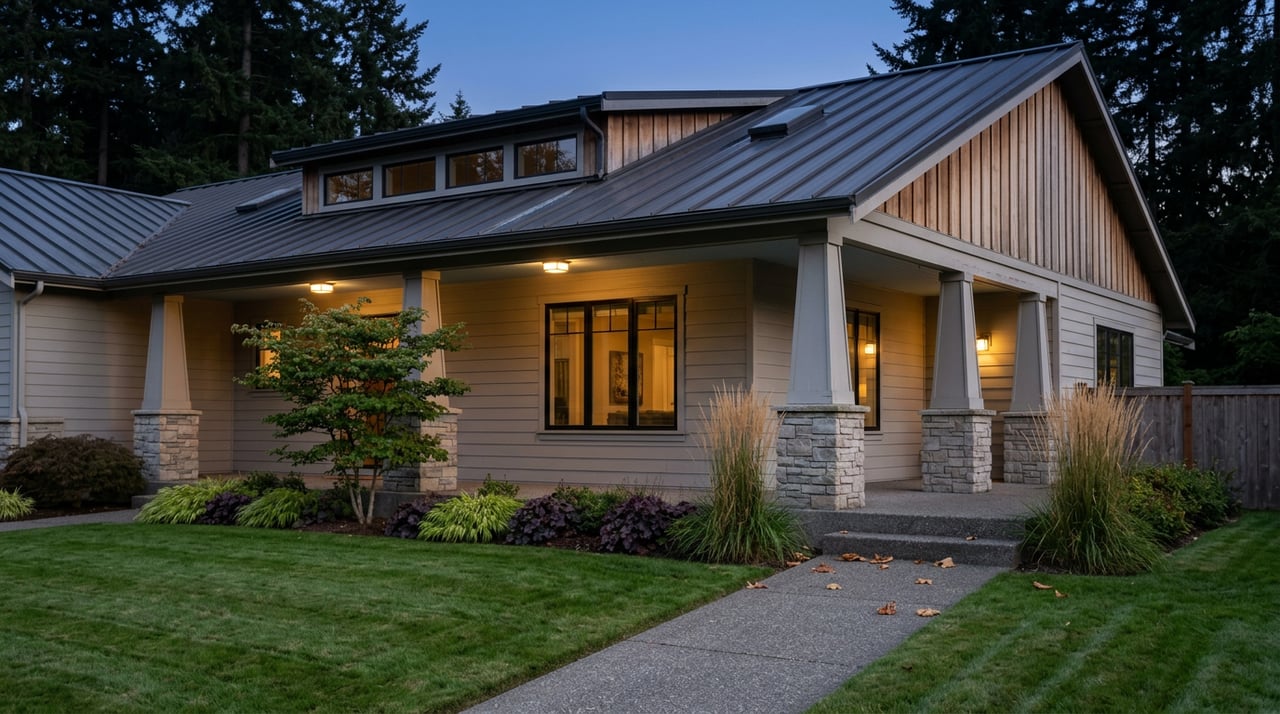
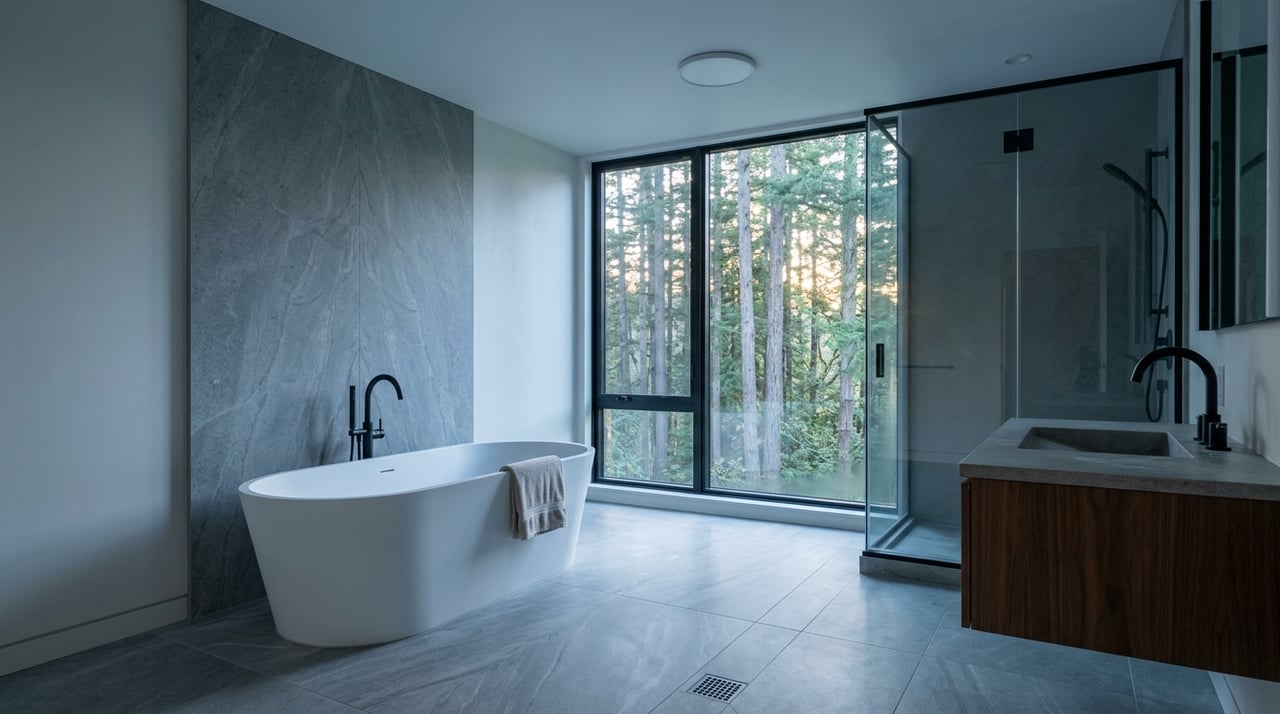
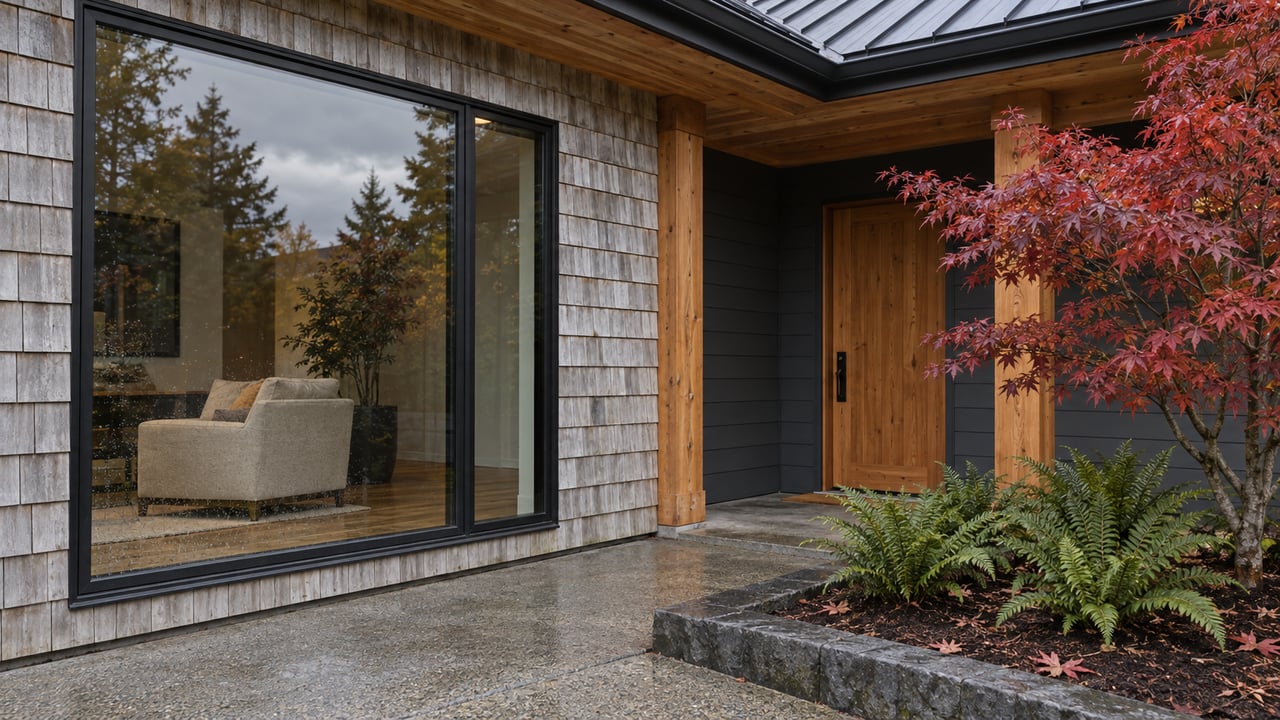
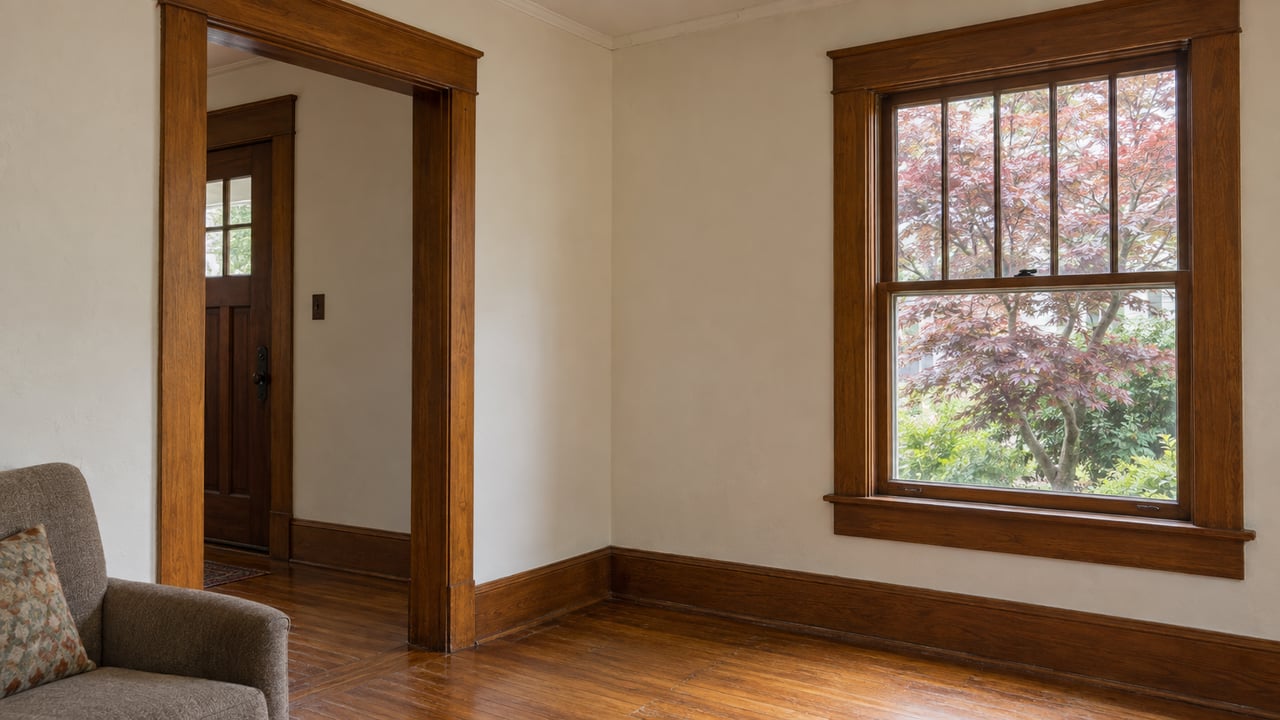
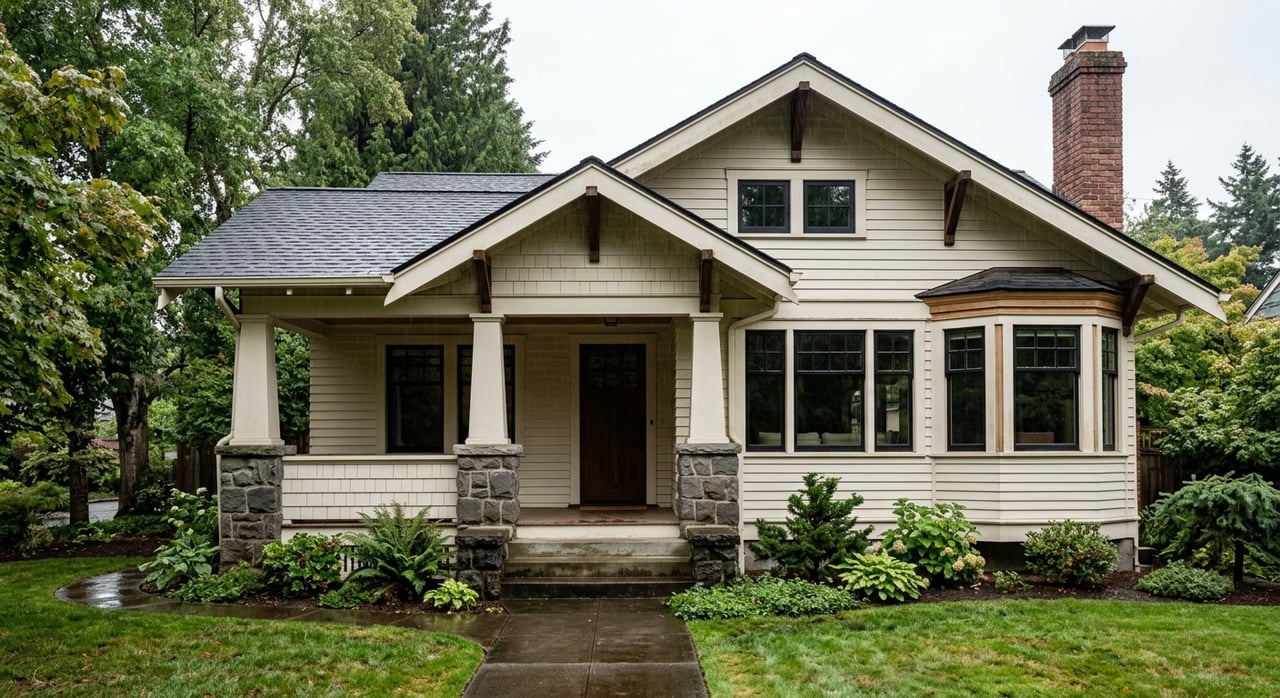
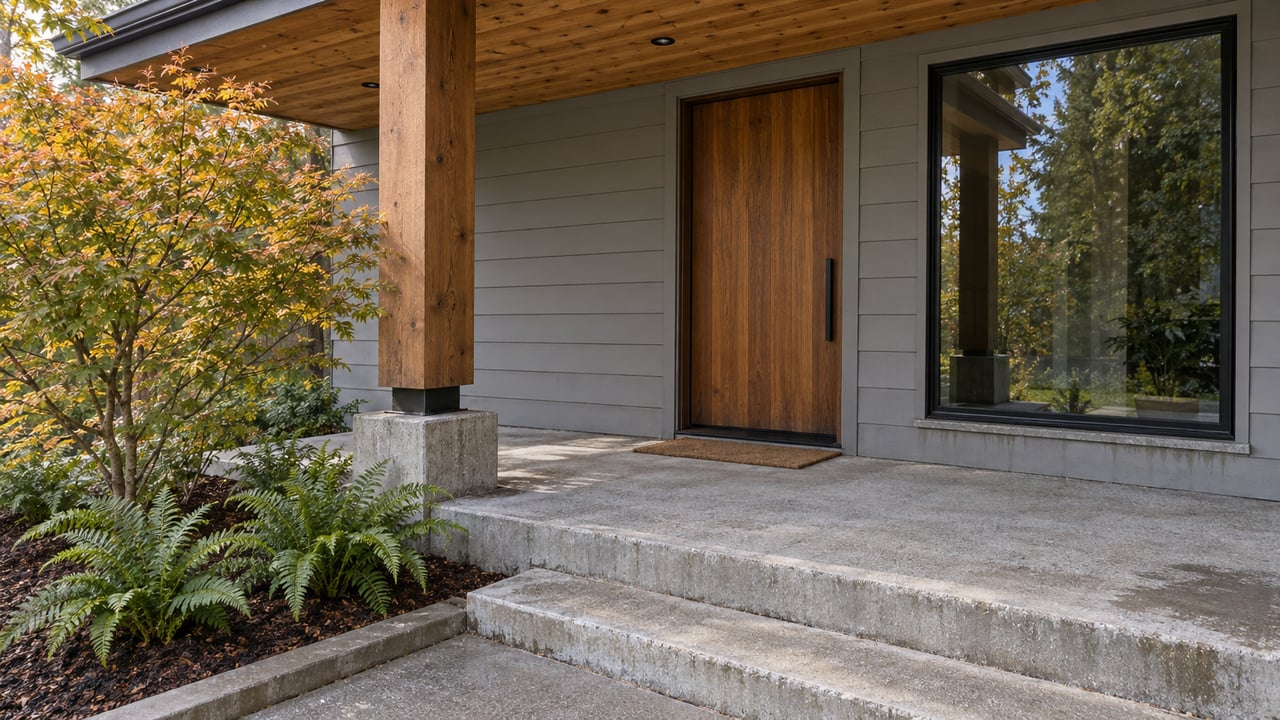
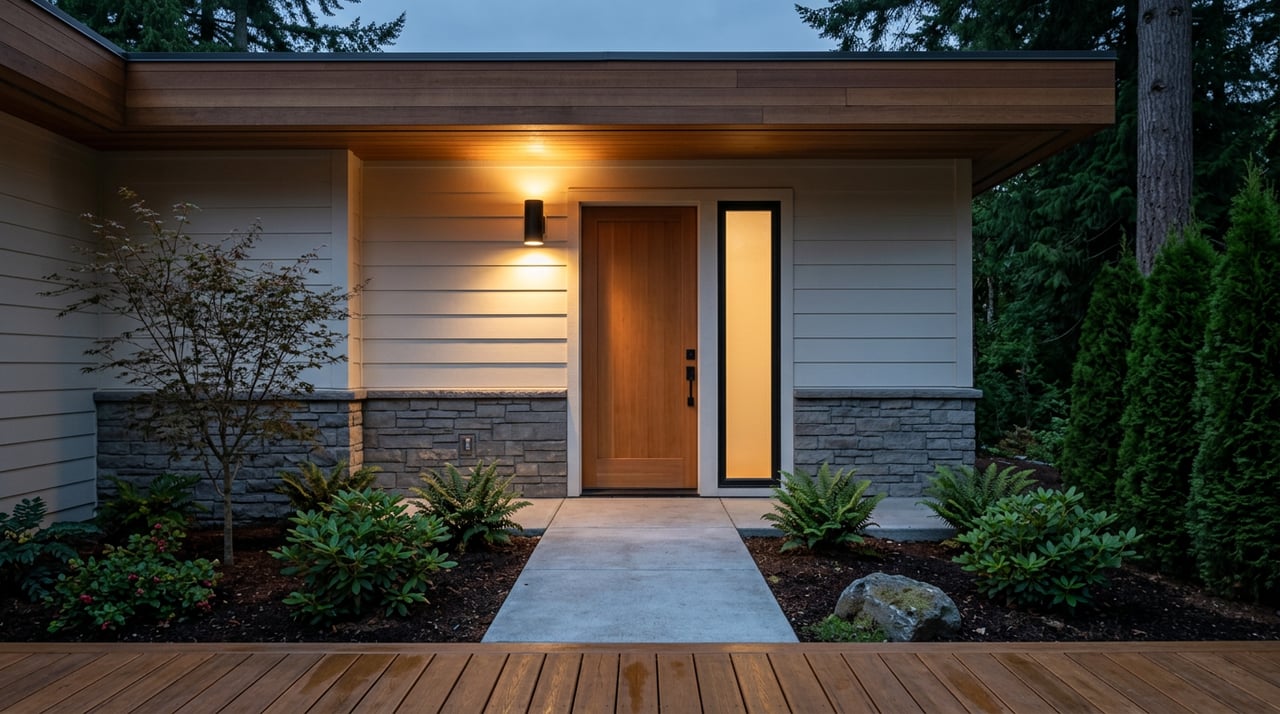
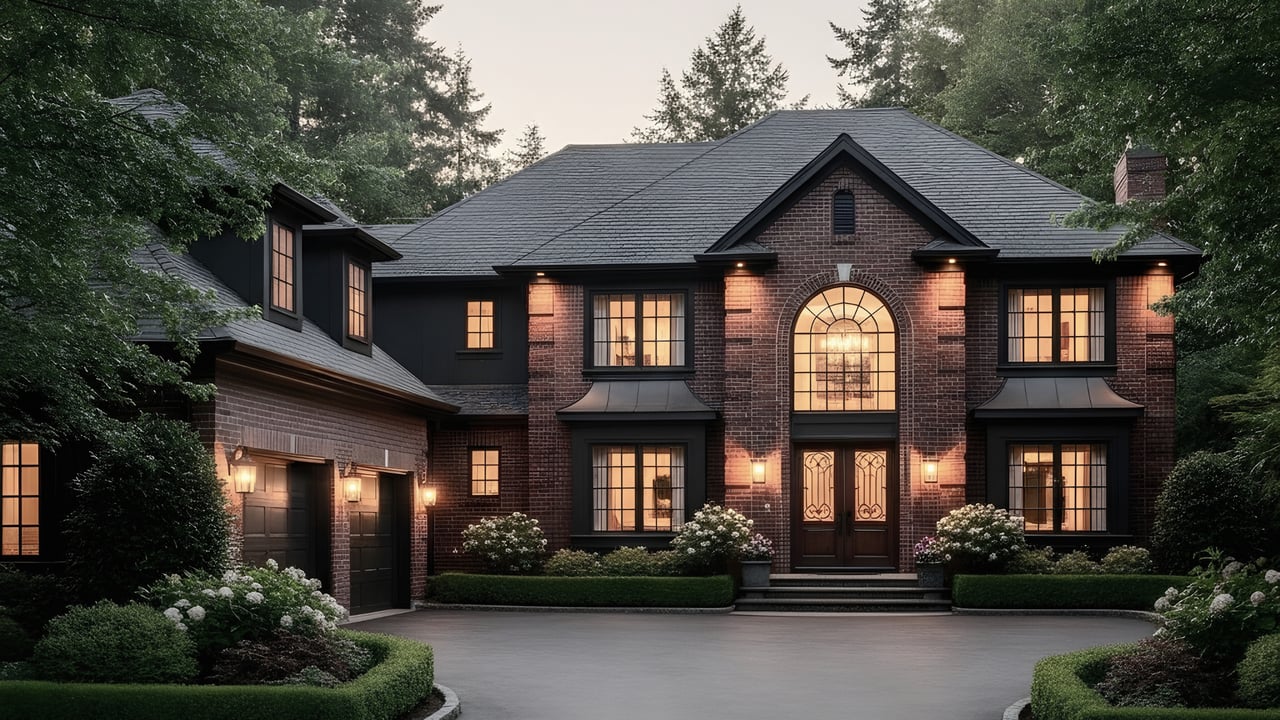
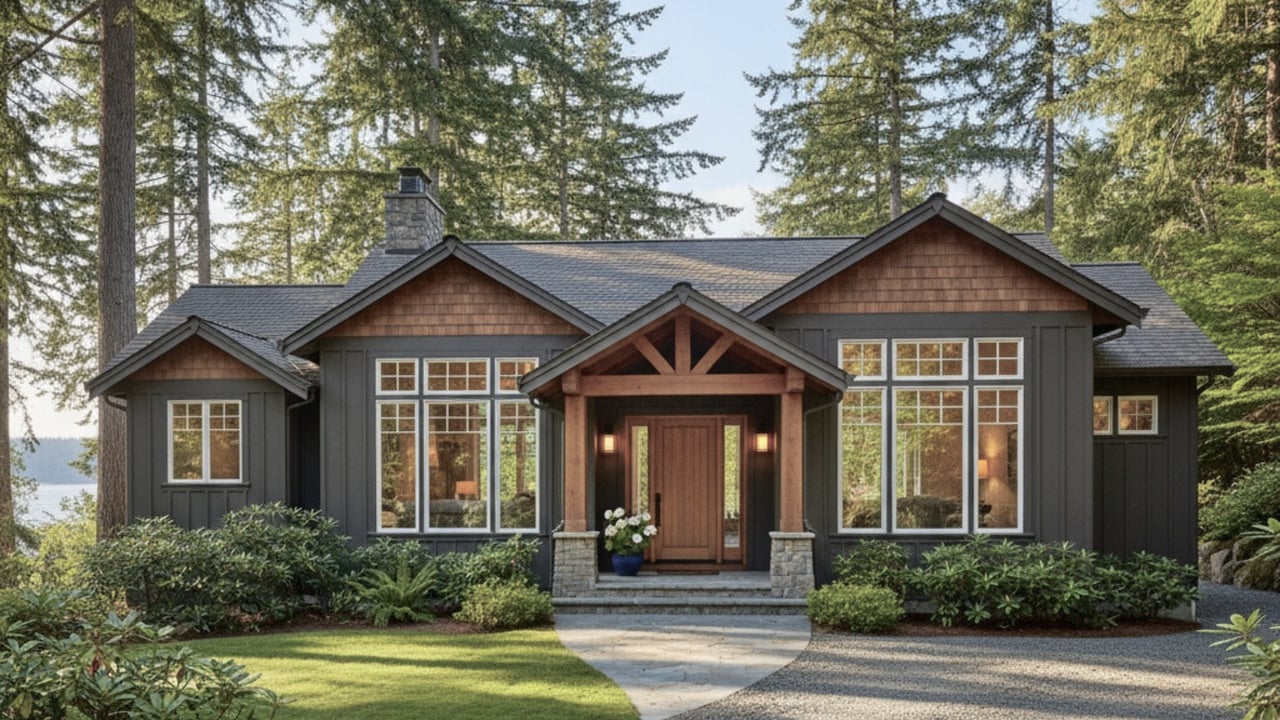
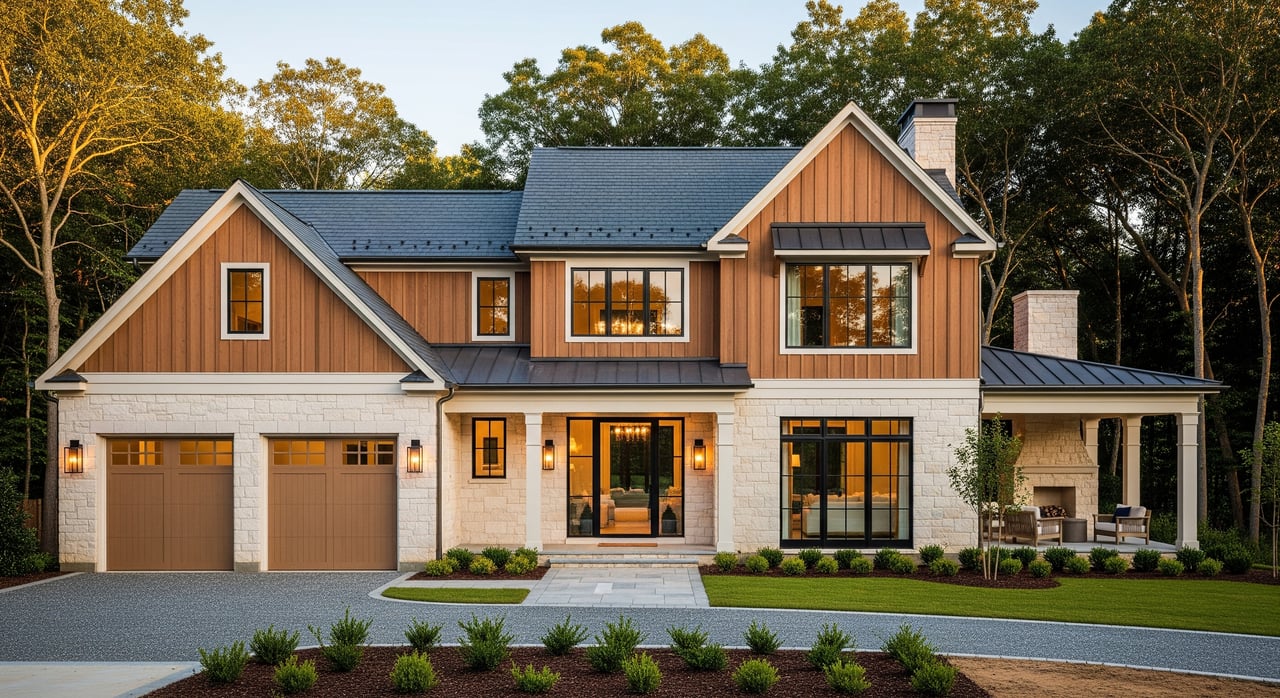
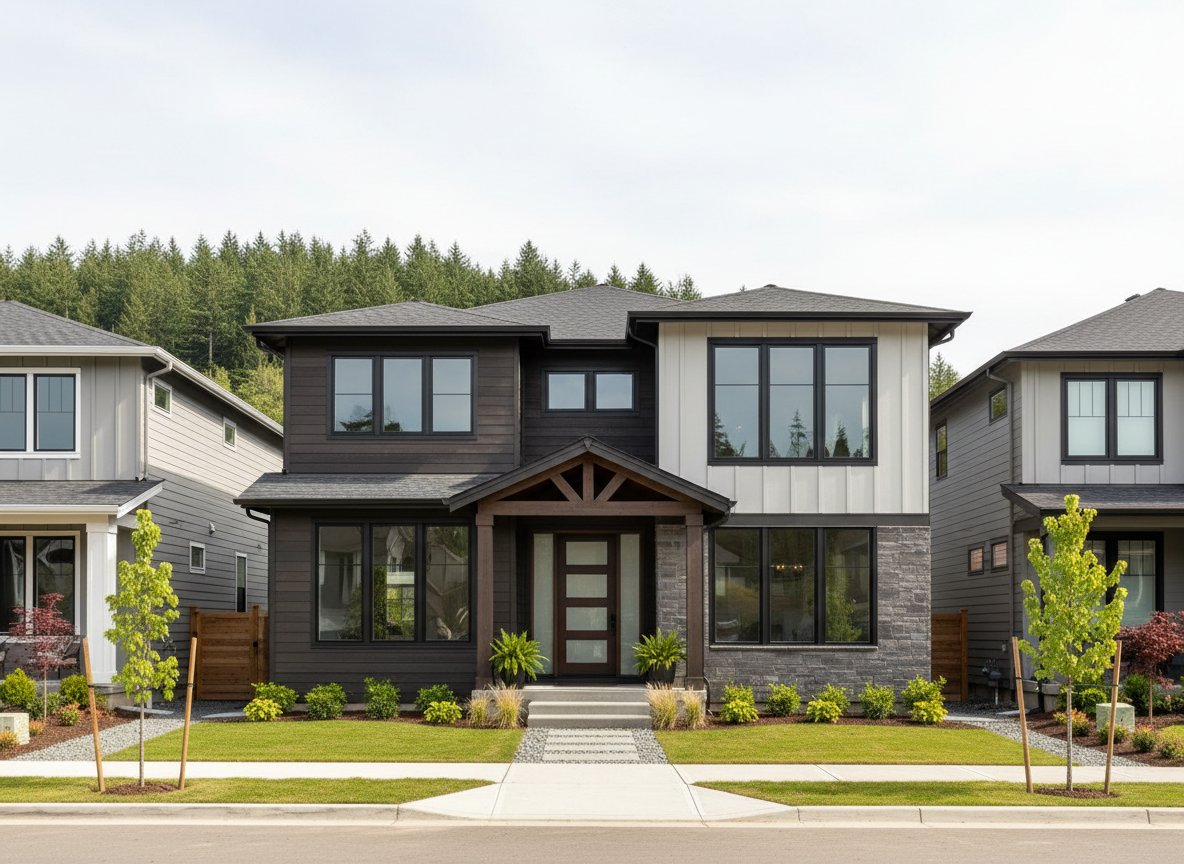
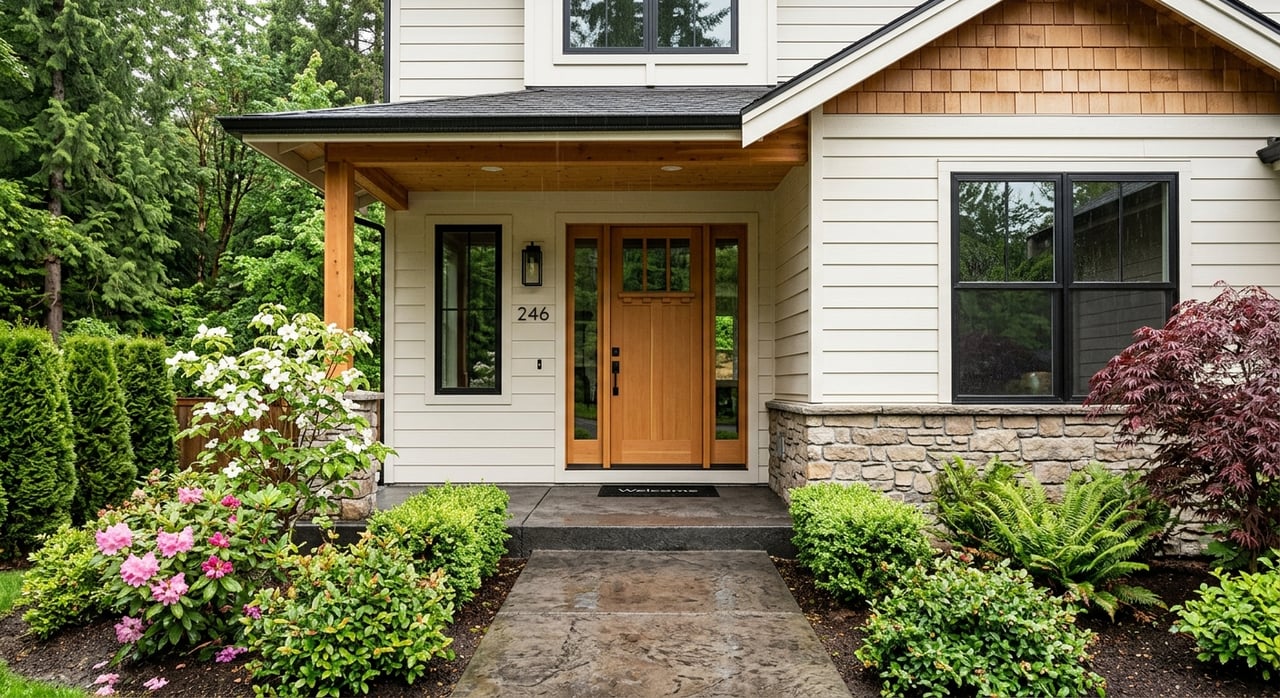
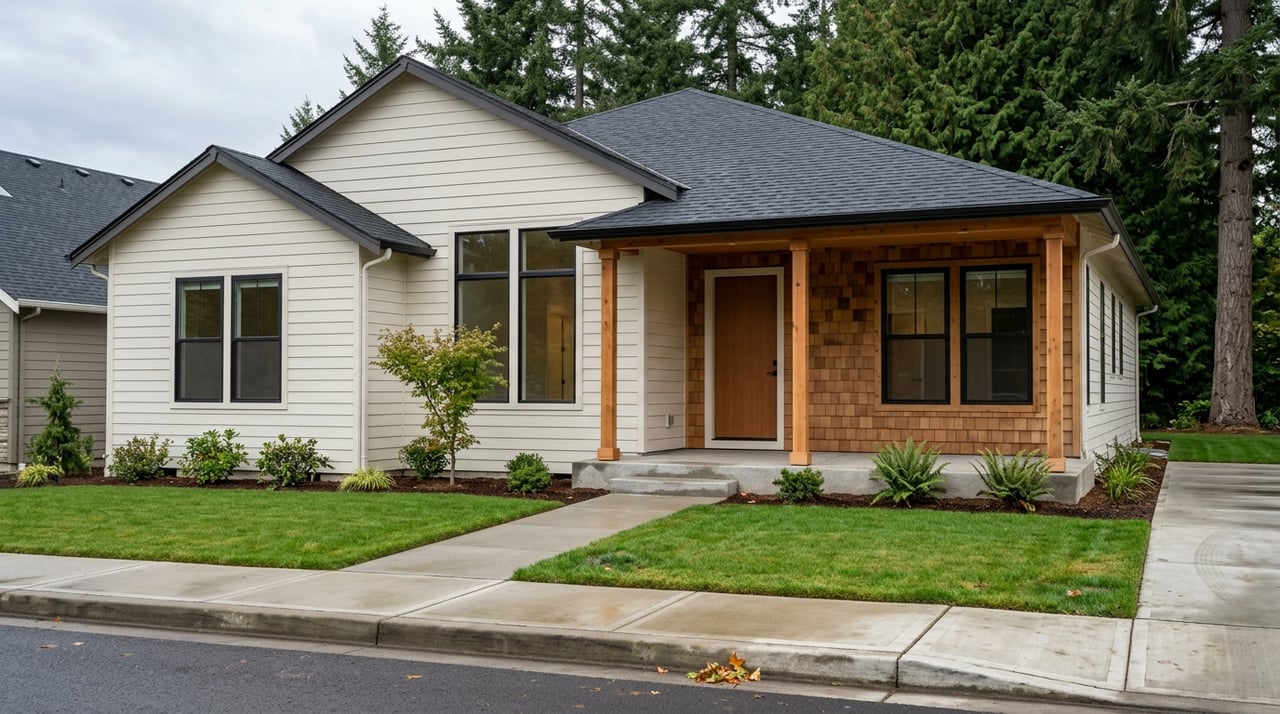
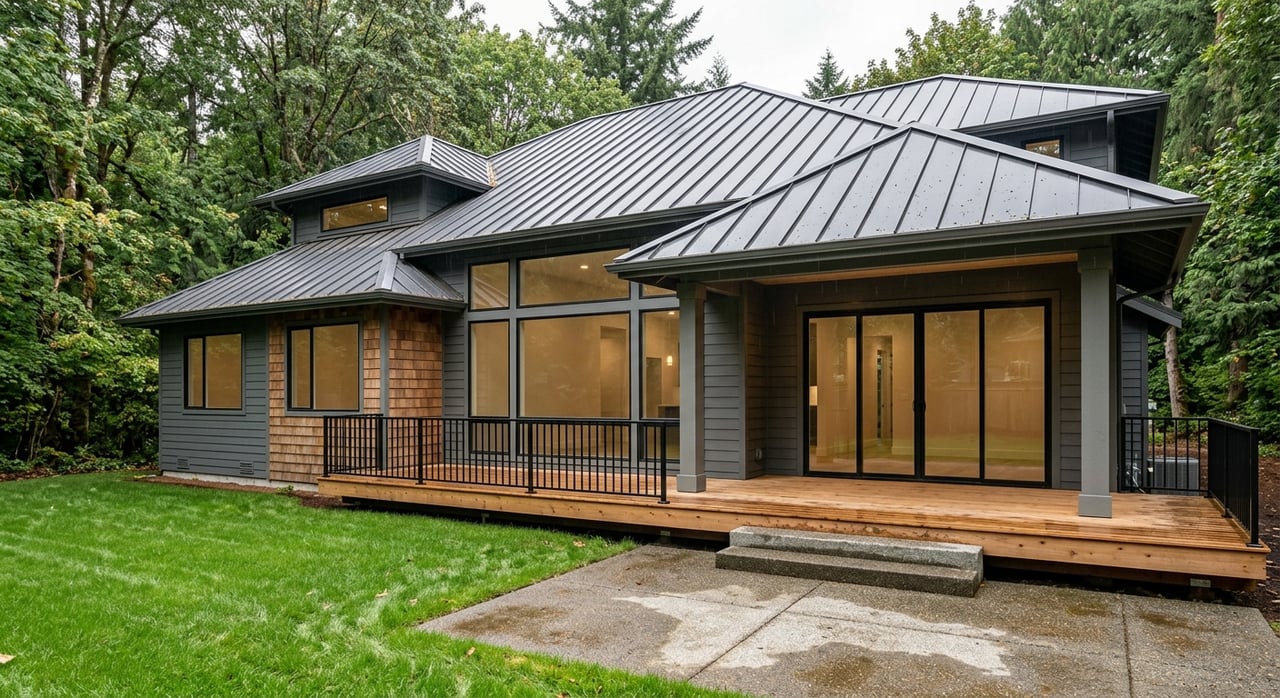
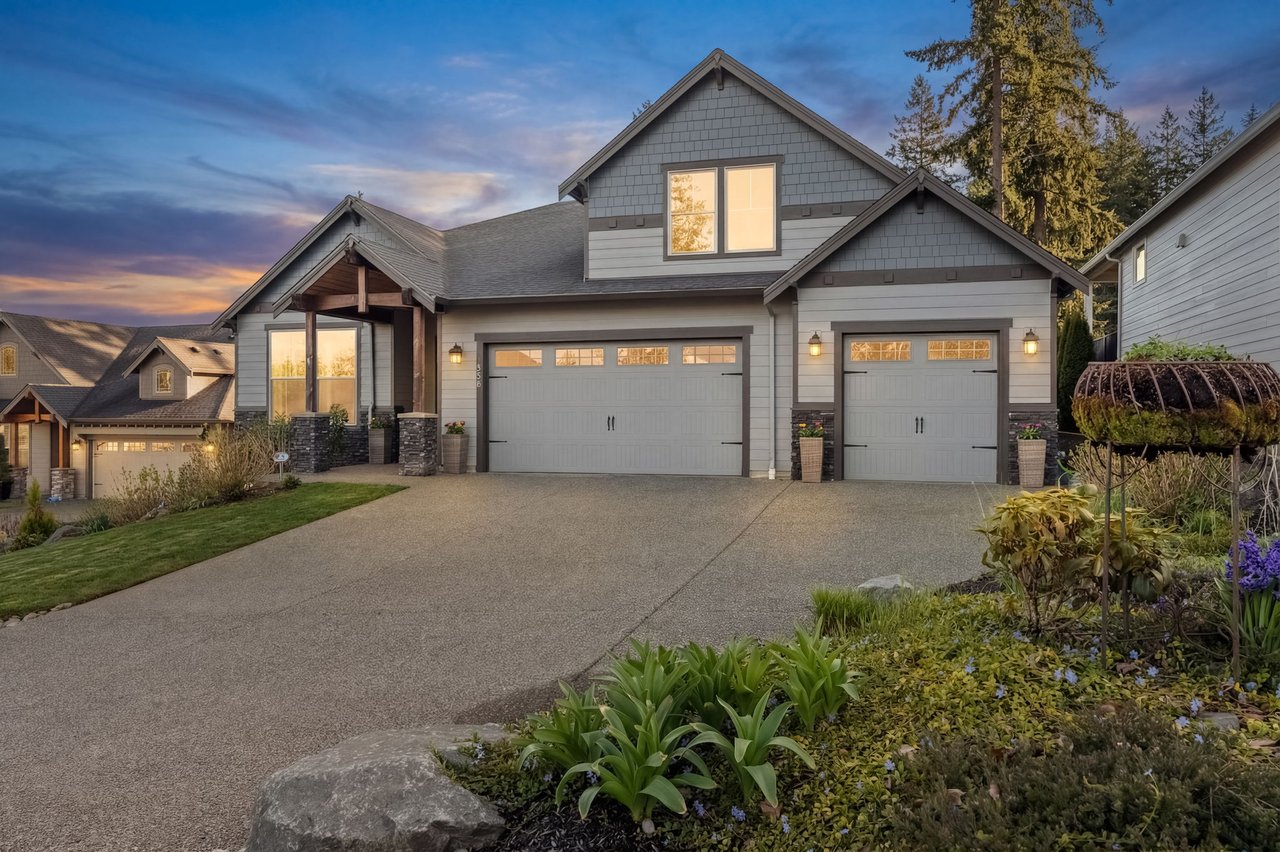
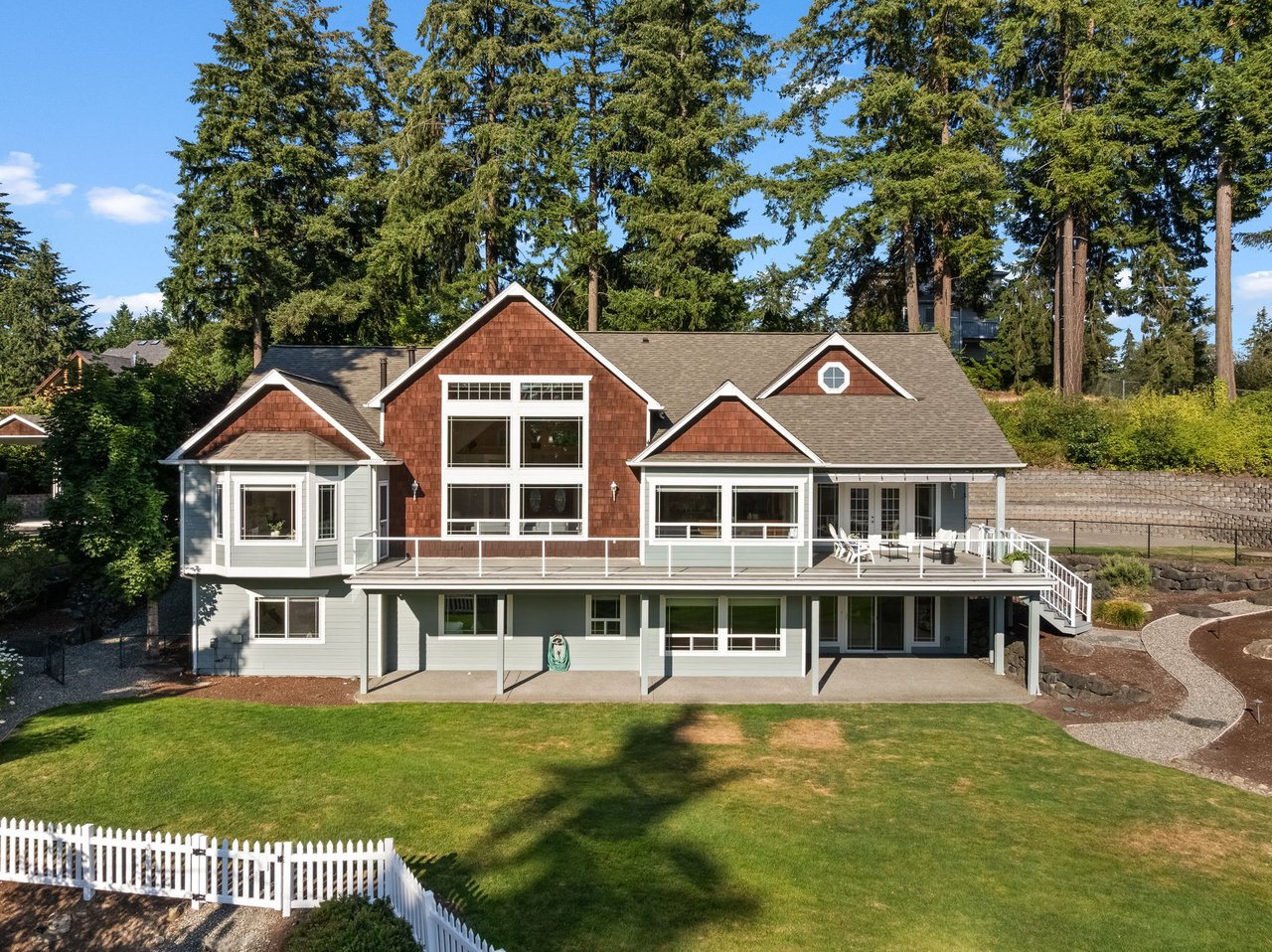
For many Seattle buyers, the biggest draw is space. Gig Harbor’s housing stock is still dominated by detached homes, which creates a very different search experience from much of Seattle.
According to the city’s 2024 Comprehensive Plan, about 62% of Gig Harbor housing is single-family, about 9% is middle housing, and about 26% is multifamily. Recent construction has also leaned heavily single-family, with about 70% of housing developed since 2010 falling into that category.
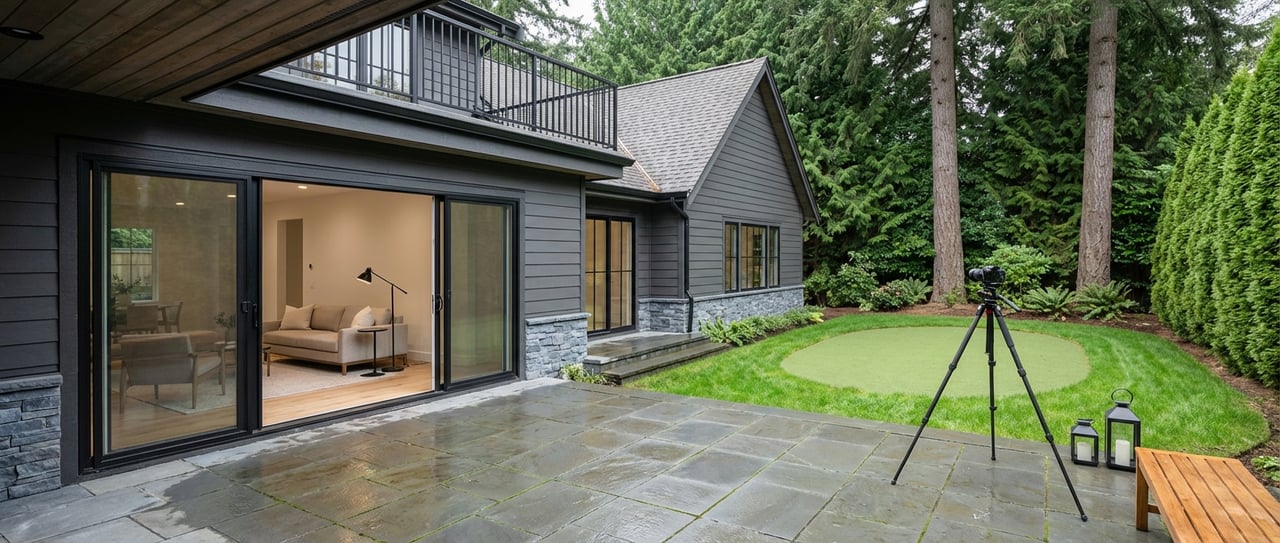
That matters if you want a yard, extra bedrooms, or a layout that feels more like a long-term home than a compact city property. It also matters if you are downsizing, because smaller-format options may be more limited depending on where you want to live.
The city’s Housing Needs Assessment adds more context. About 57% of homes have three or more bedrooms, while 68% of households are made up of one or two people. So while Gig Harbor often gives you more square footage, some buyers may find that the available homes are larger than they actually need.
What that means for your home search
If you are moving from Seattle, Gig Harbor may be a strong fit if you want:
- More detached homes in the mix
- More bedrooms or flexible living space
- A more residential setting
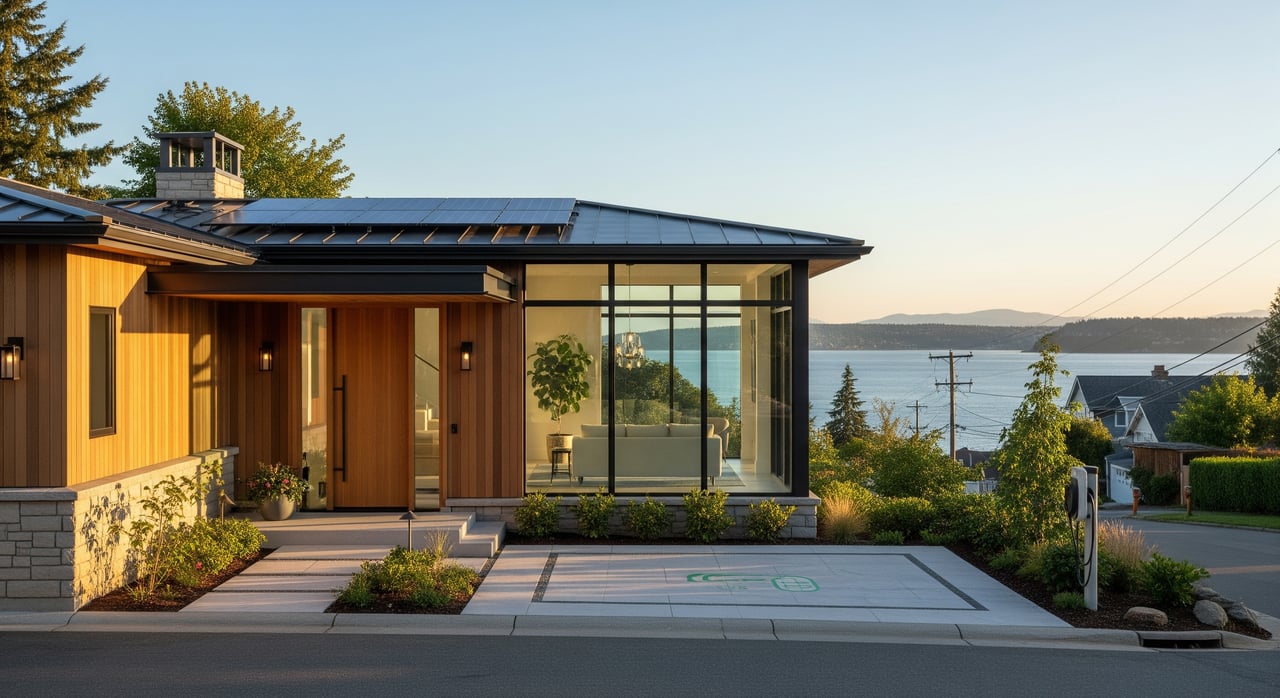
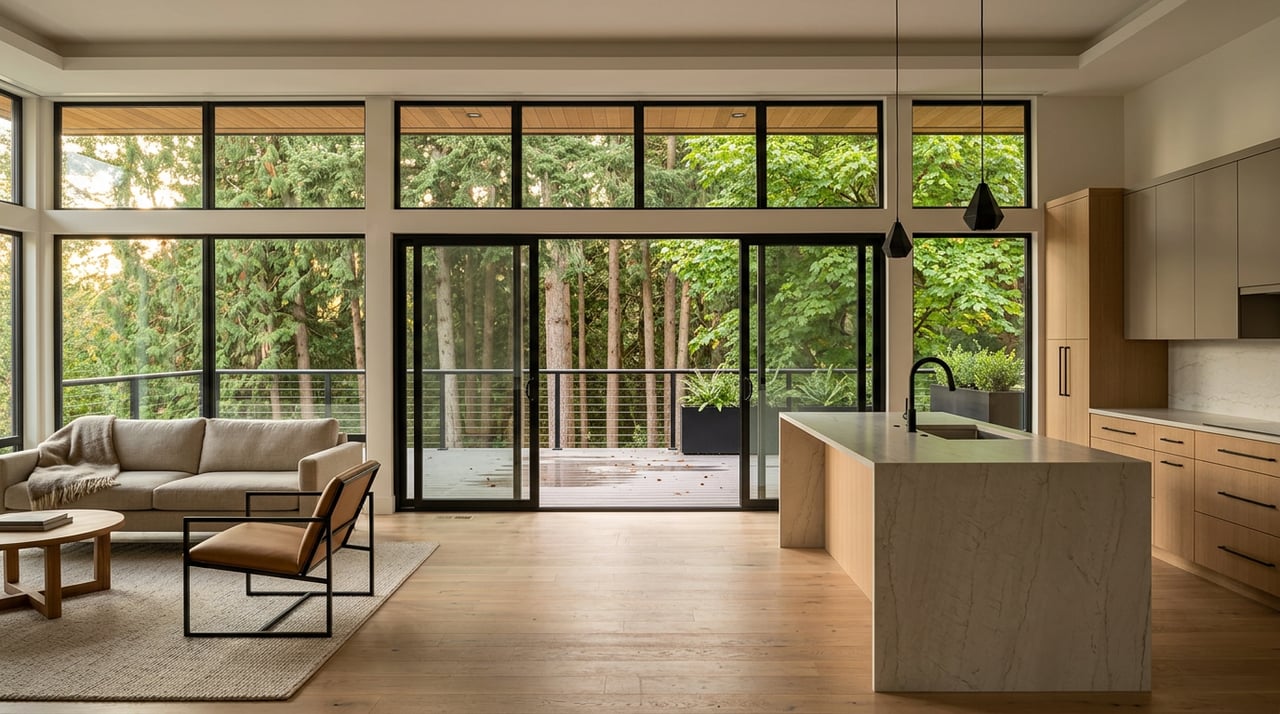
- Better odds of finding yard space or view-oriented homes
If you prefer:
- Dense walkability everywhere
- A wider range of smaller condos or apartments
- A more transit-oriented housing pattern
Seattle may still line up better with your lifestyle.
Gig Harbor Is Not Always the Cheaper Option
One of the biggest misconceptions about moving from Seattle to Gig Harbor is that it is automatically more affordable. The data does not support that as a blanket statement.
The Census reports a median owner-occupied home value of $767,100 in Gig Harbor compared with $938,600 in Seattle. Median monthly owner costs with a mortgage are also lower in Gig Harbor, at $2,844 versus $3,505 in Seattle.
At the same time, median gross rent is actually higher in Gig Harbor, at $2,301 compared with $2,030 in Seattle. Median household incomes are fairly similar too, at $118,395 in Gig Harbor and $123,860 in Seattle.
More recent sale-price snapshots show how close these markets can be. Redfin’s April 2026 data puts Gig Harbor’s median sale price at $899,535 and Seattle’s at $861,118. That means Gig Harbor should be viewed less as a discount version of Seattle and more as a market where you may be paying for a different product mix, especially if you want detached homes, views, or waterfront access.
Budgeting for a move to Gig Harbor
If you are comparing Gig Harbor to Seattle, it helps to ask:
- Are you buying for more space, not just lower price?
- Are you considering bridge toll costs in your monthly budget?
- Do you want a detached home enough to compete for one?
- Are you renting first, even though rents may be higher than expected?
That kind of candid budget review matters more than headline pricing alone.
The Commute Trade-Off Is Real
If your work or lifestyle still pulls you into Seattle often, this is the part to look at carefully. Gig Harbor is not usually a commute-shortening move.
The main regional connection is SR 16 over the Tacoma Narrows Bridge. Washington State Department of Transportation says tolls are collected only for trips headed to Tacoma, and the rate is fixed rather than changing by time of day. For a two-axle passenger vehicle, the current toll is $4.50 with Good To Go, $5.50 at the toll booth, and $6.50 by mail.
For many Seattle commuters, that means your return trip through Tacoma is the tolled direction. Over time, that becomes part of the real cost of living in Gig Harbor.
Transit is also more limited than what many Seattle residents are used to. Pierce Transit serves Gig Harbor, but the Waterfront Connector highlighted by the city is a local, seasonal service that connects downtown, Uptown, and the Kimball Drive Park & Ride on summer Fridays, Saturdays, and Sundays.
This points to a mostly car-first lifestyle. The Census backs that up, showing a mean travel time to work of 32.3 minutes in Gig Harbor compared with 26.0 minutes in Seattle.
Gig Harbor works best for certain work patterns
Gig Harbor may be a better fit if you:
- Work remotely most of the time
- Have a hybrid schedule with limited Seattle trips
- Spend more time in Tacoma or South Sound locations
- Value lifestyle enough to accept a longer drive
It may be a weaker fit if you:
- Need frequent downtown Seattle access
- Depend on transit for daily life
- Want errands and work to happen without relying on a car
Daily Life in Gig Harbor Is More Lifestyle-Driven
The strongest reason people move to Gig Harbor is often not price. It is lifestyle.
Gig Harbor has a compact waterfront town center rather than a large urban core. The city places special emphasis on preserving its fishing-village heritage, working waterfront, and historic net sheds, with only 17 historic net sheds remaining along the western shoreline.
That local identity shows up in everyday places. Skansie Brothers Park anchors downtown and hosts events like the Maritime Gig Festival, the Holiday Tree Lighting, and summer concerts. Ancich Waterfront Park adds beach access, a paddlers’ dock, and more public waterfront space.
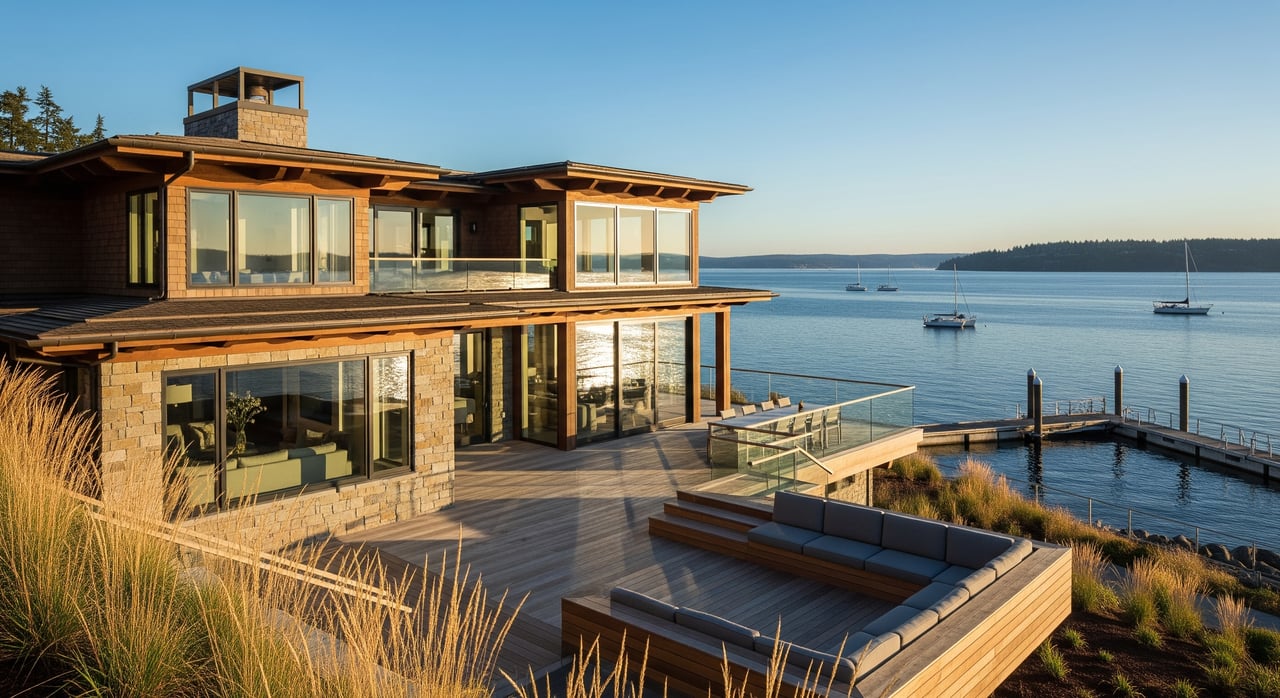
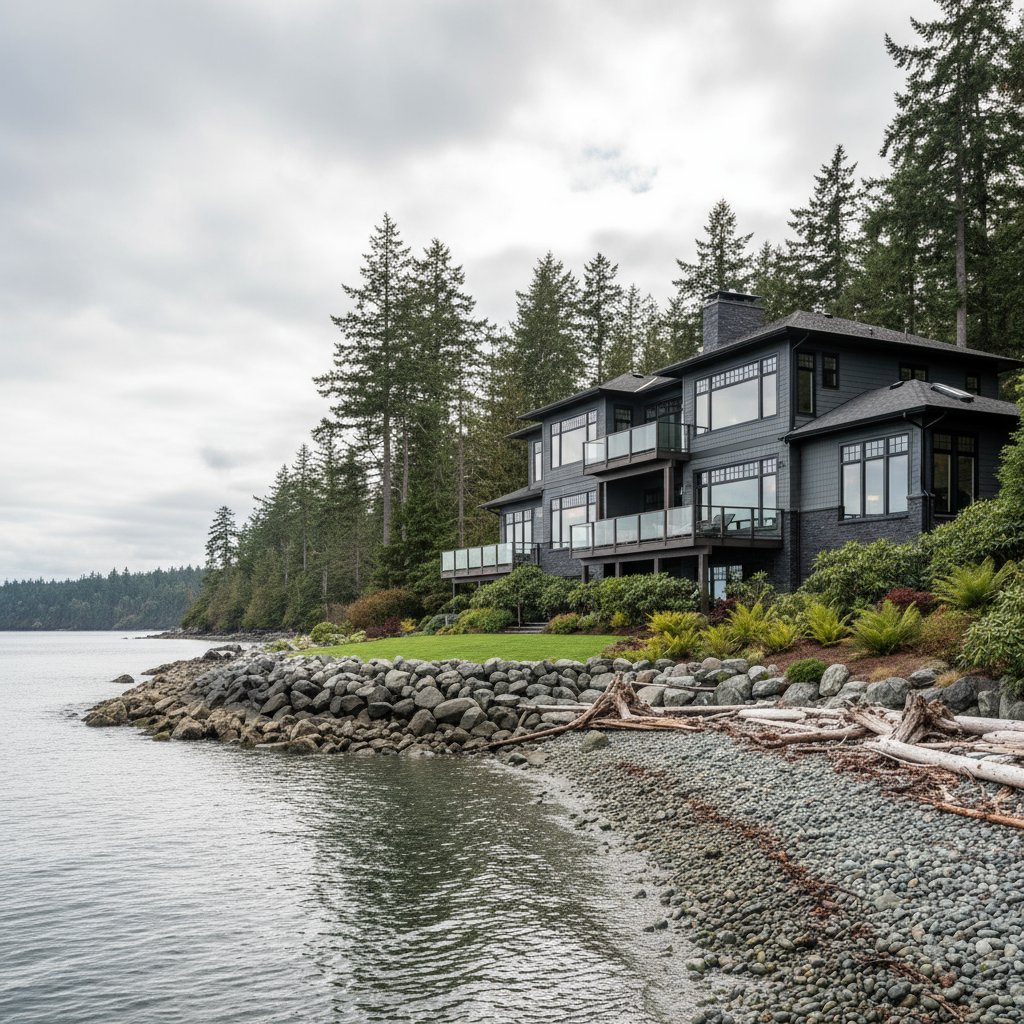
For many buyers, this is what makes the move feel meaningful. You are choosing a small waterfront city with a strong sense of place, not just moving farther out for a house.
Schools Matter to Neighborhood Choice
If you are relocating with school-aged children, school boundaries will likely be a key part of your search. The Peninsula School District says it serves more than 8,000 students across 17 schools on the Gig Harbor and Key Peninsulas.
The district includes 10 elementary schools, 4 middle schools, and 3 high schools. Because the service area is broad, school assignment by address is something you will want to verify early as you compare home options.
This is one of the reasons neighborhood-level guidance matters. Two homes that feel close on a map can have different commute patterns, housing styles, and school assignments.
So, Is Gig Harbor the Right Move From Seattle?
For the right buyer, yes. But the reason is usually lifestyle fit, not a simple cost savings.
Gig Harbor tends to make the most sense if you want a more residential setting, a higher share of detached homes, easier access to waterfront recreation, and a small-city rhythm that feels calmer than Seattle. It is especially appealing for hybrid and remote workers, households looking for more space, and buyers who value community character.
It tends to make less sense if you need frequent downtown Seattle access, rely heavily on transit, or want the convenience of dense-city living. In that case, the trade-offs can feel bigger than the benefits.
The smartest way to approach the move is to compare your actual weekly life, not just listing photos or headline prices. When you look honestly at housing type, driving patterns, budget, and the kind of environment you want to come home to, the right answer usually becomes much clearer.
If you are weighing Gig Harbor against Seattle and want candid, neighborhood-level guidance, Catt Johnson can help you think through the move with real local context and no pressure.
FAQs
Is Gig Harbor cheaper than Seattle for homebuyers?
- Not always. Census data shows lower median owner-occupied home values and monthly owner costs in Gig Harbor, but more recent sale-price snapshots show the gap can be narrow and even reverse depending on the market and housing mix.
Is commuting from Gig Harbor to Seattle realistic?
- It can be realistic for some people, especially hybrid workers, but it is usually not a commute-shortening move. You should expect a car-first pattern, longer average travel times, and Tacoma Narrows Bridge tolls on trips headed toward Tacoma.
Is Gig Harbor better than Seattle for families who want more space?
- Gig Harbor may be a better fit if your priority is a detached home, more bedrooms, and a more residential setting. The local housing stock includes a high share of single-family homes, and many homes have three or more bedrooms.
What is daily life in Gig Harbor like compared with Seattle?
- Gig Harbor generally offers a smaller-scale waterfront lifestyle with a historic downtown, public waterfront parks, and community events. Seattle offers a denser, more urban daily experience with more city-style convenience.
How important are school boundaries when moving to Gig Harbor?
- They are very important. Peninsula School District serves more than 8,000 students across 17 schools, so assignment by address can play a major role in which homes make sense for your move.