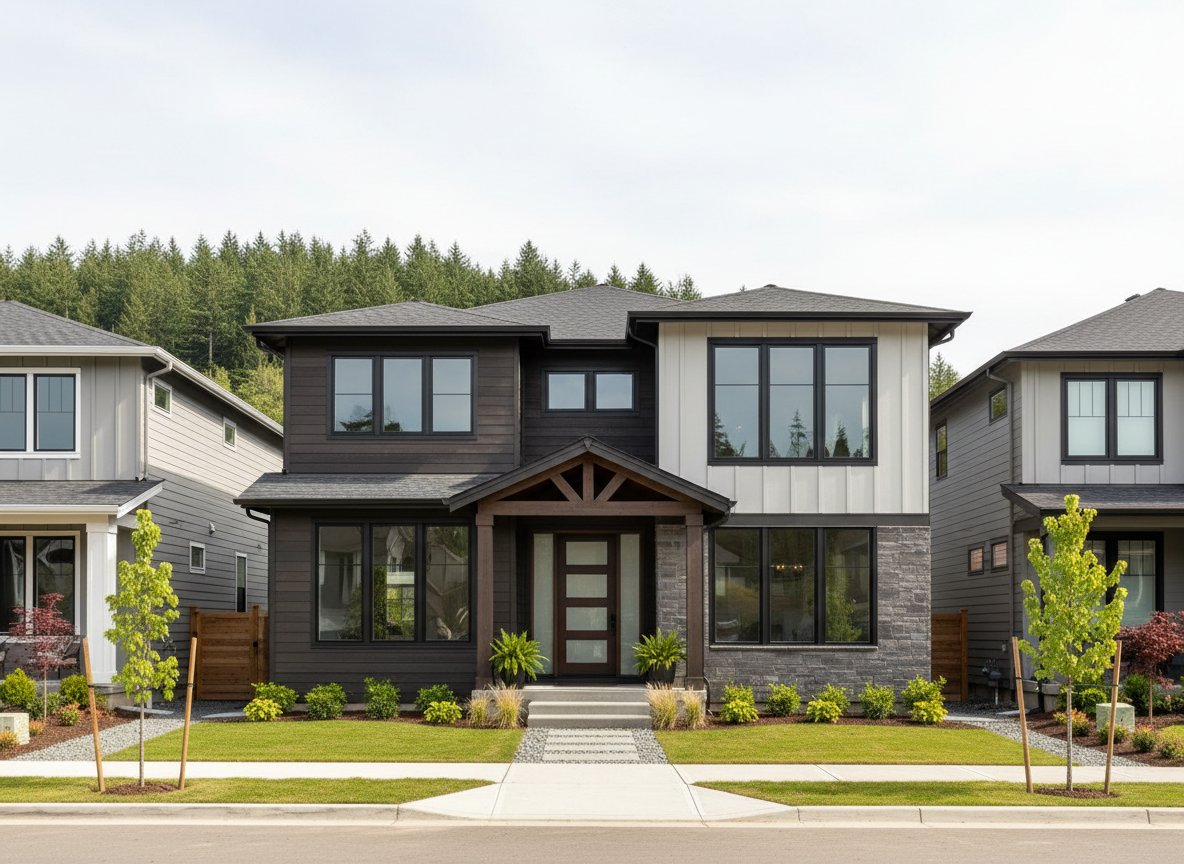
The Fixer-Upper Era Is Dead
What It Means If You're Selling a Home in Gig Harbor, and What's Actually Worth Renovating First
Nobody wants to live in a DIY nightmare anymore.
And honestly? It's about time someone said something about it.
If you're thinking about selling a home in Gig Harbor, Port Orchard, or anywhere across the South Sound, there's something most agents won't tell you.
The fixer-upper dream is over.
And if you're a seller weighing whether to renovate before you list, that one shift changes your entire game plan.
For about a decade, the fixer-upper was the dream.
You'd buy the ugly duckling. Knock down a wall. Slap on some shiplap. And ride a wave of instant equity all the way to the bank.
It looked easy. It looked fun. It looked profitable.
Here's the truth no one tells you:
That era is over.
Not slowing down. Not "evolving."
Done.
How We Got Here (Blame the TV)
The love affair started in the mid-2010s.
Home prices were climbing back after the recession. First-time buyers wanted in, and every other channel was running a renovation show where a tired house became a magazine cover in 22 minutes flat.
The fantasy was simple: buy cheap, fix it up, cash out.
And for a while? It actually worked.
Because home values were rising so fast that a few budget overruns or "oops" moments got erased by appreciation. You could make mistakes and still win.
But that safety net is gone.
According to Zillow, homes appreciated just 2.6% in 2024, with about 2.9% forecasted heading into 2025. The days of double-digit, mistake-forgiving equity? Over.
When the market stops bailing you out, the math gets real very fast.
What the Data Actually Says
Zillow looked at more than two million listings and crunched 359 different listing keywords to see which words moved the needle on price.
Want to guess the single biggest winner?
"Remodeled."
Homes described as remodeled sold for about 3.7% more than expected, roughly $13,194 on a typical home. That was the highest premium of every keyword they studied.
Now here's the part that should stop you cold.
Just one year earlier, "remodeled" added a measly 0.8%.
And before the pandemic? Listings that bragged about being a "fixer," needing "TLC," or having "good bones" actually sold faster.
Flip the script to today:
A fixer-upper now sells for about 7.3% less than a comparable home, the steepest discount in three years. A home that "needs work" sells for roughly 8% under expectation, over $28,000 off on a typical home.
Buyers aren't just saying they want move-in ready. They're voting with their wallets.
Remodeled homes get 26% more saves and are shared with a partner 30% more often on Zillow.
Translation? Buyers don't just like turnkey homes.
They're racing to them.
Why Buyers Quietly Gave Up on Renovating
It's not laziness. It's math, time, and trauma.
The renovation reality check, courtesy of a Clever Real Estate survey:
78% of homeowners went over budget on their last project. 41% hit serious delays. And a staggering 74% had regrets, most commonly that they spent too much or it dragged on forever.
It gets spicier. The regret skews young. About 89% of Gen Z and 82% of millennials who renovated had regrets, versus 51% of boomers.
These are your move-up and first-time buyers. And they've either lived the nightmare or watched a friend live it.
Add in the money piece: home equity lines are running 8–9% and renovation loans even higher. So buyers who stretch to afford the house have nothing left to fix it.
And the time piece? Nearly half of homeowners said their renovation was more stressful than they expected.
People don't want a project. They want their life.
They want to unpack, pour a glass of wine, and not live in a construction zone for eight months.
Can you blame them?
What This Means Right Here in Gig Harbor
Now let's bring it home, literally.
The Puget Sound market has shifted, and you need to hear this if you're thinking about selling.
We are in a buyer's market. Pierce County's median is hovering around $560,000 and sitting essentially flat year over year. There are roughly 4,000 active listings competing for attention, and statewide inventory jumped 28.4% according to Northwest MLS.
That's the reality of Gig Harbor real estate right now: more homes, pickier buyers, less urgency.
And here's the part specific to our corner of the world: a huge chunk of the inventory around Gig Harbor, Port Orchard, and Kitsap County was built decades ago. In the broader Seattle area, the typical home was built around 1985, and more than 40% predate 1980.
Beautiful, characterful, established neighborhoods, carrying a lot of aging systems.
So we've got the perfect storm: Buyers who refuse to renovate. A buyer's market that gives them options. And a ton of homes quietly hiding their age.
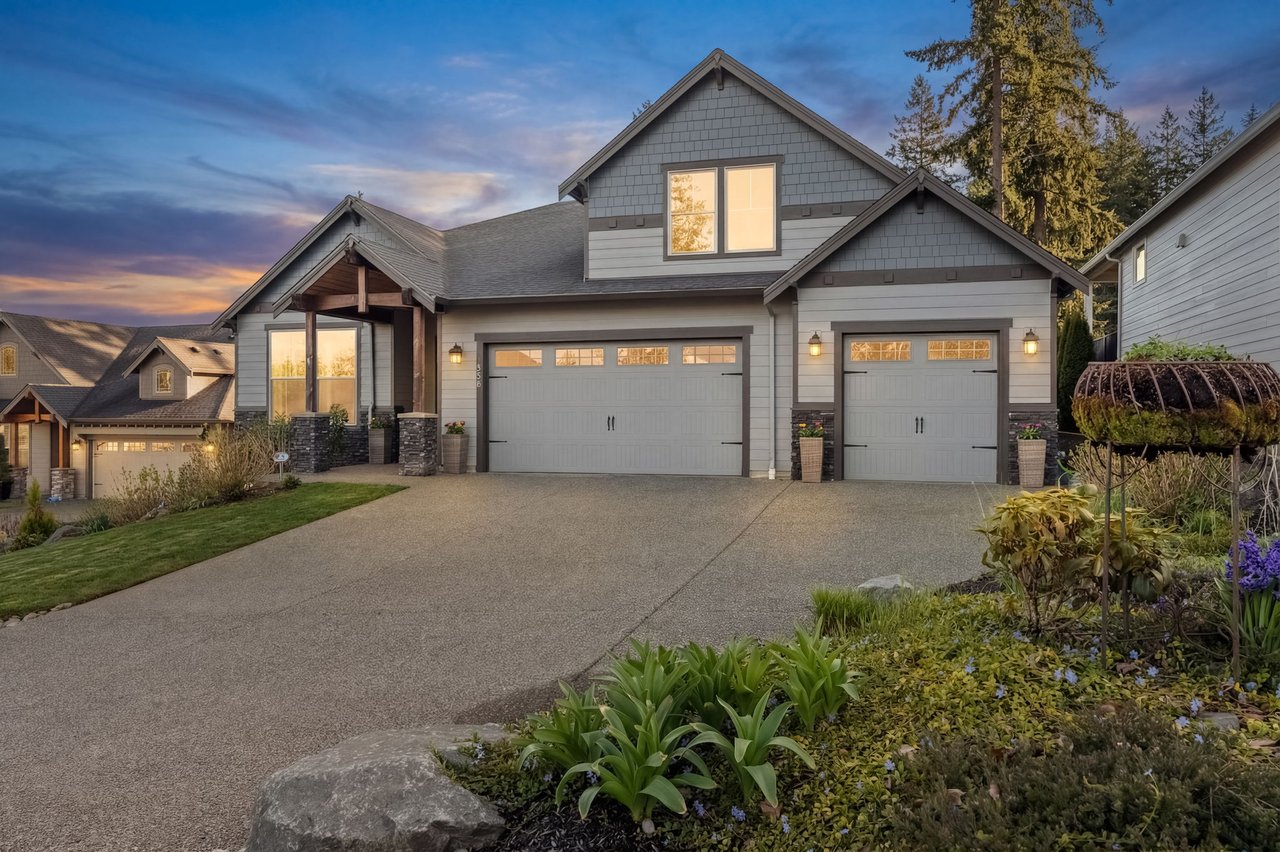
In a Puget Sound market like this, the home that's been thoughtfully prepared wins. Every single time.
Should You Renovate Before Selling Your Gig Harbor Home?
Great question. And the answer is the most important thing in this whole post.
Yes. But strategically.
Because if buyers won't do the work anymore, and they won't, then the seller who does the right work is the one who wins the bidding war.
But notice I said right work.
Not gut-the-house work. Not chase-every-trend work. Not pour-$80,000-into-a-kitchen-and-recoup-half-of-it work.
(That major kitchen overhaul? It returns about 58% of its cost. The flashy stuff rarely pays you back.)
The strategy is surgical: the few high-impact, high-return moves that make your home read as done, without lighting your money on fire.
And here's something that should make you smile if you're selling in Washington: the data shows a minor kitchen refresh here returns around 124% of its cost. One of the best in the entire country.
Strategic beats expensive. Every time.
This Is Exactly Where I Come In
Here's the part I actually care about.
If you're a seller staring down a home that needs some love before it hits the market, I am your person.
Not to upsell you. Not to hand you a scary list and disappear.
To make you money.
When you work with me, you get:
- Discounted materials. I can get you pricing you can't get on your own.
- Priority placement with trusted vendors. No waiting three weeks for a callback. My people show up.
- Recommendations built around YOUR budget, whether that's $2,000 or $50,000. I'll tell you exactly where every dollar should go.
- The data to back it up. I don't guess. I show you the numbers on what actually returns at resale so you're investing, not gambling.
That's the whole point.
I'm not here to tell you to renovate. I'm here to tell you what to renovate, and what to leave alone, so you walk away with the biggest possible check.
The fixer-upper era is dead.
But the strategically prepped, sells-in-a-weekend, multiple-offer listing?
That era is just getting started.
Ready to Sell Smart in Gig Harbor?
If you've got a home in Gig Harbor, Port Orchard, or anywhere across the South Sound and you're wondering what's worth doing before you list:
Let's talk.
I'll walk your home, run the numbers, and build you a plan that actually pays off.
No pressure. No guesswork. No five-figure mistakes.
Just a strategy that gets you the most for your home.
Because in today's market, prepared wins.
And I happen to be very good at prepared.
Frequently Asked Questions
Should you renovate before selling your house? In today's market, yes, but strategically. Buyers no longer want to inherit projects, so the right pre-listing updates help your home sell faster and for more. The key word is right: a few high-return moves, not a full gut.
What home improvements have the best ROI in Washington? Washington rewards the unglamorous winners. A minor kitchen refresh returns around 124% of its cost here, and essentials like HVAC replacement, a new garage door, and curb-appeal updates consistently top the list. Big luxury remodels rarely pay back dollar for dollar.
Do fixer-uppers sell for less than move-in ready homes? Yes, and the gap is widening. Zillow found fixer-uppers selling for about 7.3% less than comparable homes, while remodeled homes earned the single highest price premium of any listing feature studied. Move-in ready wins.
Is it worth updating the kitchen before selling? A minor, surgical kitchen refresh? Almost always. A full high-end overhaul? Usually not. A major kitchen remodel returns only about 58% of its cost, so freshen, don't gut.
How much does it cost to replace major home systems before selling? Budget roughly $6,000 to $13,000+ for a roof, $4,000 to $10,000 for HVAC, around $1,300 for a water heater, and $1,800 to $4,500 for an electrical panel. These are the "boring" costs buyers most want to avoid, which is exactly why sound systems sell.
Sources
- Zillow Research, "The end of the fixer-upper: Remodeled homes sell for the highest premiums" (Feb. 2025): premiums and discounts on remodeled vs. fixer-upper listings, buyer engagement metrics, home-value appreciation figures.
- National Association of Realtors, 2025 Profile of Home Buyers and Sellers: buyer motivations for choosing new construction (avoiding renovations, plumbing/electrical issues), buyer demographics.
- Cost vs. Value Report (Zonda/Remodeling), 2025 & 2025–26: project-by-project return on investment, including HVAC, kitchen, and primary-suite figures, and Washington-specific kitchen ROI.
- Clever Real Estate / Clever Offers renovation surveys (2024 & 2026): over-budget rates, delays, regret rates by generation, renovation stress.
- Angi, HomeGuide, HomeAdvisor: 2025–26 replacement-cost ranges for roof, HVAC, water heater, and electrical panel.
- Redfin & Northwest MLS: Pierce County, Tacoma, Kitsap, and Port Orchard market data; statewide inventory.
- Construction Coverage (via local reporting): Seattle-area housing-stock age.
Note: Survey figures (Zillow keyword study, Clever) come from individual company research and are attributed by name throughout.