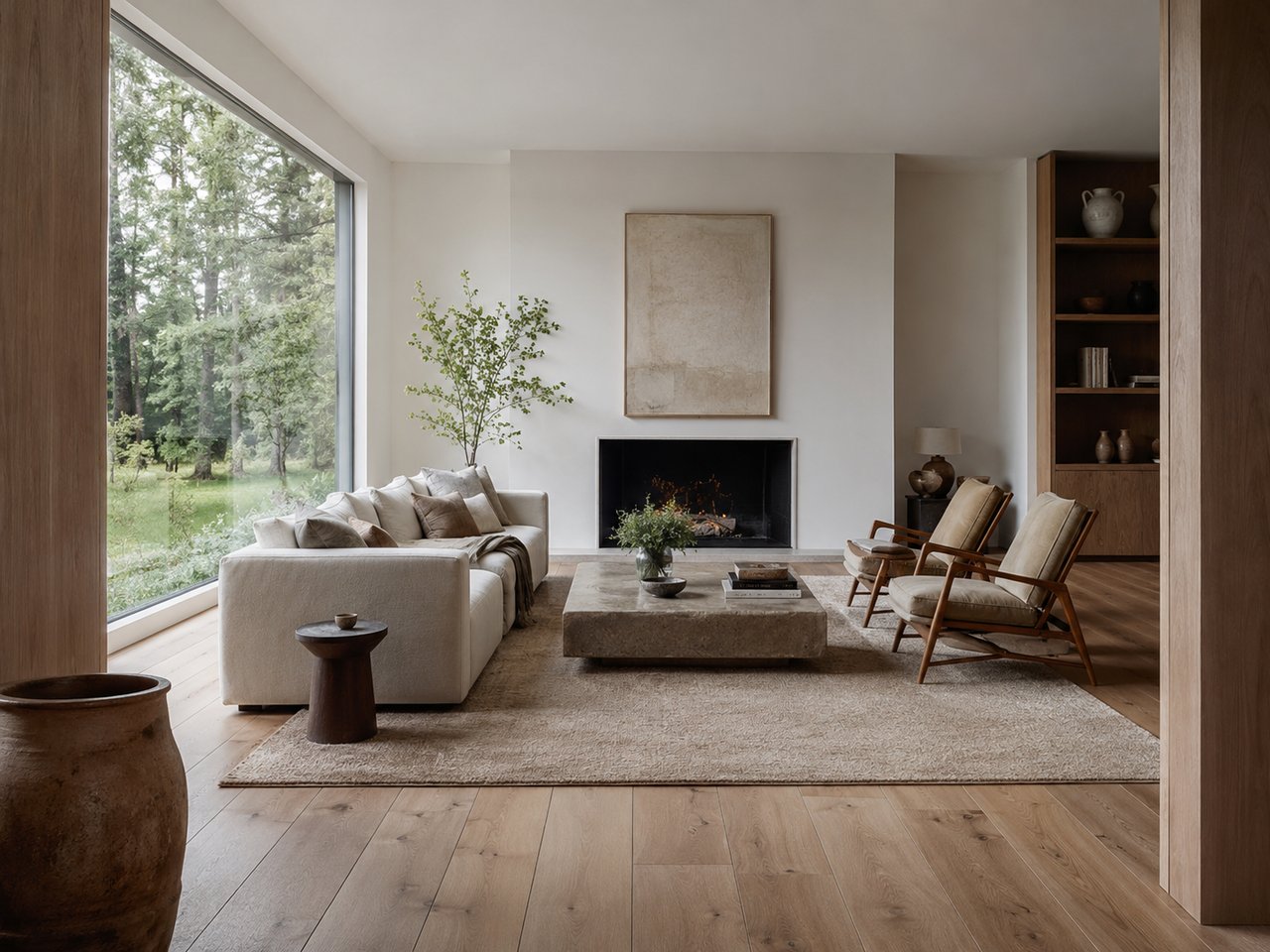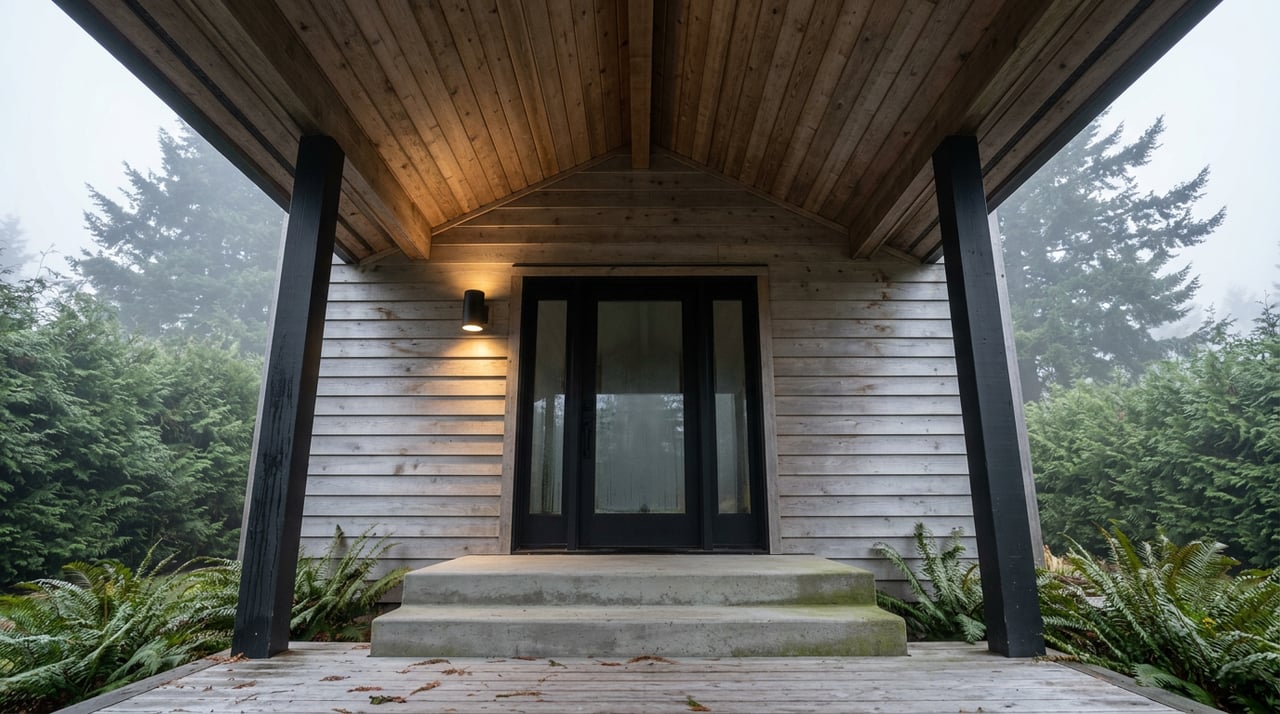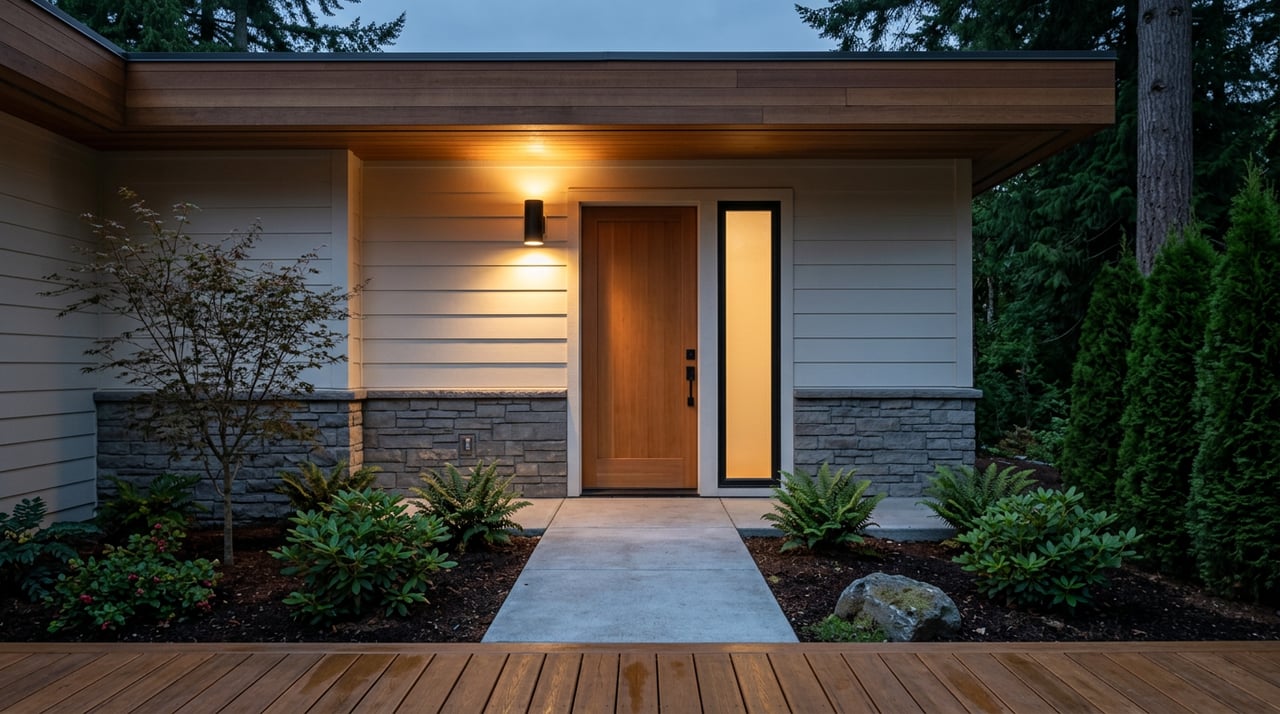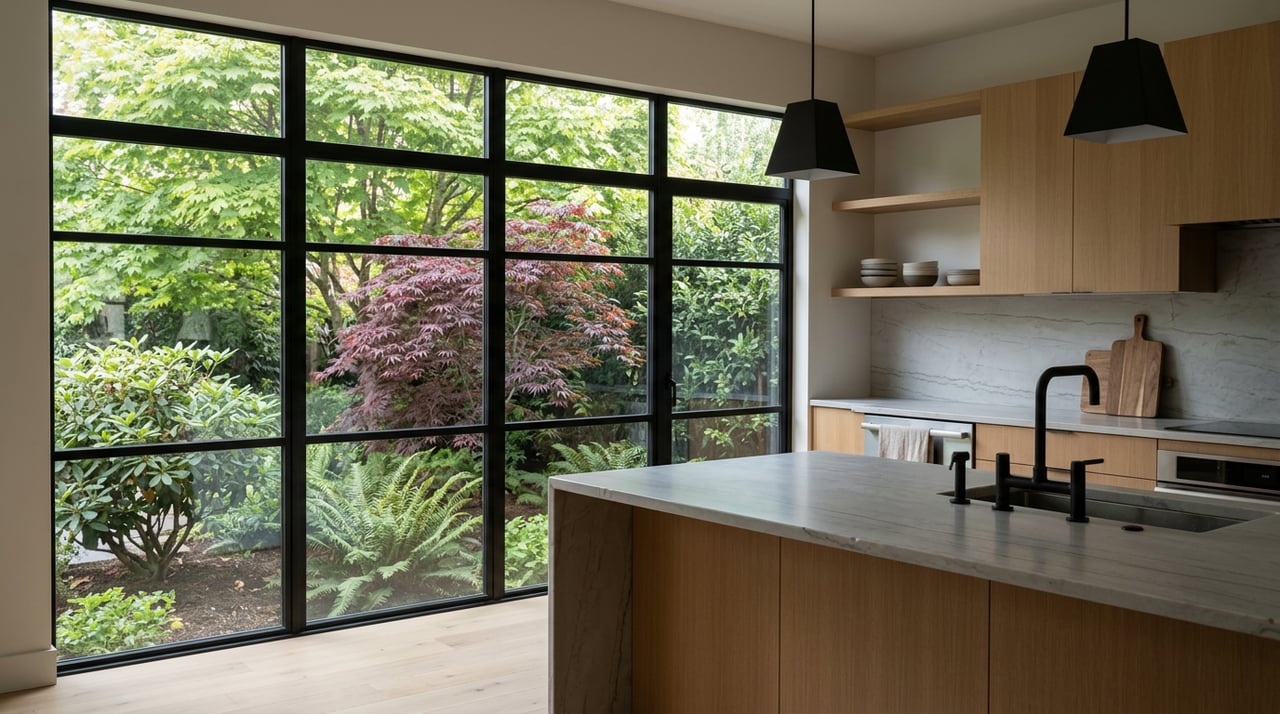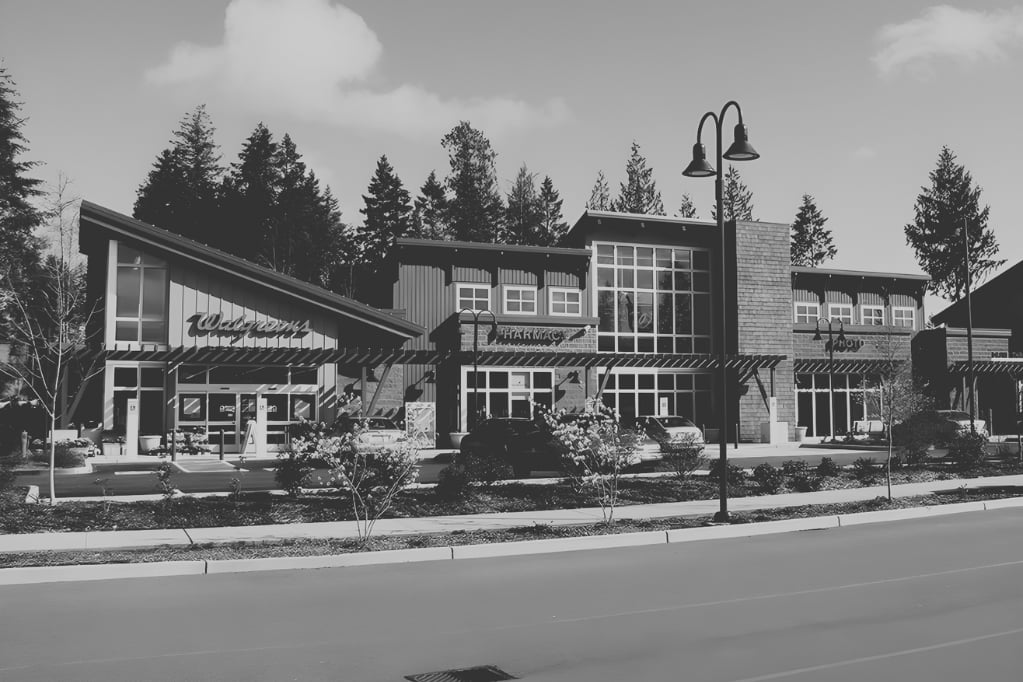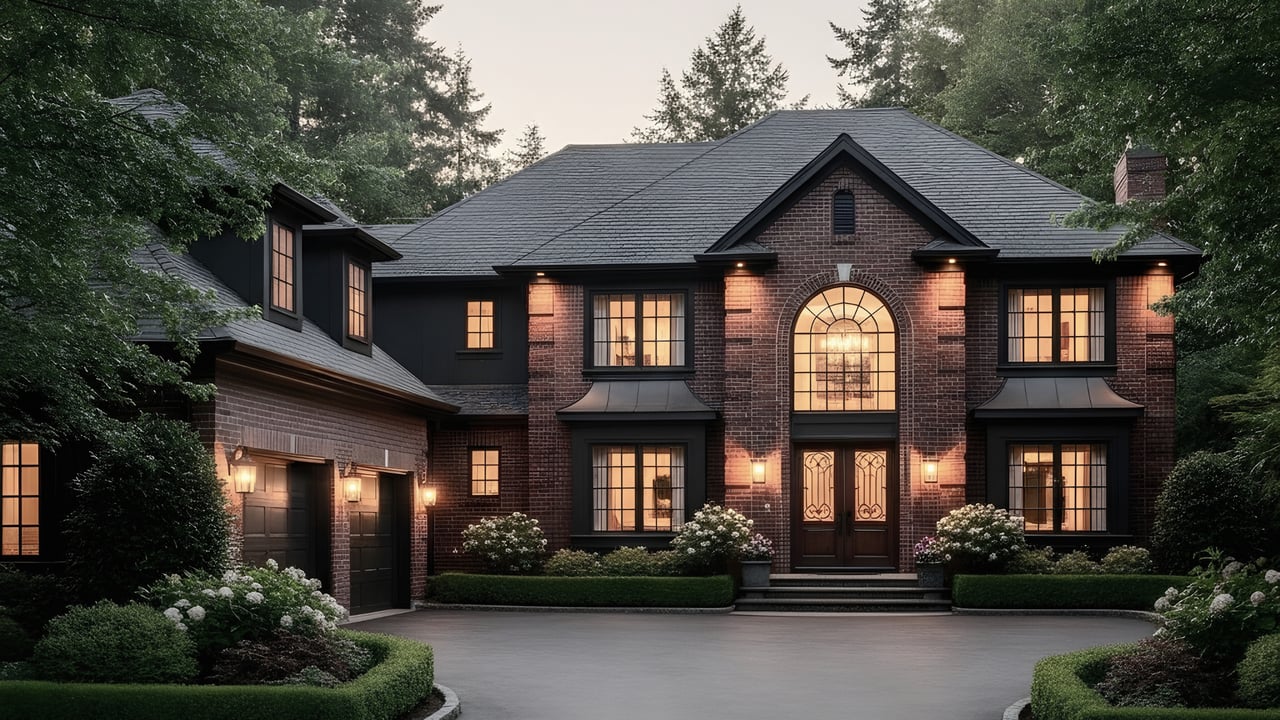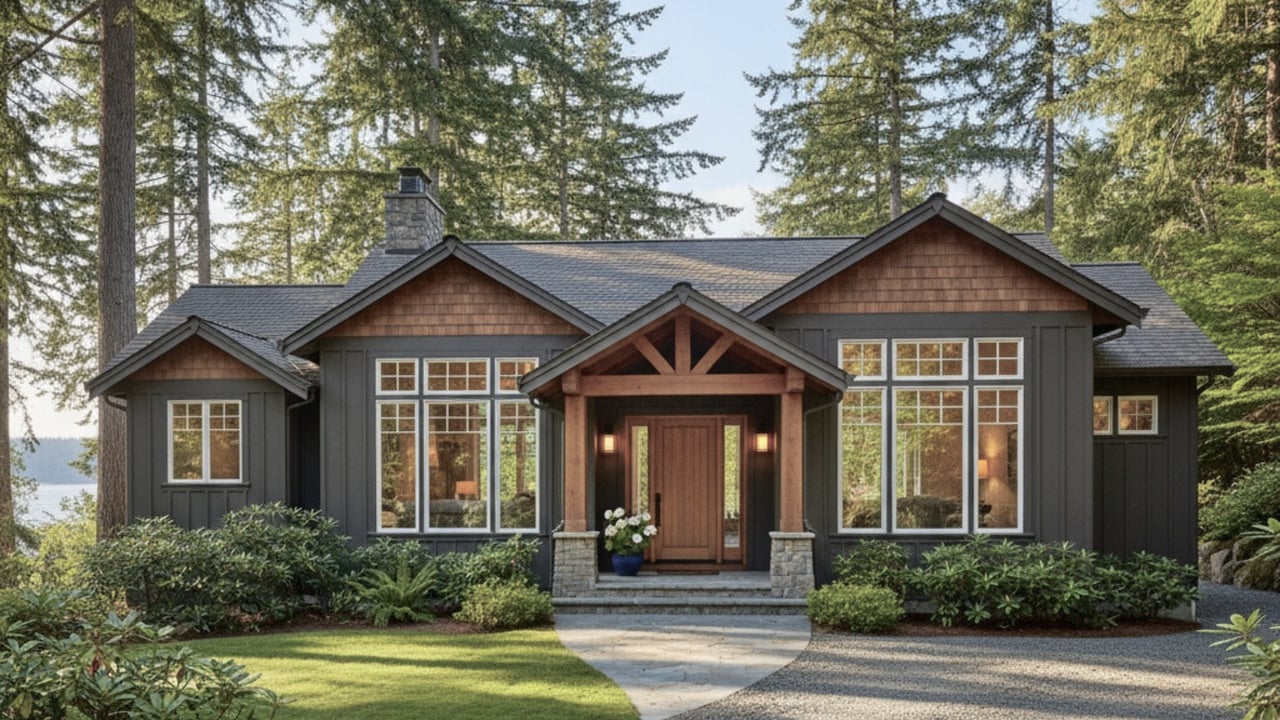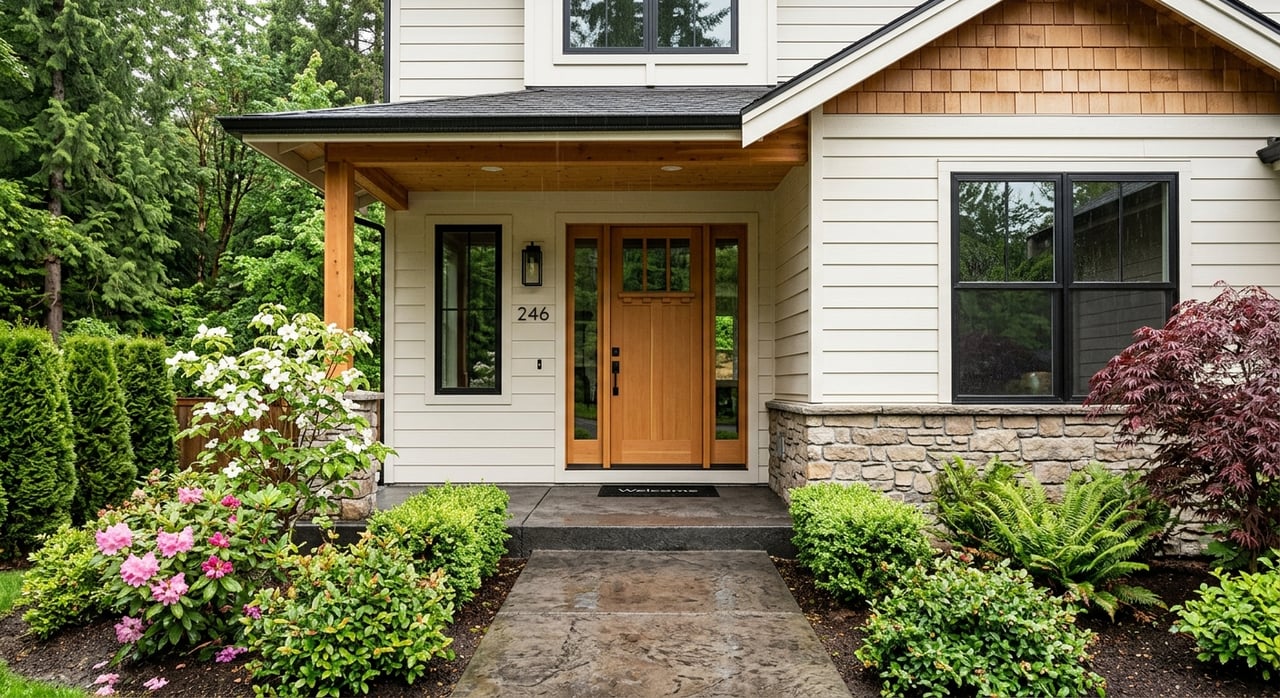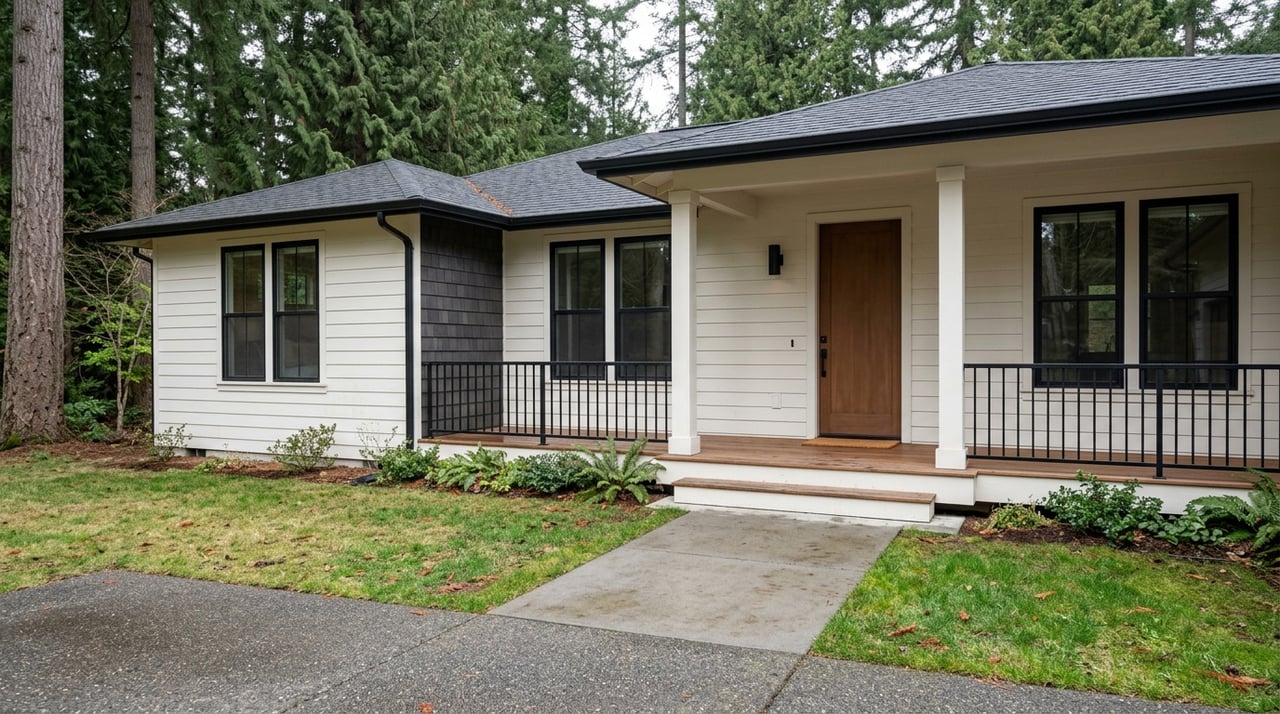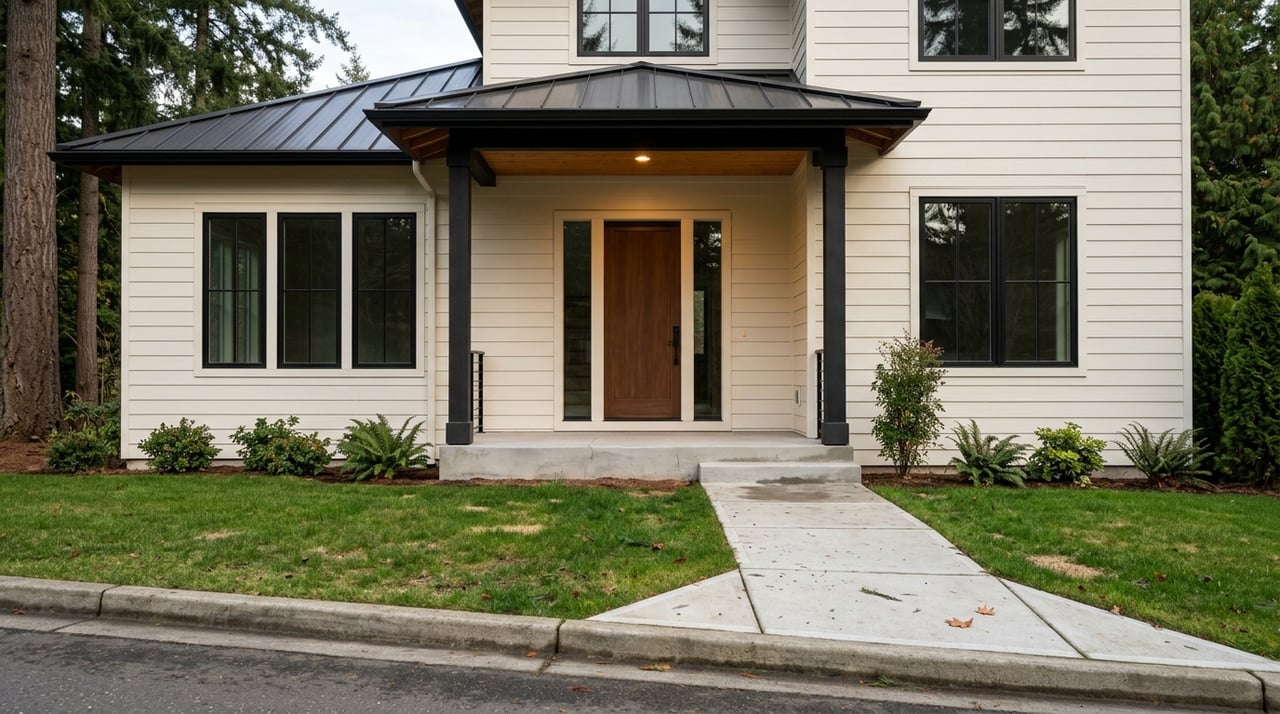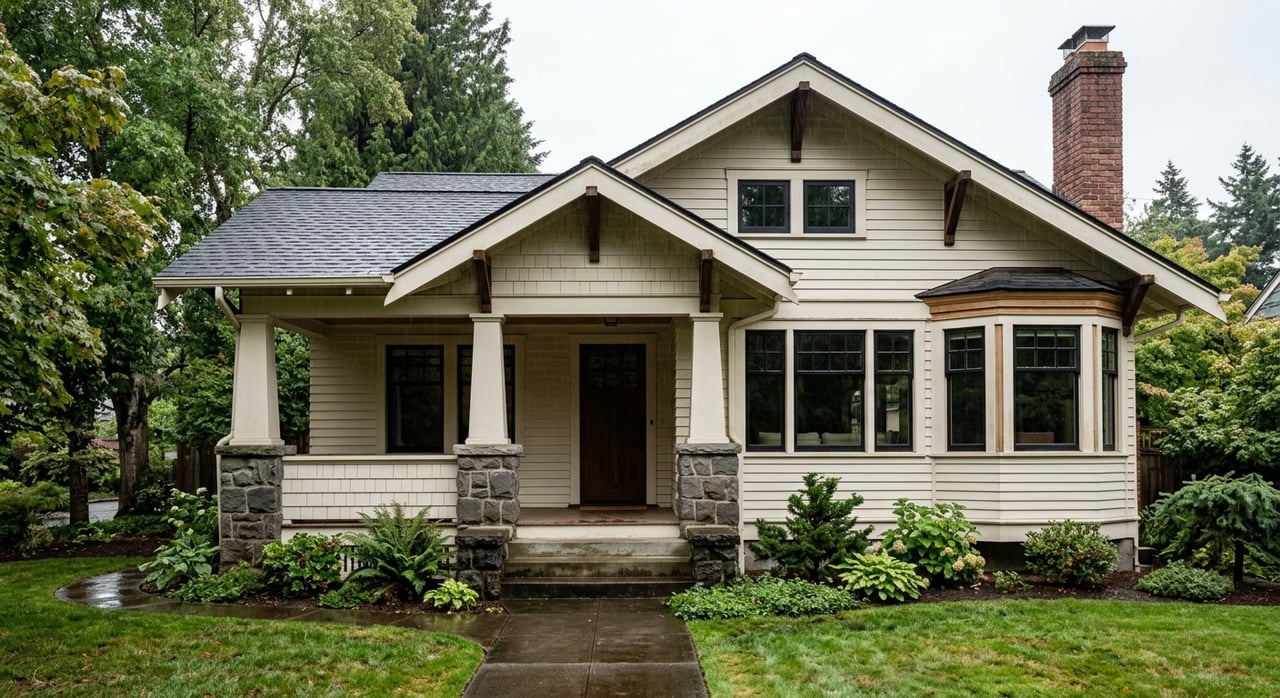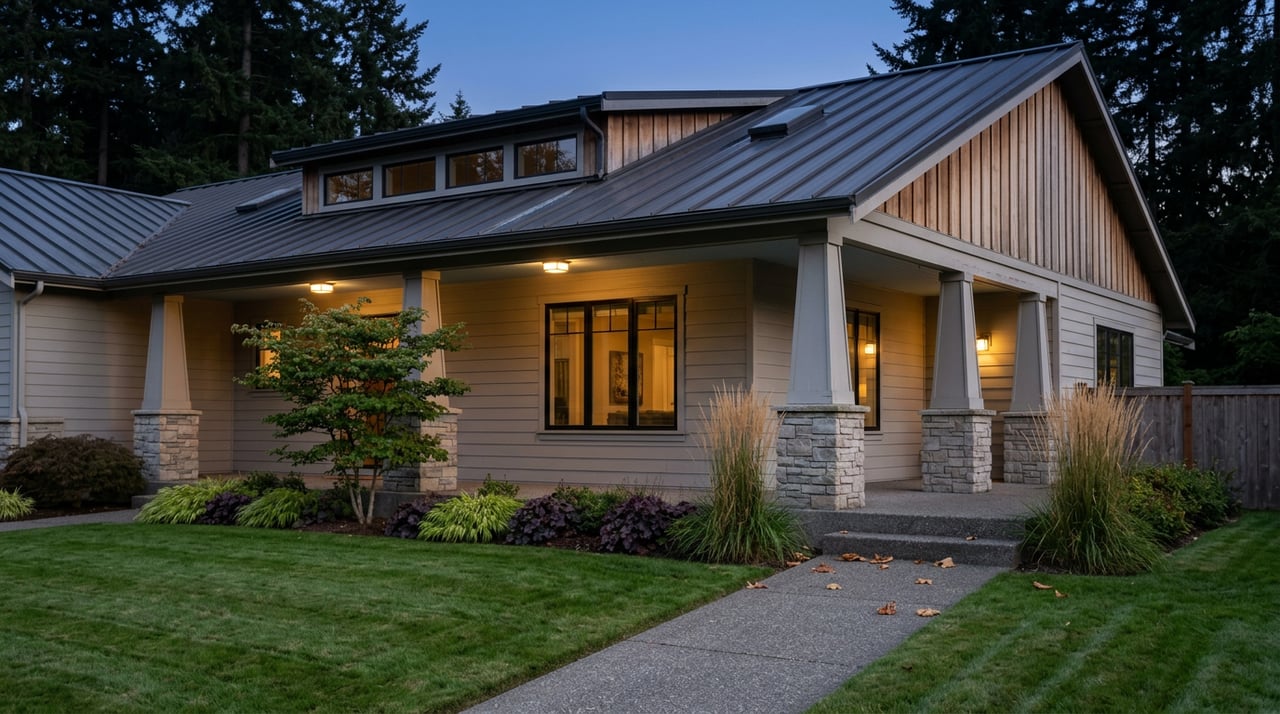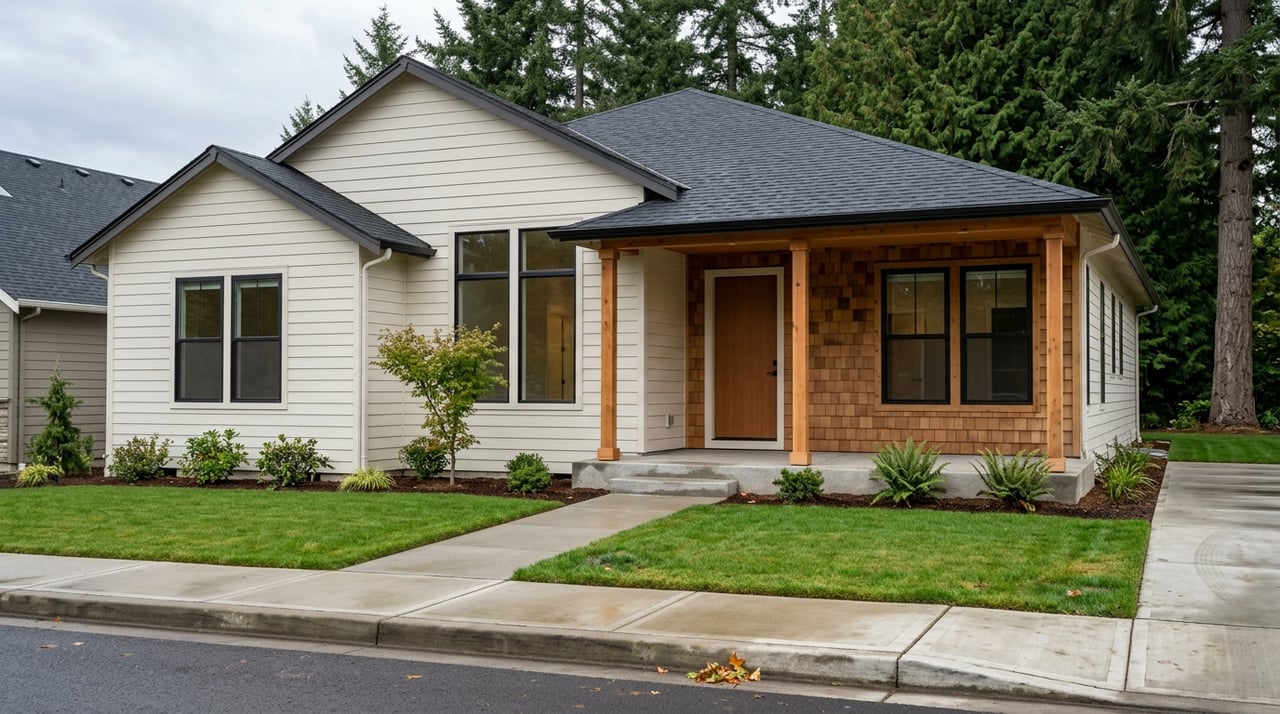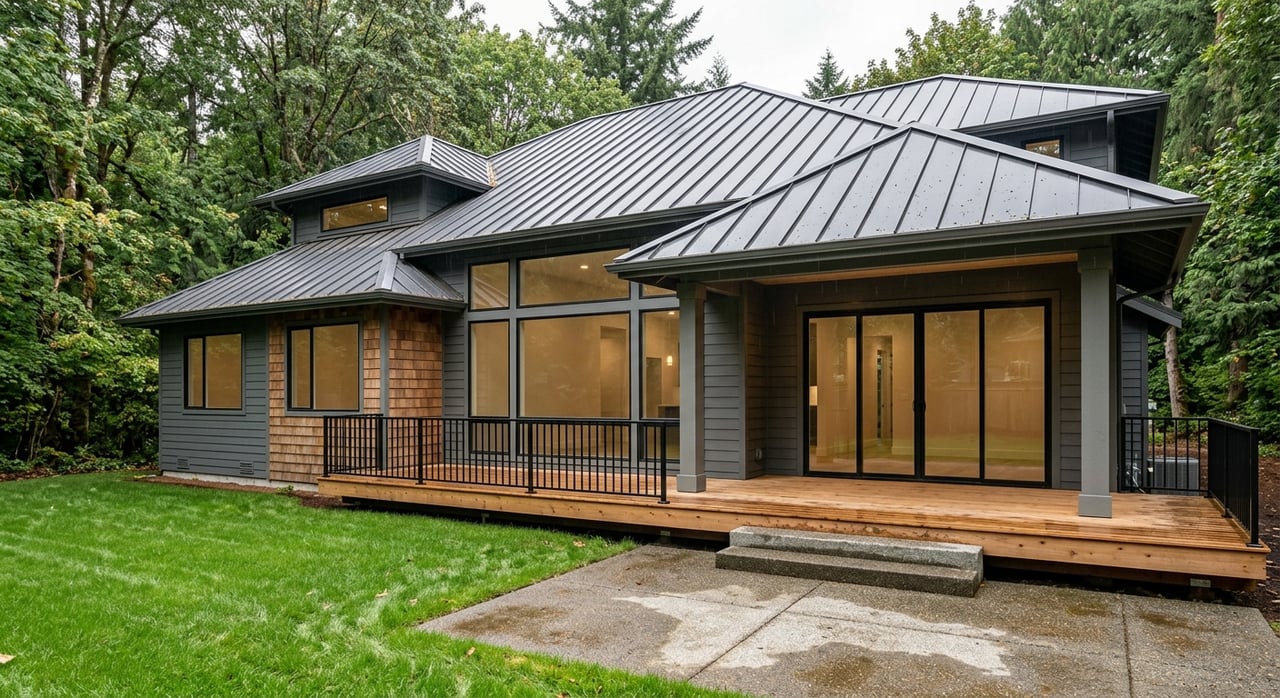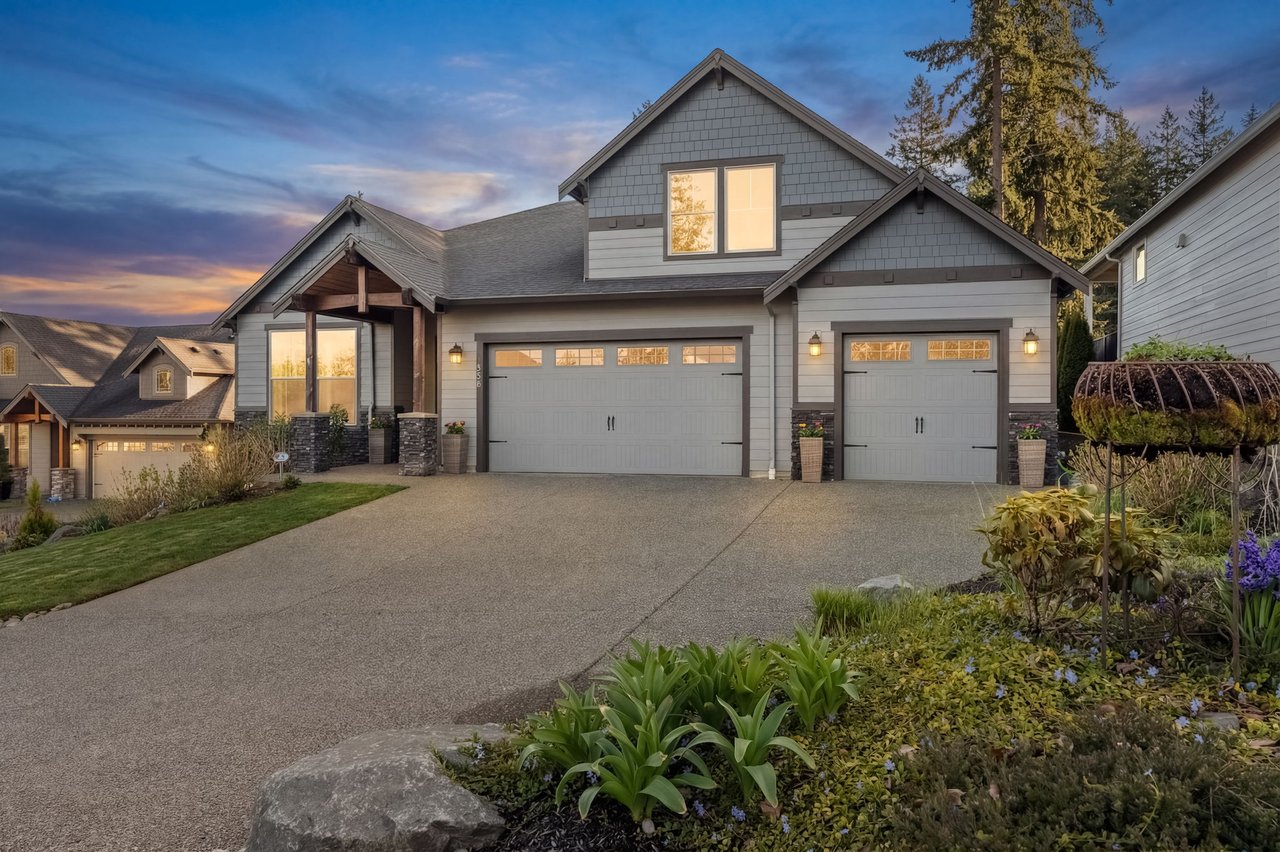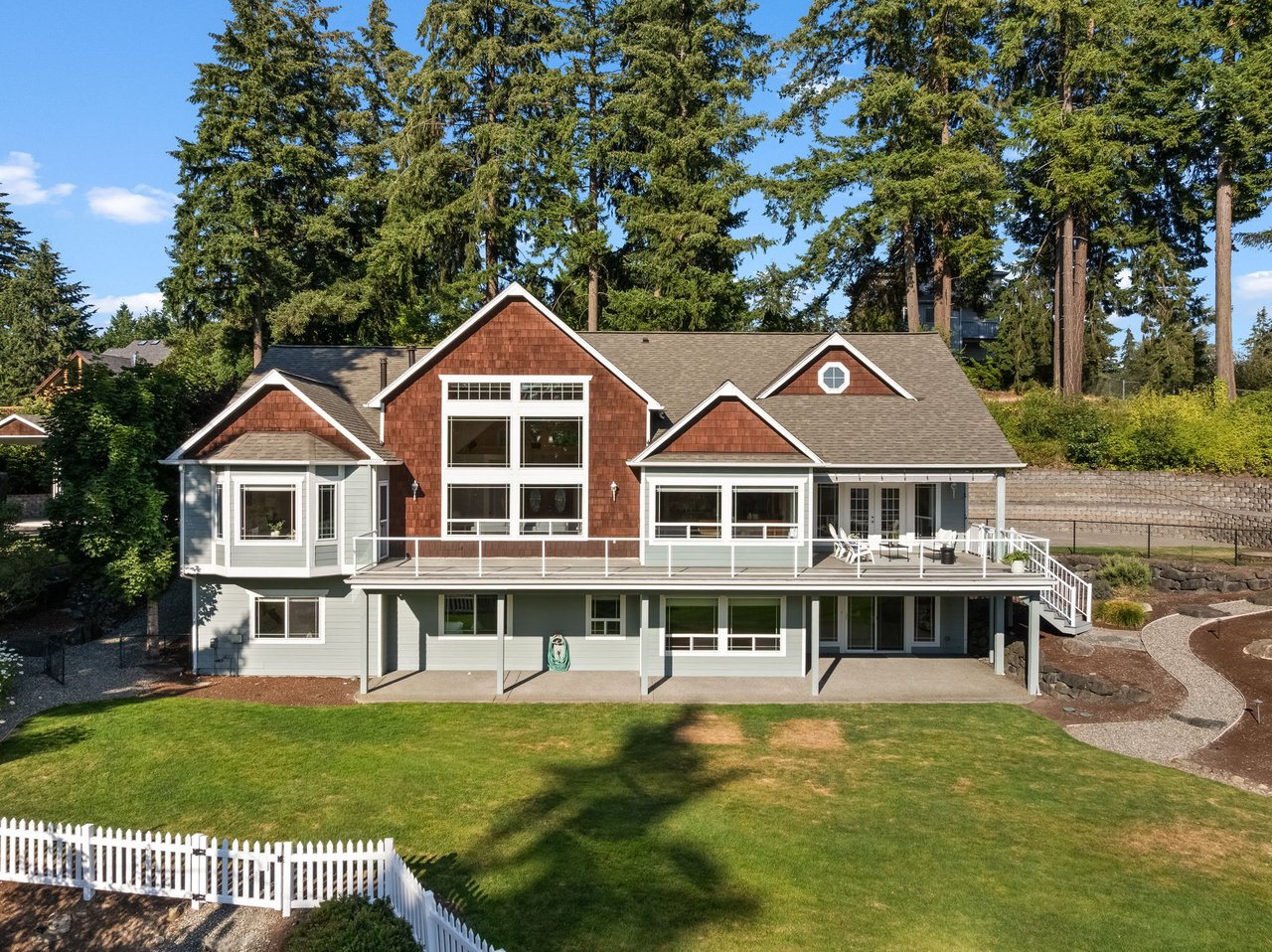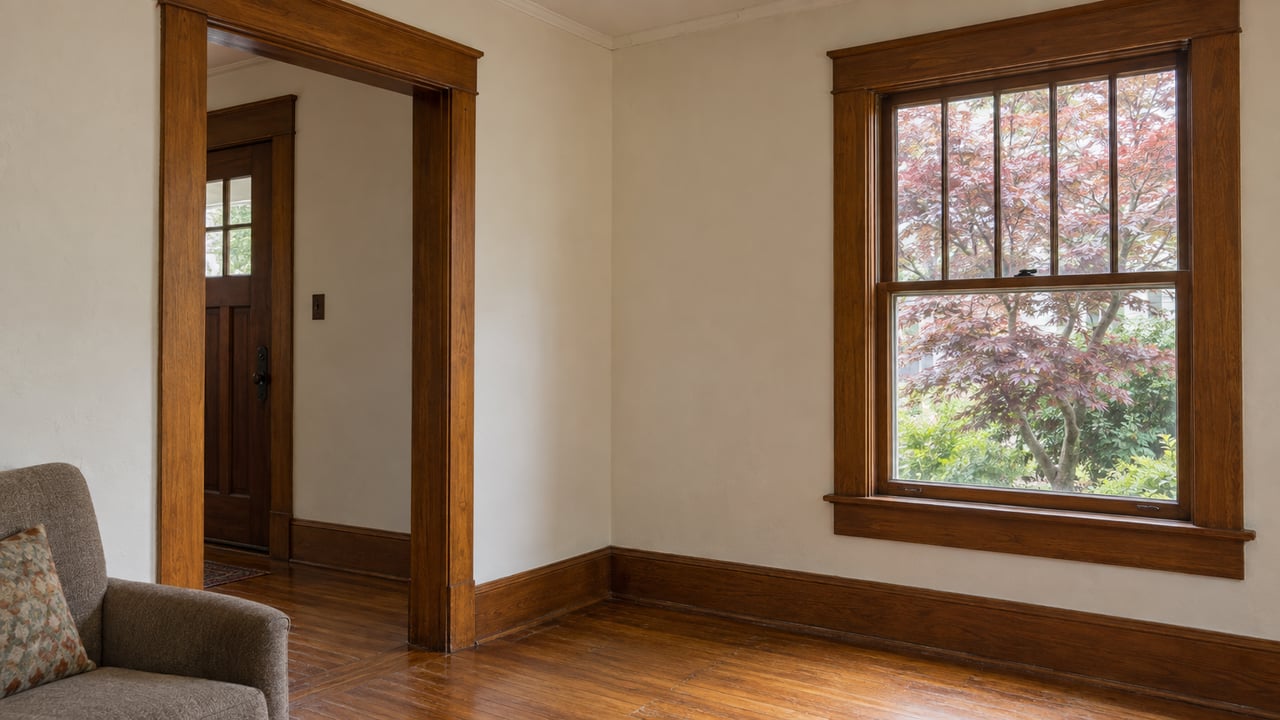
Buyers touring Proctor's Craftsman bungalows and Tudor cottages tend to arrive with a working theory: this is a historic neighborhood, so someone is watching the windows, the siding, the roofline. A design review board, a landmarks commission, some binding promise that the streetscape can't change out from under a new owner. It's a reasonable guess. It's also mostly wrong.
Proctor itself carries no local historic district designation. No Landmarks Commission reviews your window replacements. No design guidelines govern your siding choice. The city studied the neighborhood's building stock in a Proctor District Survey and Inventory Report back in December 2019, which is the kind of document that precedes a designation, not the kind that grants one. Nothing since has moved it further. What actually controls a Proctor renovation is the same building permit process that governs any other Tacoma address, plus whatever a home's wiring, plumbing, and sewer line are quietly telling an inspector before closing.
That gap between what the neighborhood looks like and what the neighborhood is legally required to stay looking like is worth understanding before you write an offer, and worth explaining honestly if you're the one selling.
The Overlay That Isn't There
Tacoma has nine recognized historic districts, but only four of them carry local Tacoma Register status with actual design review authority: Wedge Neighborhood, North Slope, Old City Hall, and Union Depot/Warehouse. A handful of others, including Stadium/Seminary, Salmon Beach, South J Street, and Buckley's Addition, sit on the state or national registers only. According to the city's own historic preservation page, development activity inside those state-and-national-only districts is largely unaffected by the listing itself, with demolition as the one exception that triggers extra review.
A National Register listing is closer to an honorific than a permit requirement. It documents that a place matters historically. It does not, on its own, tell a homeowner what siding to use or whether a rear addition needs a hearing.
Local designation is the version with teeth. North Slope got there in 1994, expanded its boundaries in 1996 and 1999, and added state and national register status in 2003. It now covers something like 950 properties, one of the largest historic districts in the country, and its design guidelines actually govern height, scale, massing, exterior cladding, roof shape, window materials, and more for any exterior work that needs a building permit.
Proctor has neither the local designation nor, unlike its immediate neighbor, even a national one.
What Happened Next Door
College Park, the neighborhood tucked against Proctor near the University of Puget Sound, landed on the National Register in 2017. The district covers roughly 125 acres and 582 primary buildings, 509 of them contributing, with architecture running from Queen Anne through Colonial and Tudor revivals to Craftsman, built mostly between 1890 and 1960.
In May 2021, residents petitioned the city for something stronger: a local historic overlay that would have added real design review to that National Register status. The Landmarks Preservation Commission reviewed it. The Planning Commission reviewed it. On November 2, 2022, the Planning Commission voted to deny the local designation, citing tension between the proposed district's preservation rules and the city's broader housing density policy. The following year, the Planning Commission moved to pause new historic district nominations altogether.
The practical upshot for anyone shopping this part of North Tacoma: the neighborhood right next to Proctor tried to get the kind of protection buyers assume Proctor already has, and the city said no. If you're picturing a design review board standing between a future owner and a vinyl-window swap, that board doesn't exist here either.
A National Register listing tells you a place has history. A local Tacoma Register designation tells you what a future owner is and isn't allowed to do to it. Proctor has neither. College Park has only the first.
If you want to check a specific address rather than take a neighborhood's reputation on faith, the city's Historic Property Locator and Historic Inventory tools, both hosted through tacomapermits.org, let you look up any parcel's actual status before you assume anything about it.
What Actually Gates the Remodel
None of this means a Proctor renovation is unconstrained. It means the constraint sits behind the plaster instead of in front of a commission.
Most of Proctor's housing stock dates to the streetcar era, roughly 1900 to 1930, which puts it squarely in knob-and-tube territory: original wiring, undersized fuse panels, and supply lines that predate copper. Tacoma Power, not the City of Tacoma, is the authority here. In its own service territory the utility issues the electrical permits and performs the inspections itself, one of the few arrangements of its kind in Washington. Its published knob-and-tube inspection requirements spell out what a licensed electrician has to confirm and file before insulation can go over old wiring, and the utility runs some of the region's stronger electrification rebates for homeowners doing the work.
Knob-and-tube wiring isn't automatically dangerous. It's also ungrounded, its insulation grows brittle with age, it can't safely sit under modern attic insulation without that inspection sign-off, and enough insurers surcharge or decline coverage on homes still running active knob-and-tube that it shows up as a financing conversation before it shows up as a code violation. A comparable full rewire on a similar-era Craftsman bungalow, in a market with the same building period as Proctor's, commonly lands in the low five figures depending on size and access. That's a number worth having in hand before you write an offer, not after your lender's underwriter asks about it.
The Plumbing Bill Nobody Mentions at the Open House
Wiring gets the attention. Pipe is the quieter cost.
Original galvanized steel supply lines are common in this vintage of home, and they corrode from the inside, narrowing over decades until water pressure drops and, in a house that's sat vacant before a showing, the water can run faintly discolored. According to local plumbing pricing data, a full repipe on a home with original galvanized lines commonly runs $6,000 to $12,000. Low water pressure in a Proctor Craftsman or Tudor built in the 1910s through 1930s is frequently a supply-line problem rather than a fixture problem, which matters because a plumber unfamiliar with the neighborhood's plumbing era can misdiagnose it and treat the wrong thing.
The sewer line is the other line item. Pre-1950 homes in Proctor and the surrounding North End sometimes still run on Orangeburg pipe, a wood-pulp and tar composite the industry used before clay and PVC took over, and it fails from the inside as it ages. A $300 to $500 sewer camera inspection before closing can catch root intrusion or a failing Orangeburg run before it turns into a $6,000-plus excavation. Winter adds its own seasonal pressure: the first hard freeze of the year, usually landing sometime between late November and mid-January, reliably triggers a spike in frozen and burst pipe calls in older Proctor and North Slope homes where crawlspace lines were never insulated to modern code, because the region's marine climate makes true cold snaps rare enough that homeowners get caught off guard by them.
None of this is unique to old houses in general. What's specific to Proctor is which systems you're likely to find, in what condition, and who has legal authority over fixing them.
What the Premium Is Actually Buying
Proctor is not a discount neighborhood, and none of the above has slowed demand for it. As of June 30, 2026, active Proctor listings carried a median list price of $749,999 and averaged $381.73 per square foot, with homes spending an average of 47 days on market. Tacoma citywide, the median sale price over the three months ending June 2026 sat at $500,000. Proctor is trading roughly 50 percent above the city's overall median, and the North End's early-1900s Craftsman and Tudor character has been described as carrying some of Tacoma's most durable buyer demand, particularly among relocation buyers coming from Seattle who recognize that housing profile on sight.
That premium is buying a look: mature street trees, front porches, gables, a business district built around the Blue Mouse Theatre, which opened in 1923 and has been on the National Register since 2010 as the oldest continuously operating movie theater in the state. It is not buying a legal guarantee that the block stays this way. The charm holds because owners choose to maintain it and the market rewards that choice, not because a commission requires it. That's worth knowing whether you're the buyer paying for the character or the seller pricing a home into it.
A Few Questions Worth Answering Directly
Is my Proctor address in a historic district? Almost certainly not a locally designated one. Proctor itself has no Tacoma Register special review district. If you want certainty on a specific parcel, the city's Historic Property Locator tool will confirm it.
Does being near a National Register district like College Park affect my renovation plans? Only if your property sits inside that district's boundary, and even then the restriction is minimal since the local designation bid was denied in 2022. National Register status alone doesn't require design review for private renovation work.
Who actually inspects electrical work in Proctor? Tacoma Power, not the city. It issues the permits and performs the inspections in its own service territory, which surprises buyers used to a single municipal permitting office.
What should I budget for an older Proctor home beyond the purchase price? A sewer camera scope in the few hundred dollar range is cheap insurance against a five-figure surprise. Galvanized repiping and full electrical rewires are the two line items most likely to move a negotiation, and both are worth pricing before your inspection window closes, not after.
If you're weighing a Proctor bungalow against what it will actually cost to bring current, I'd rather walk the inspection report with you before you're locked into a timeline. Catt Johnson books these conversations by call, and the wiring and pipe questions are exactly the kind worth asking early.