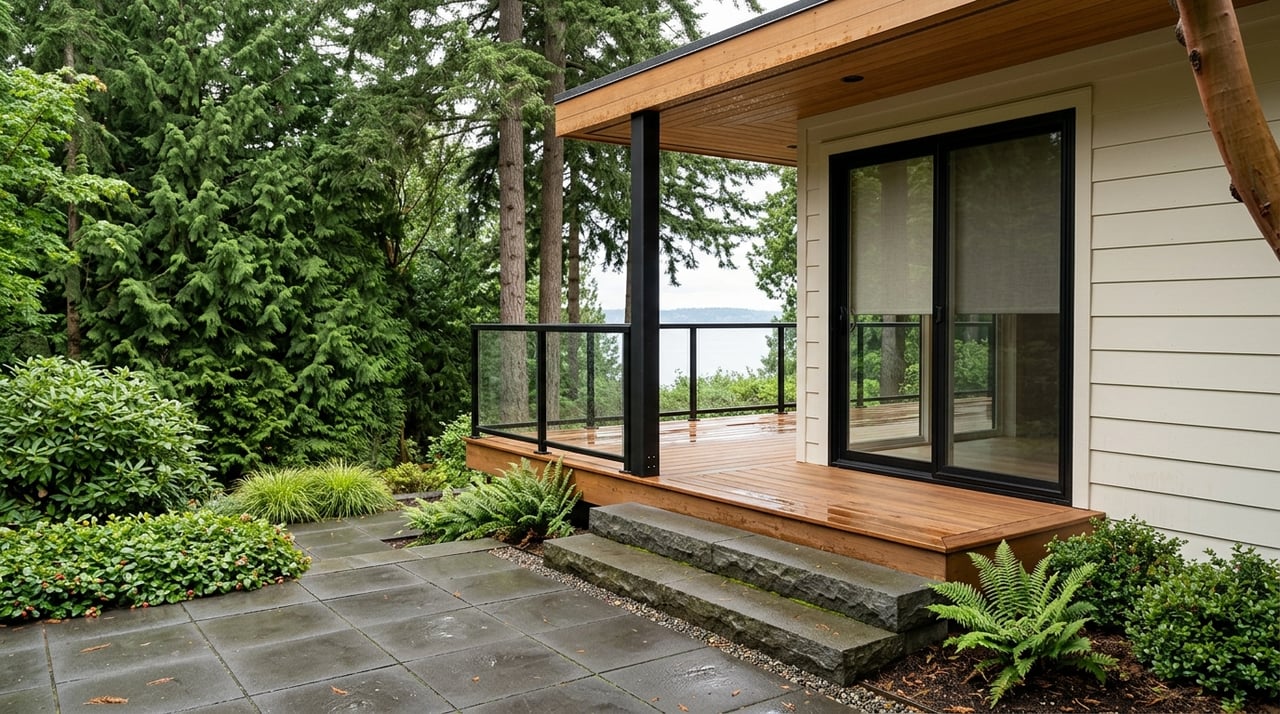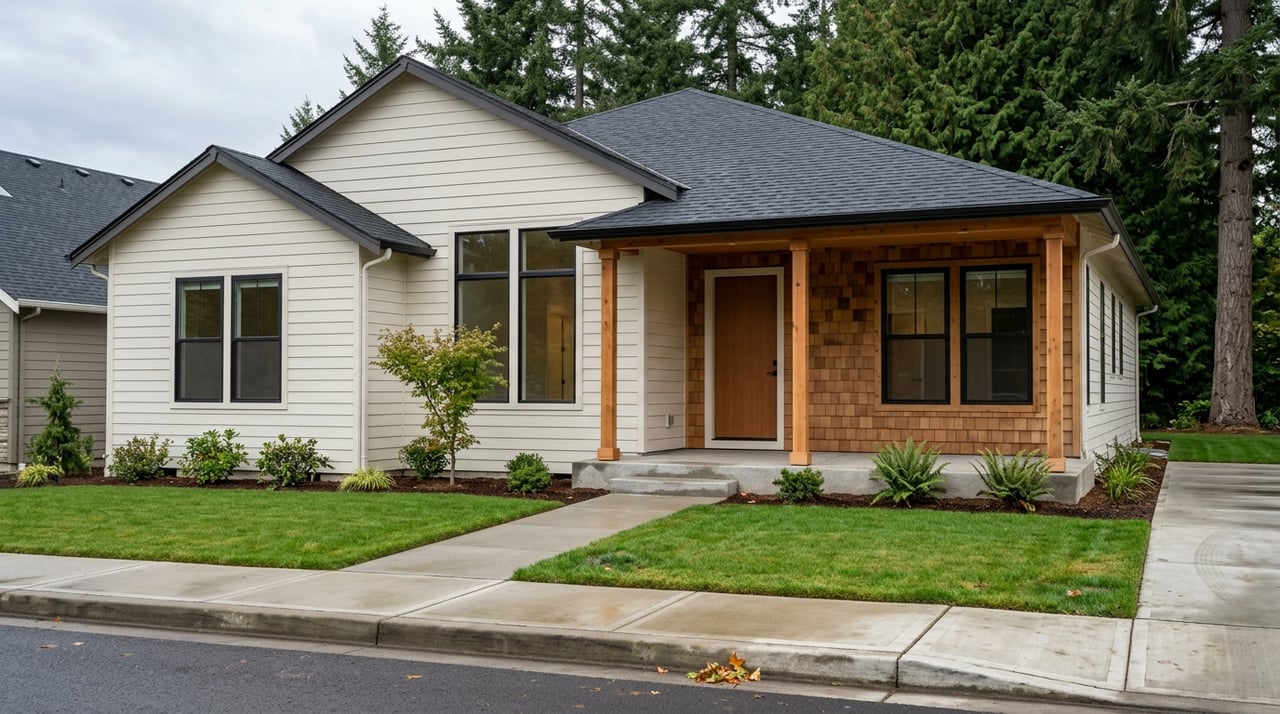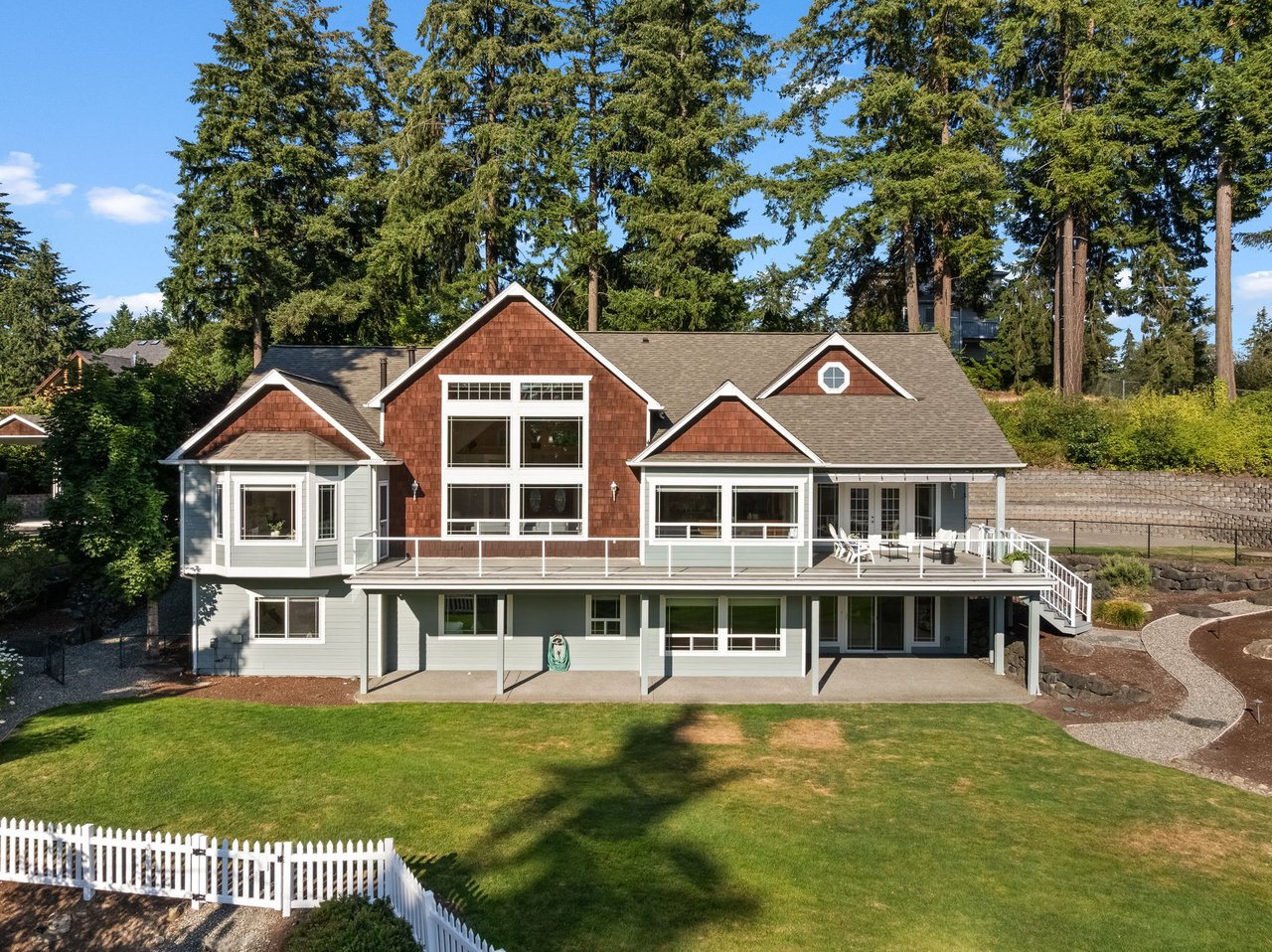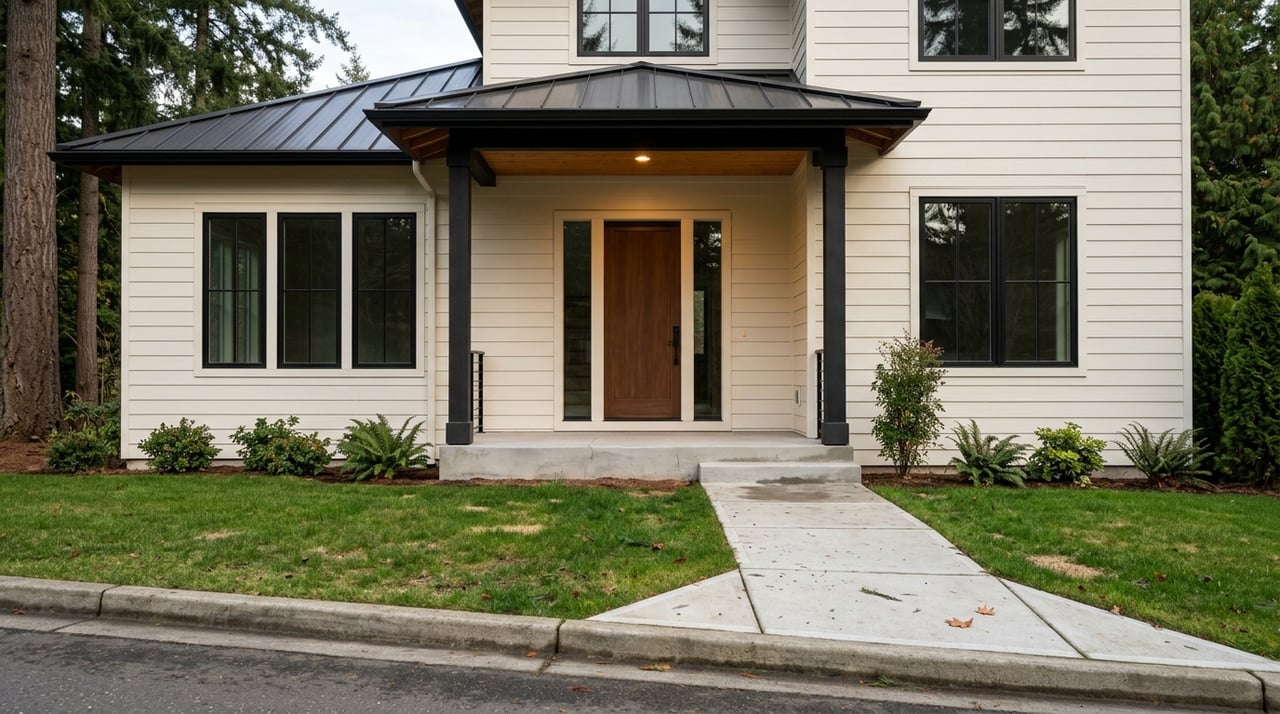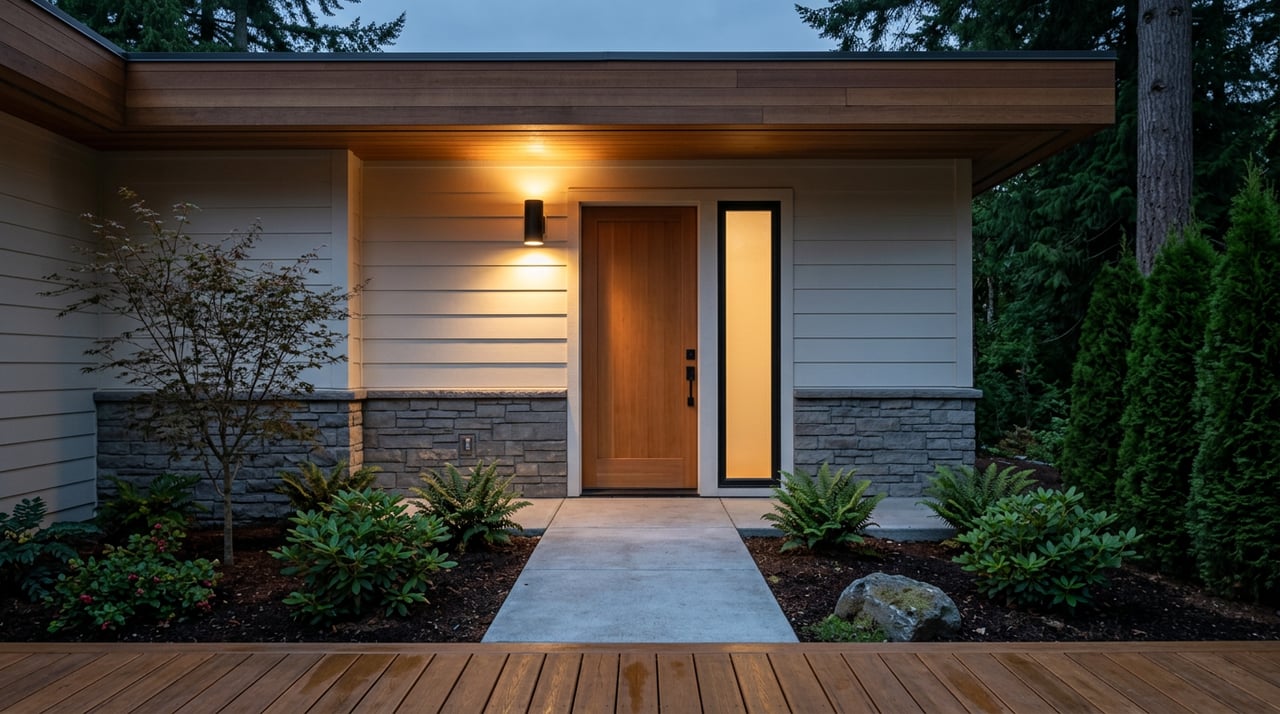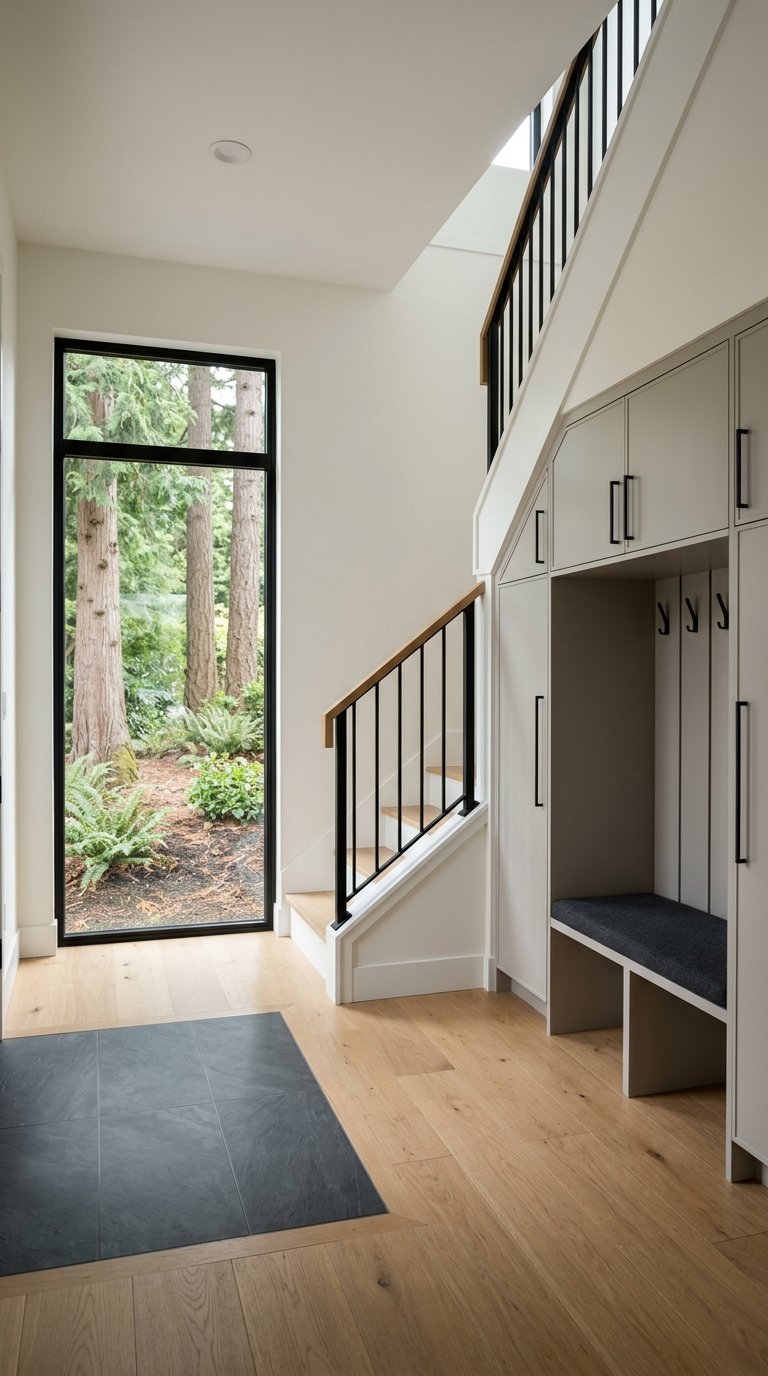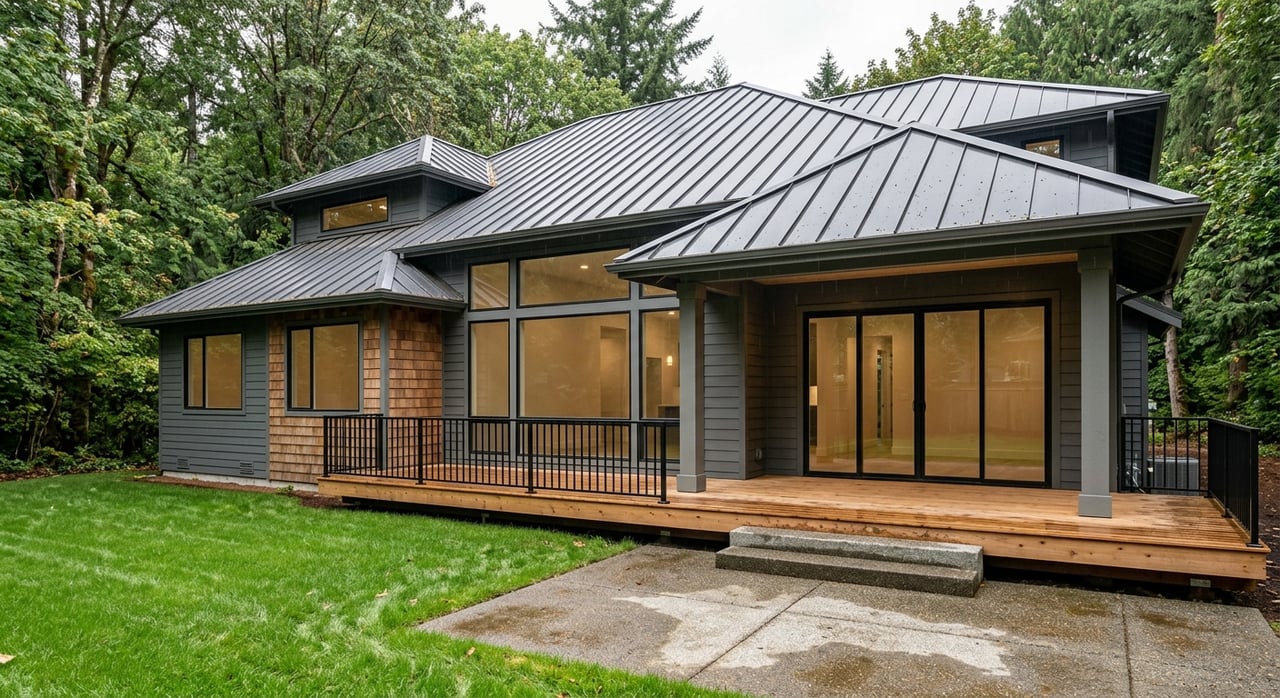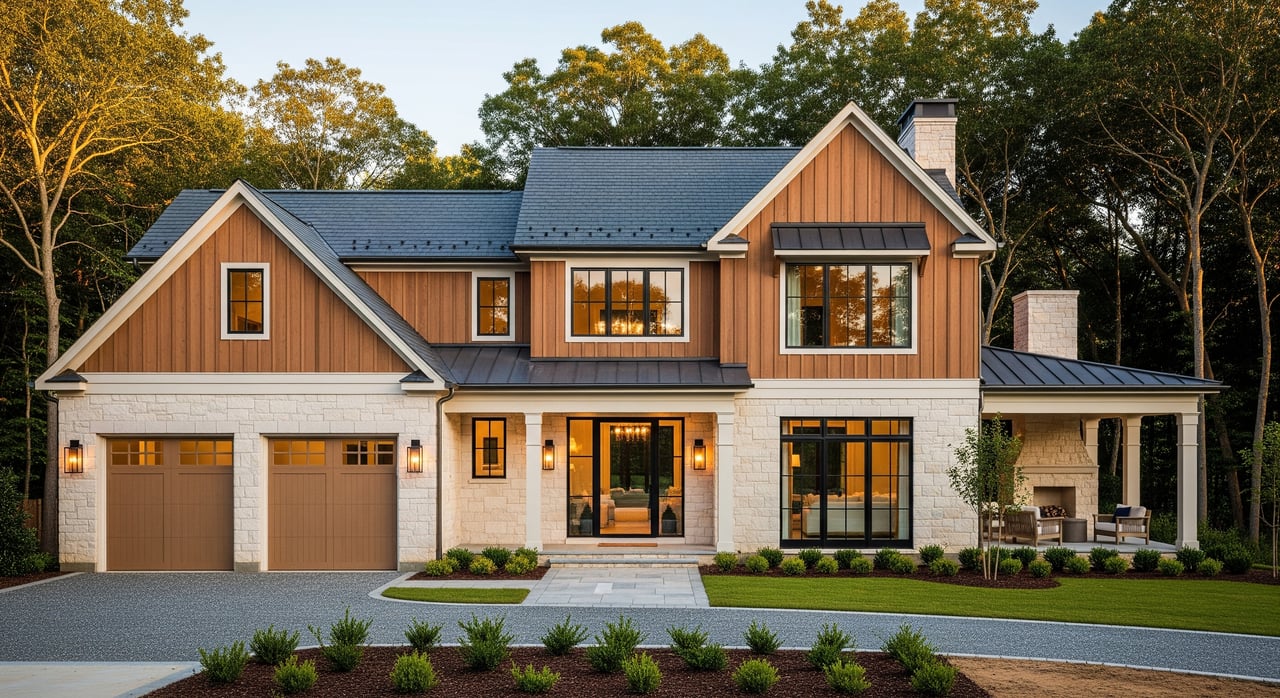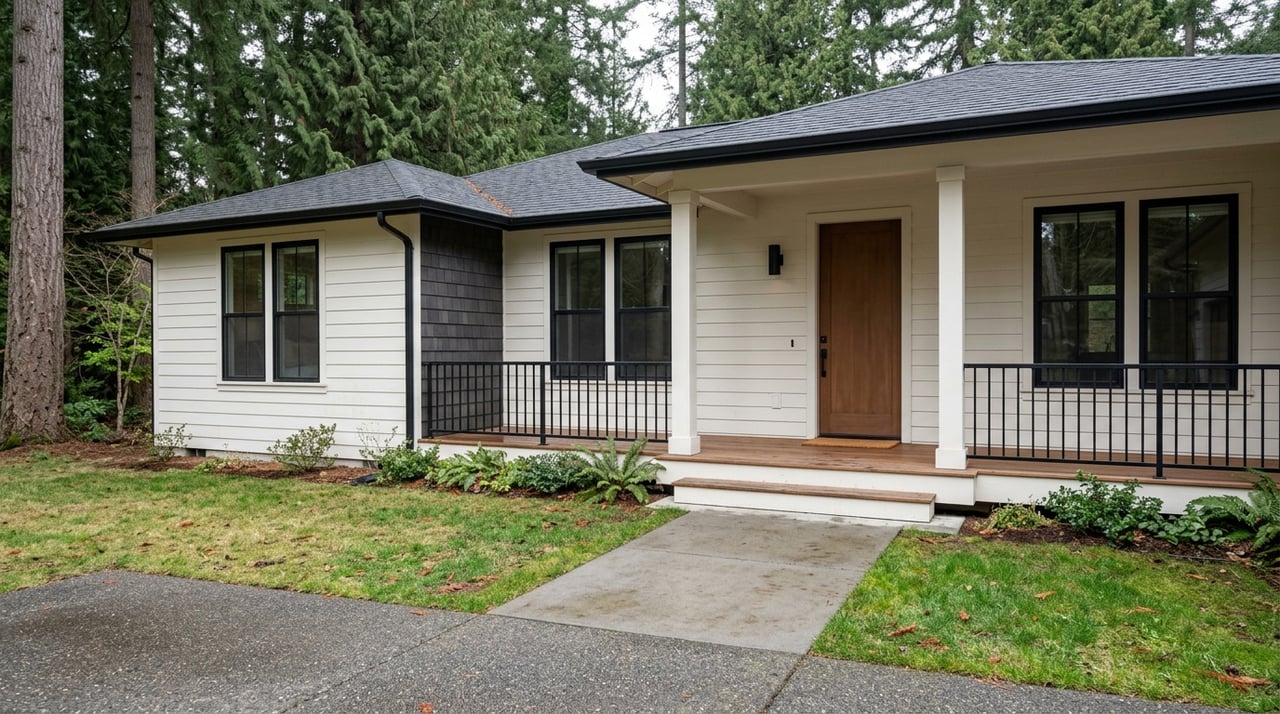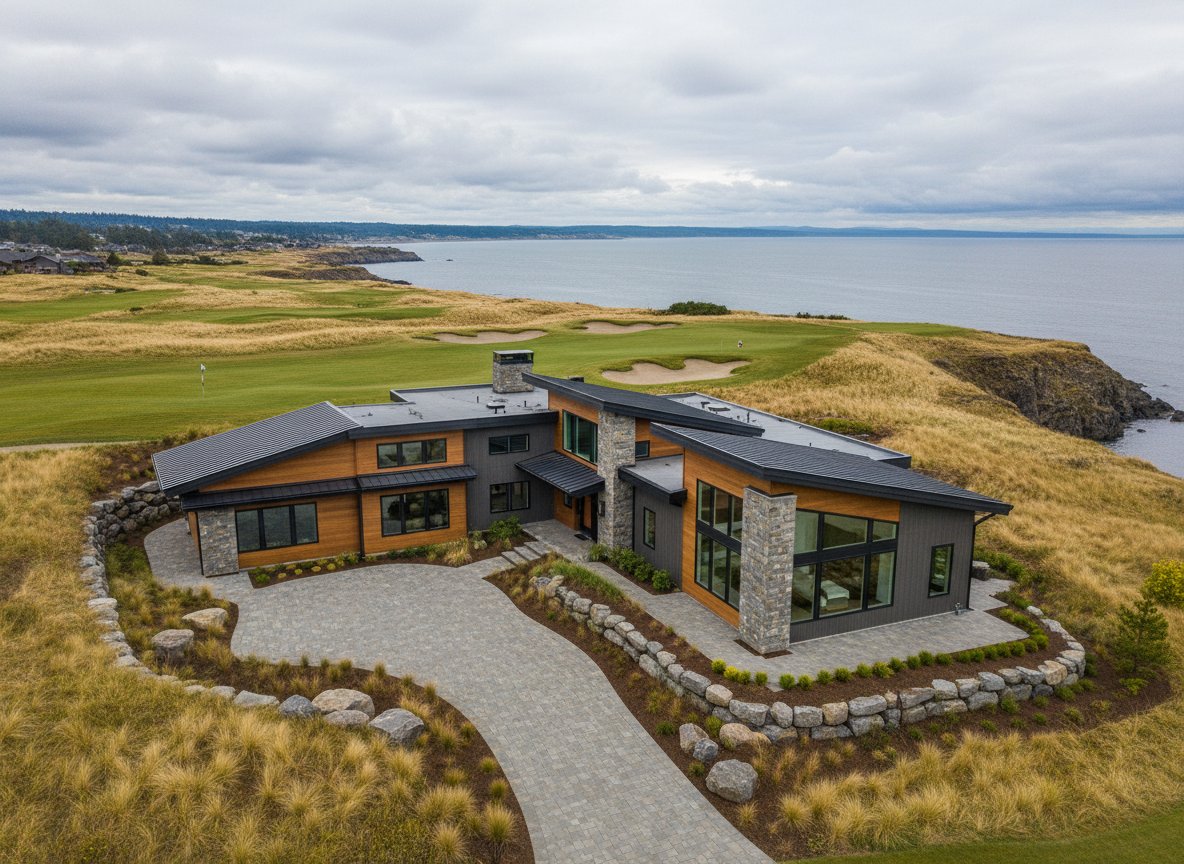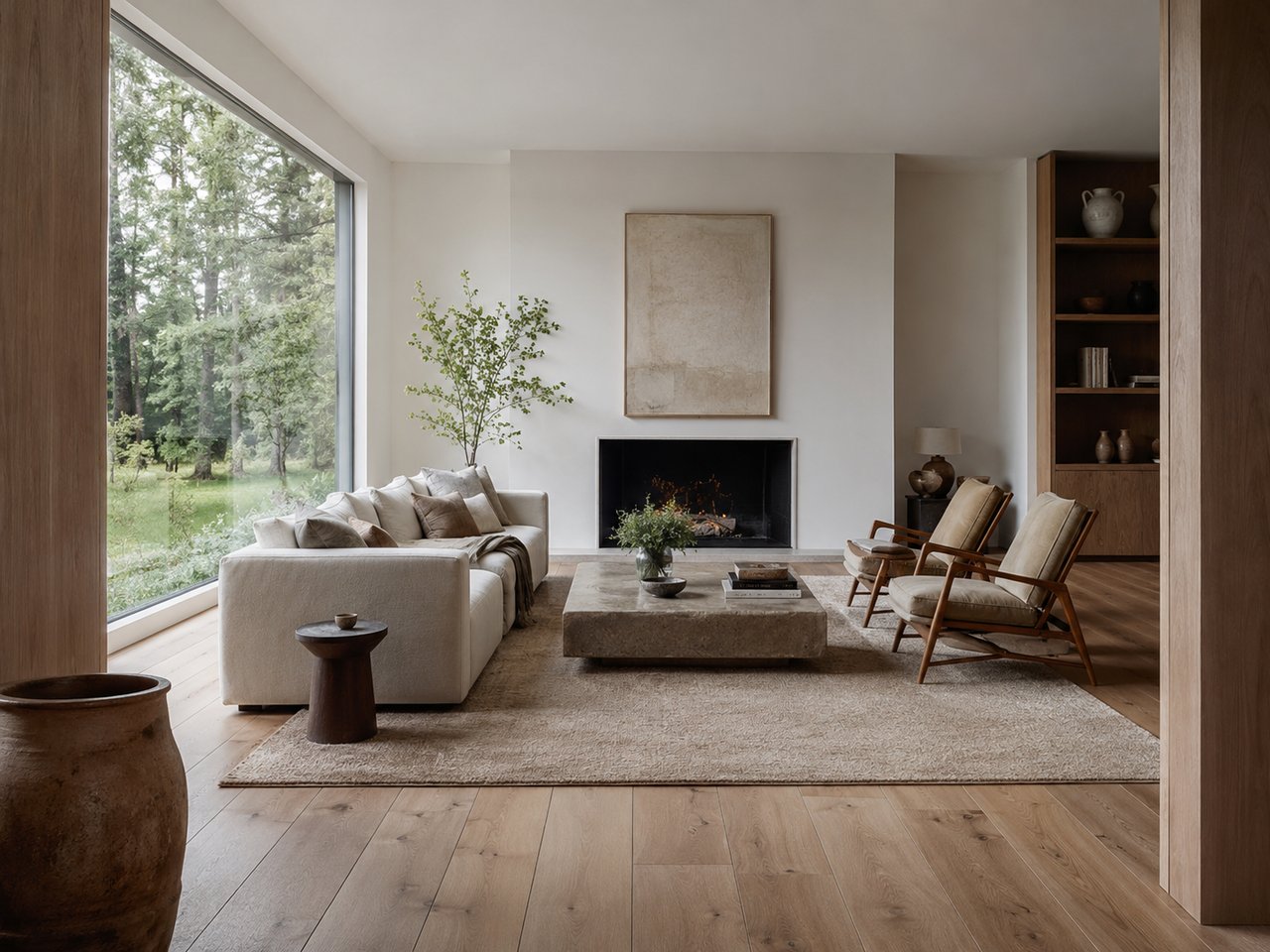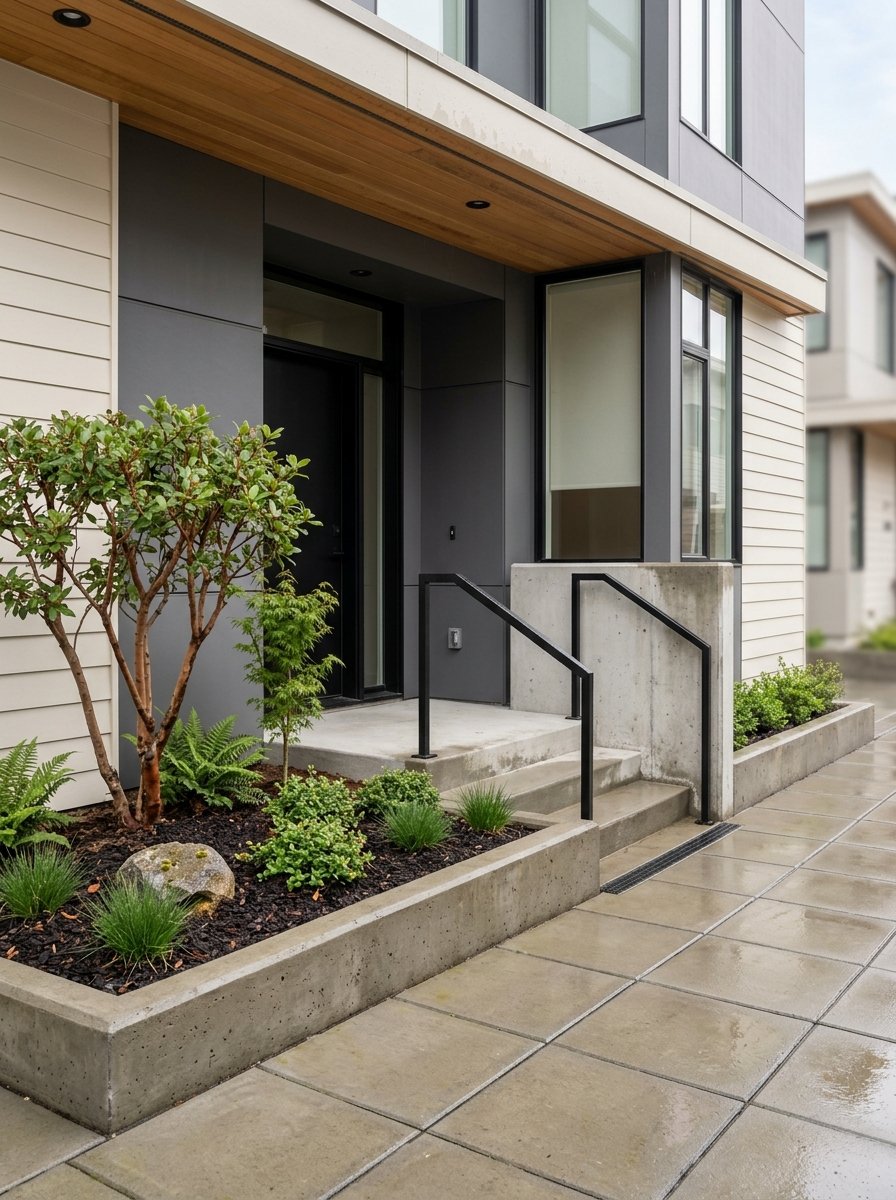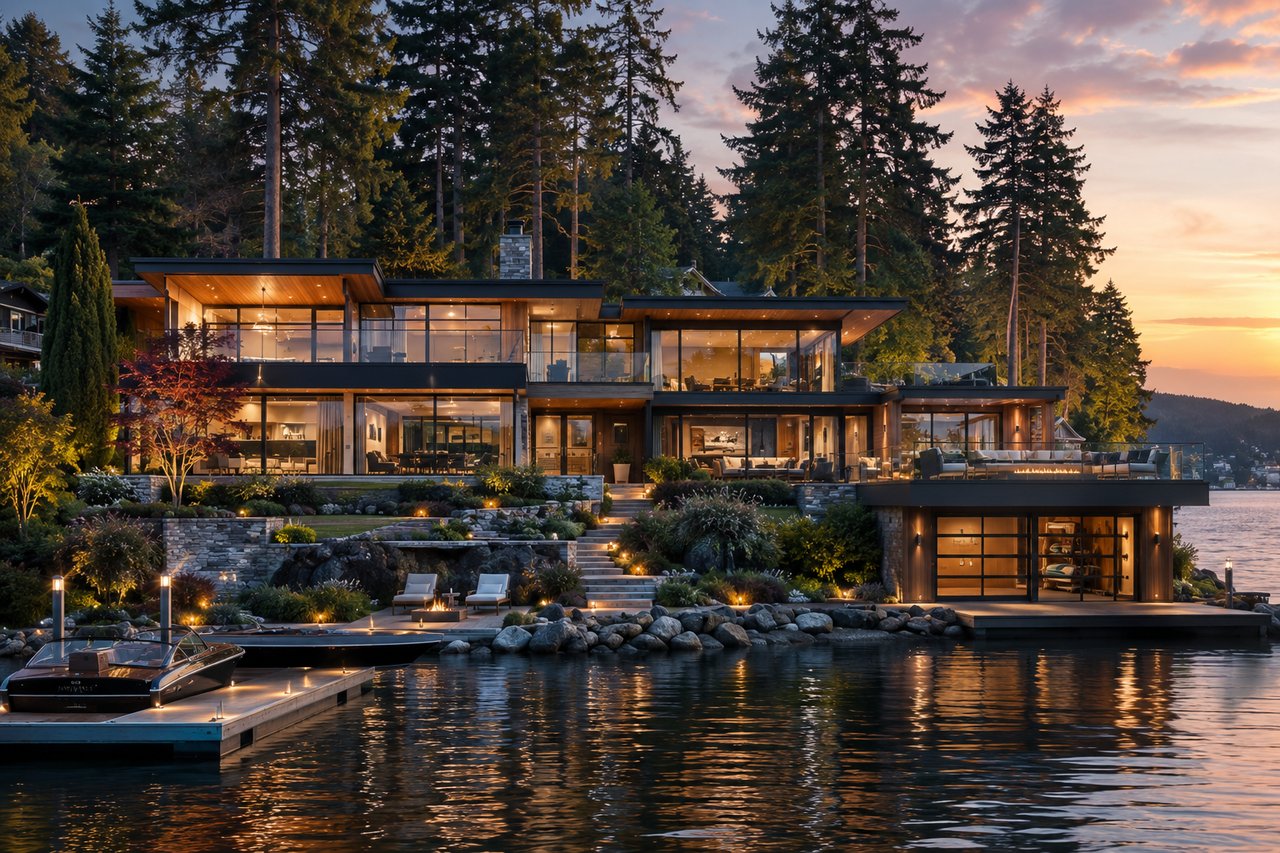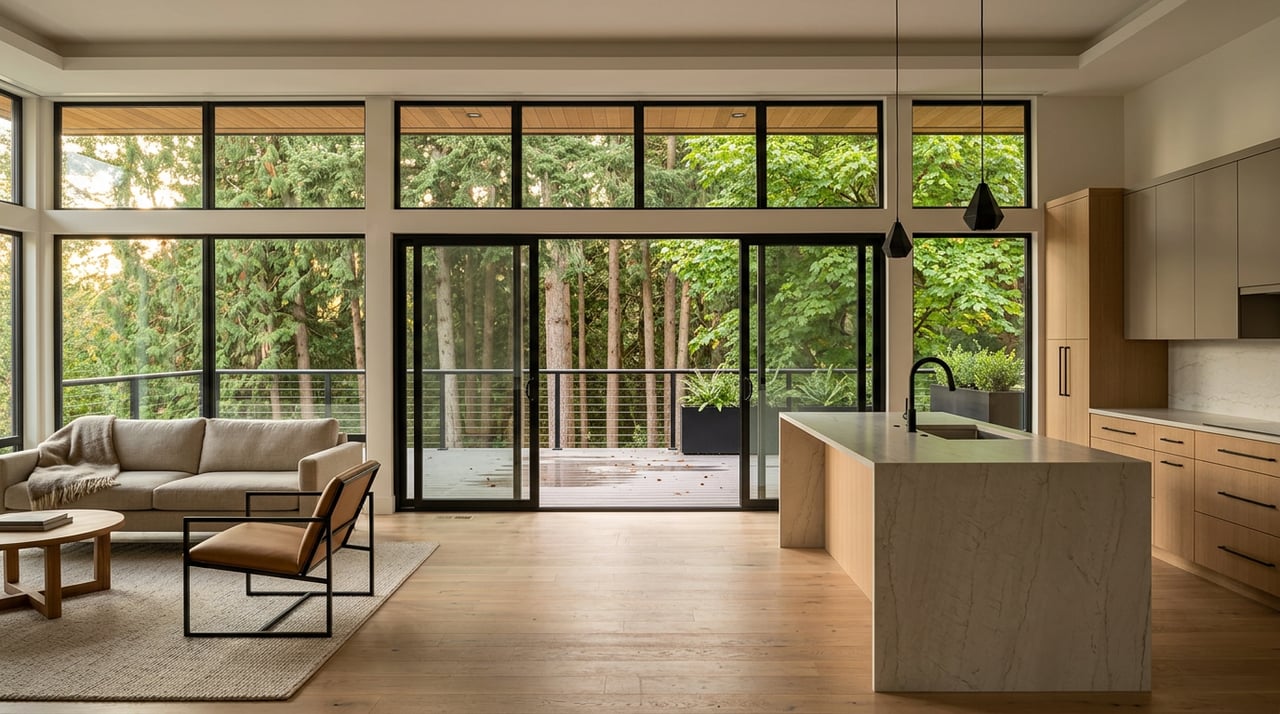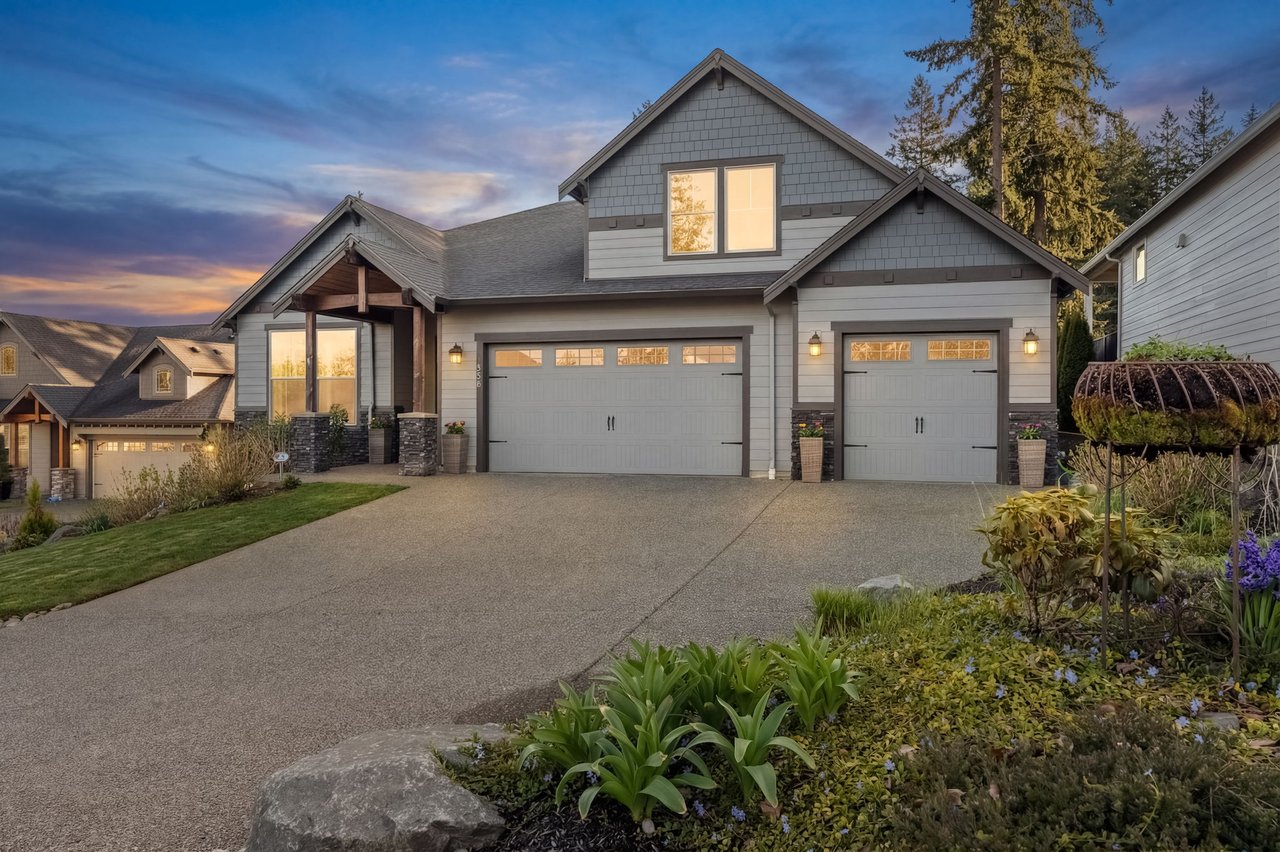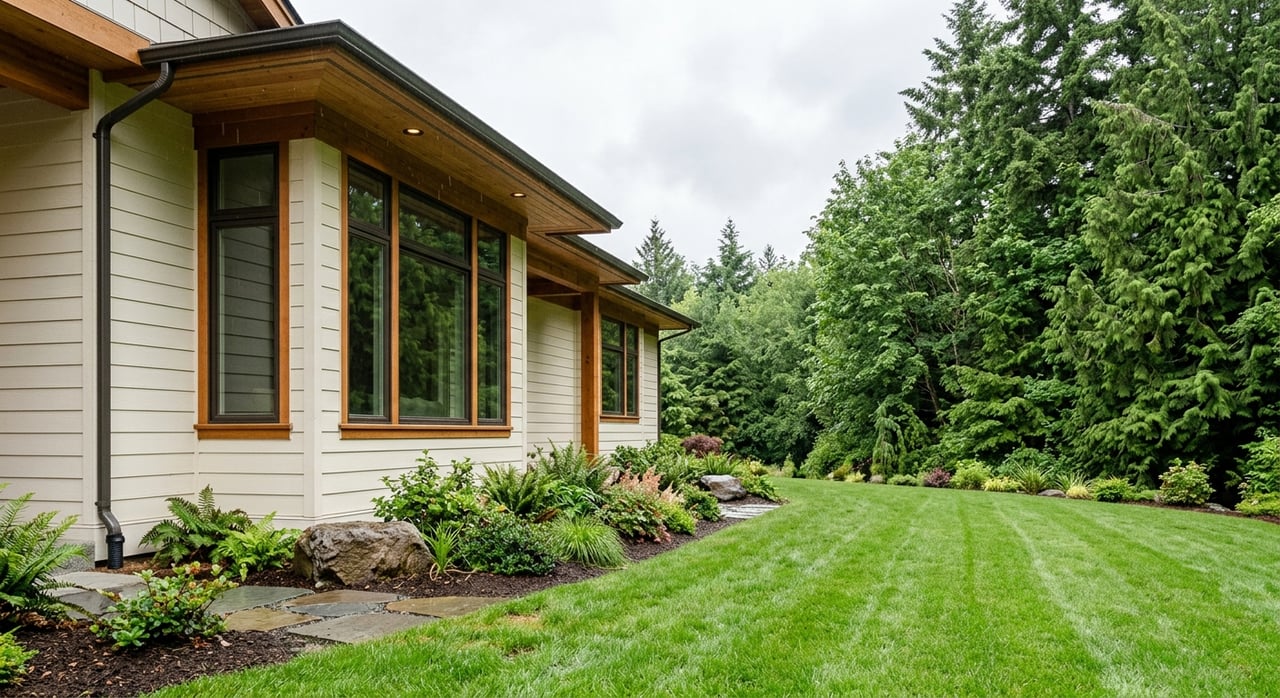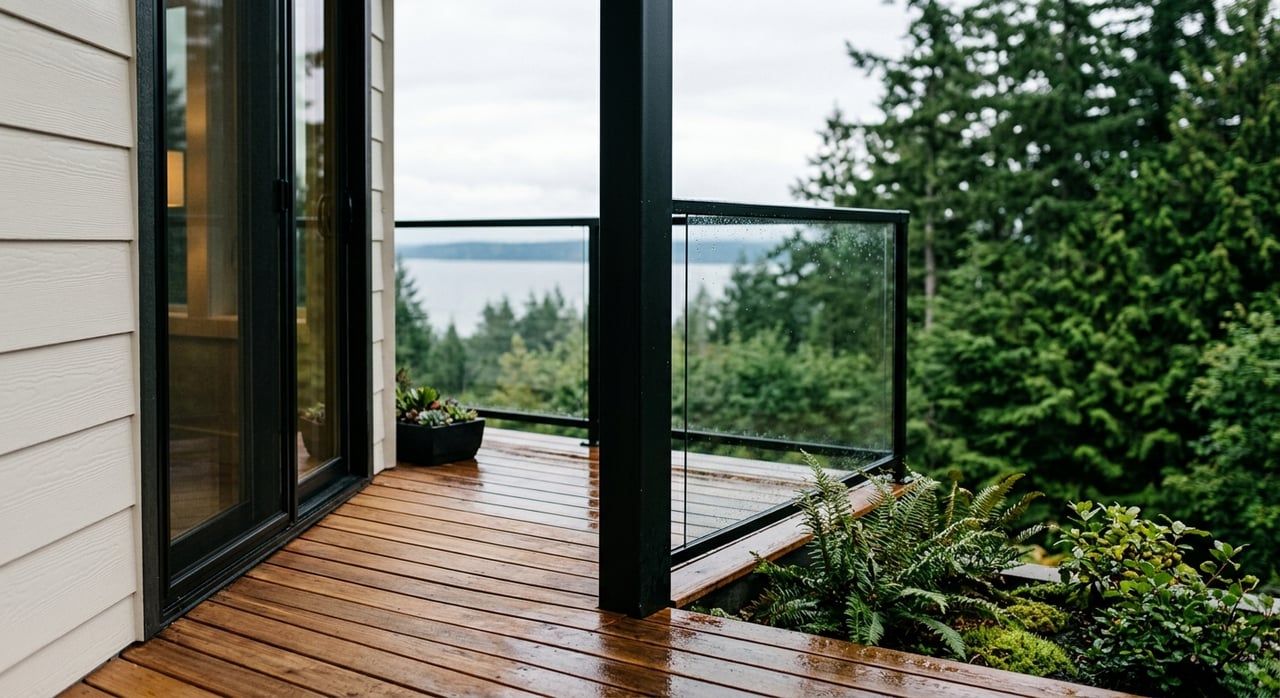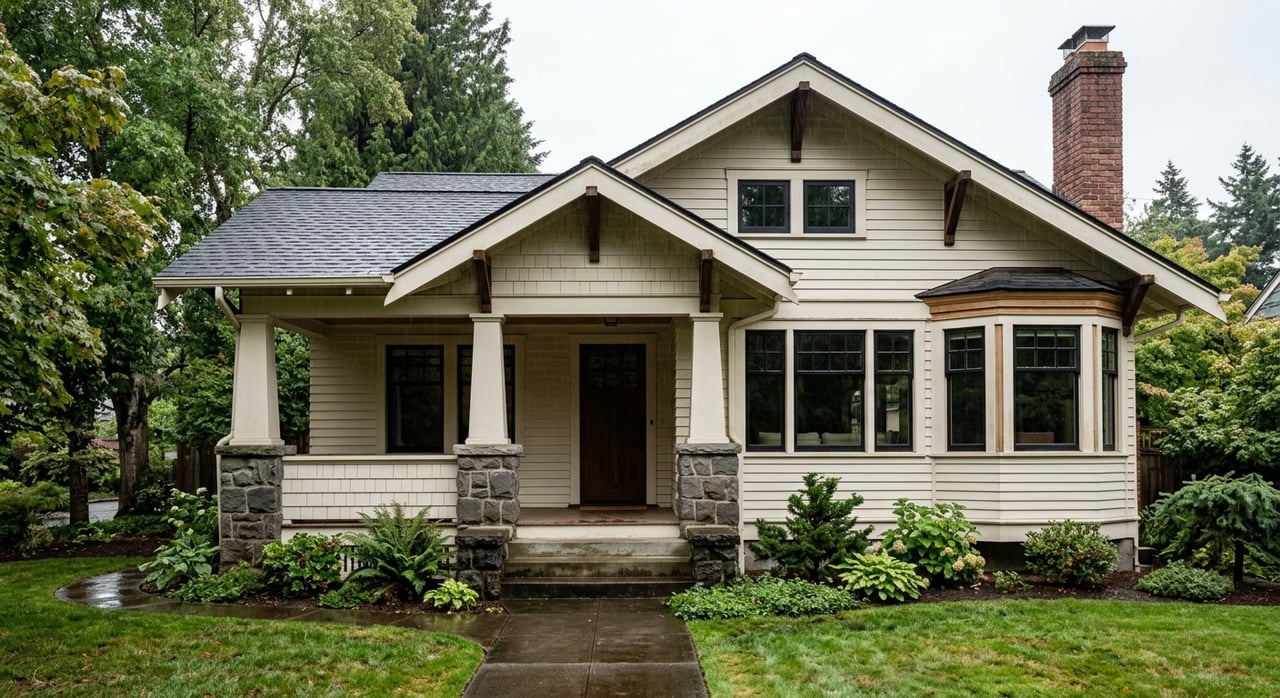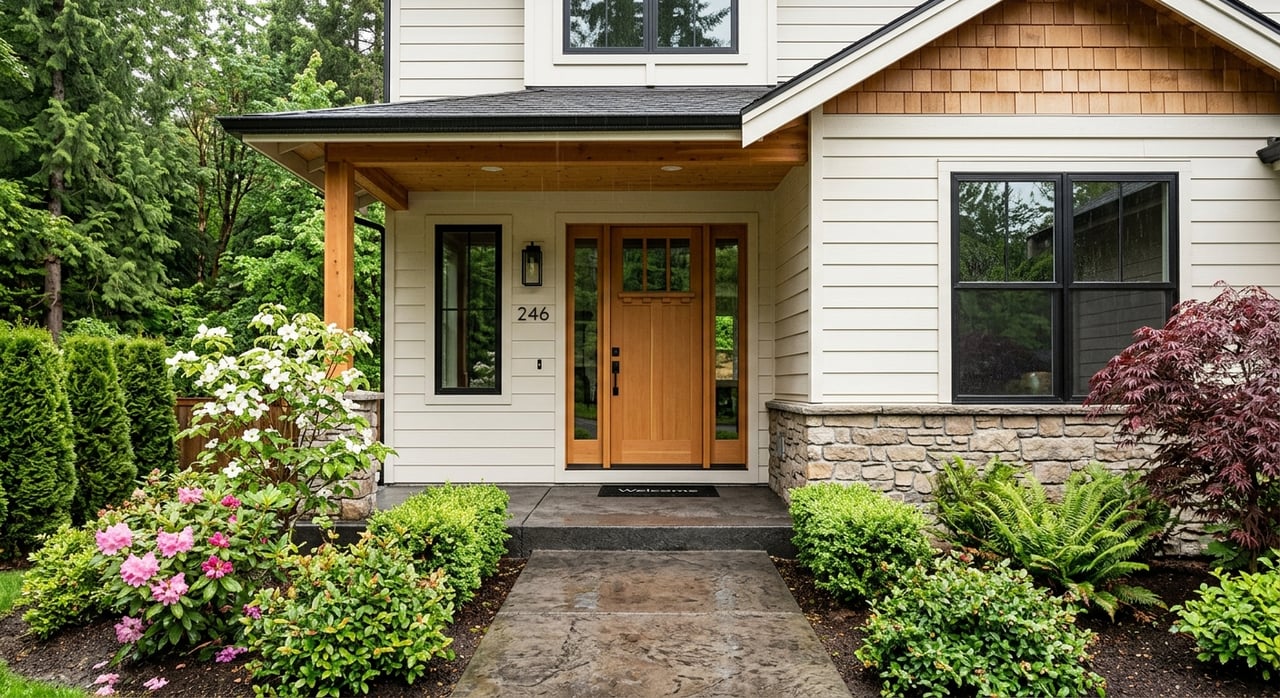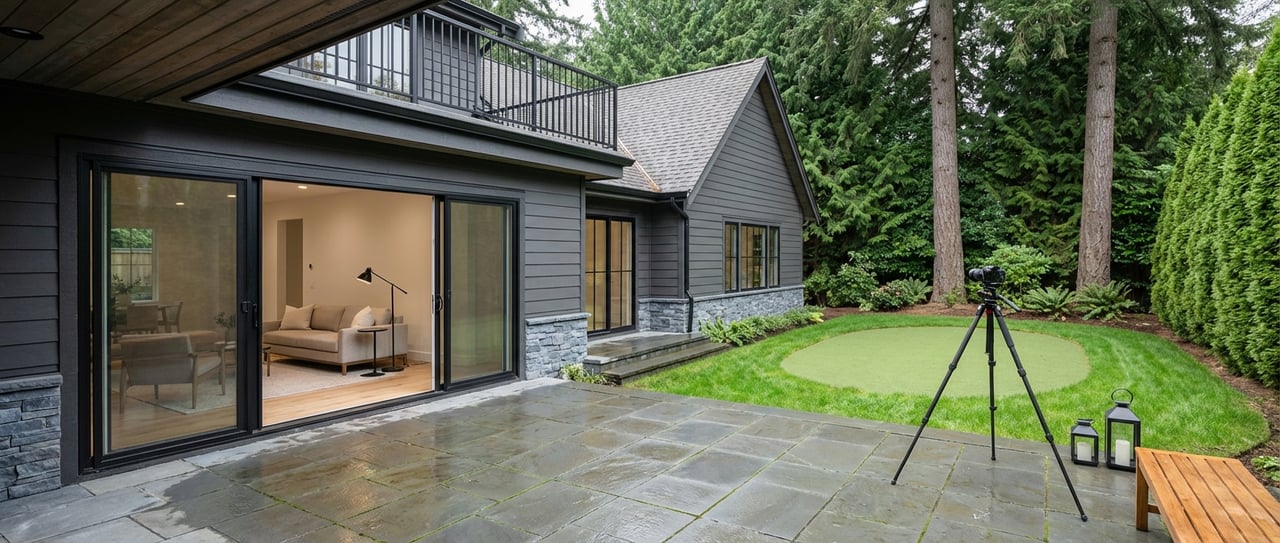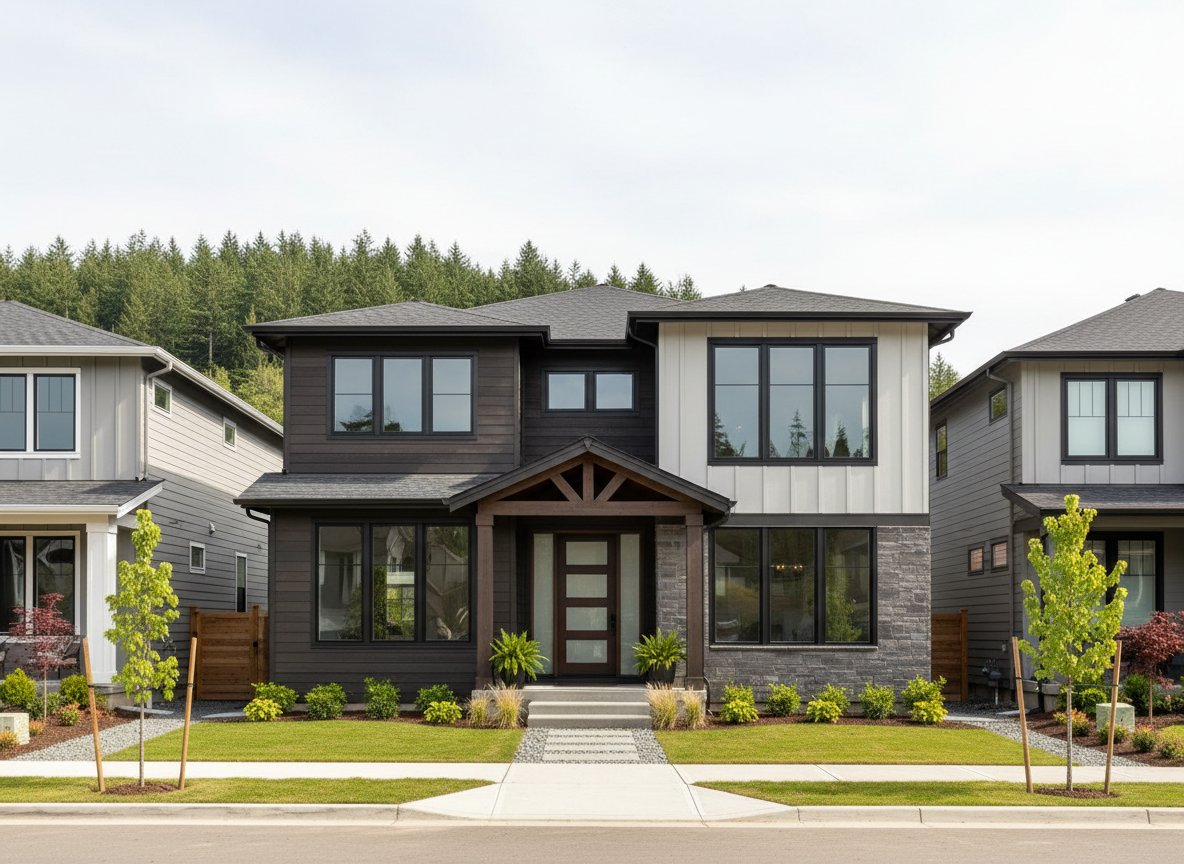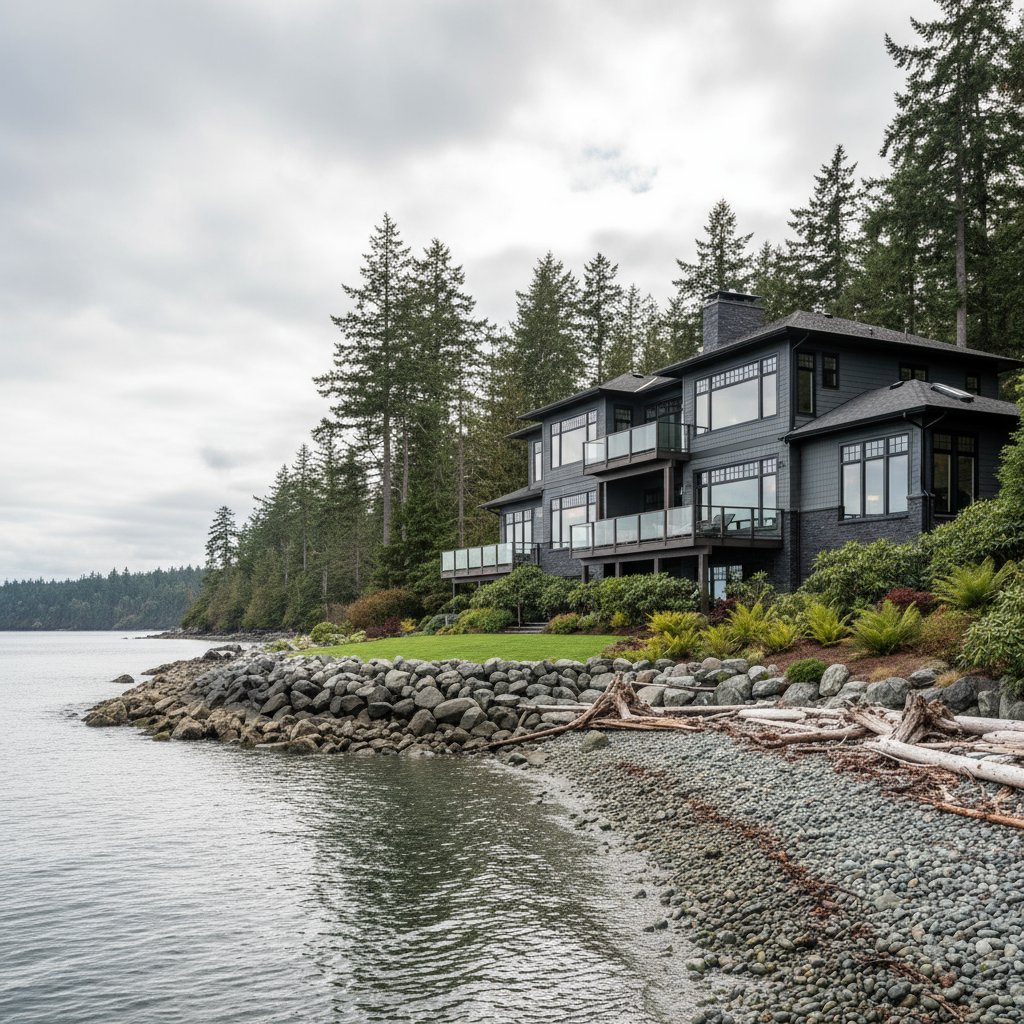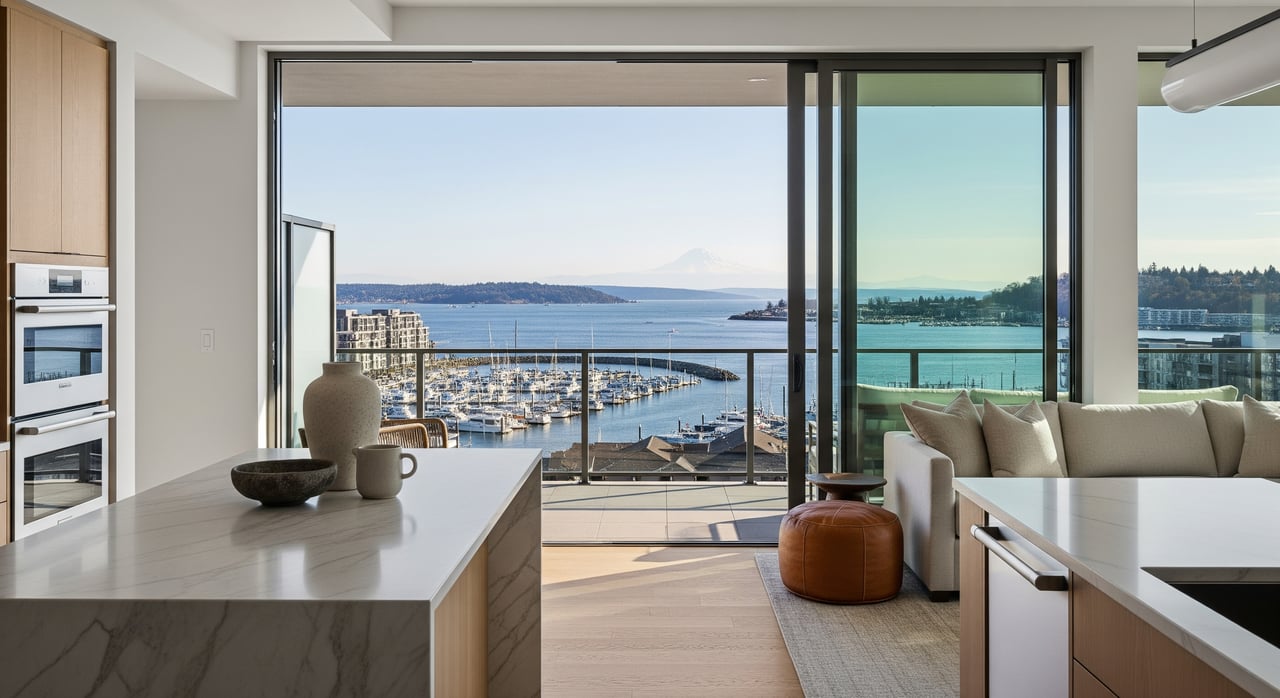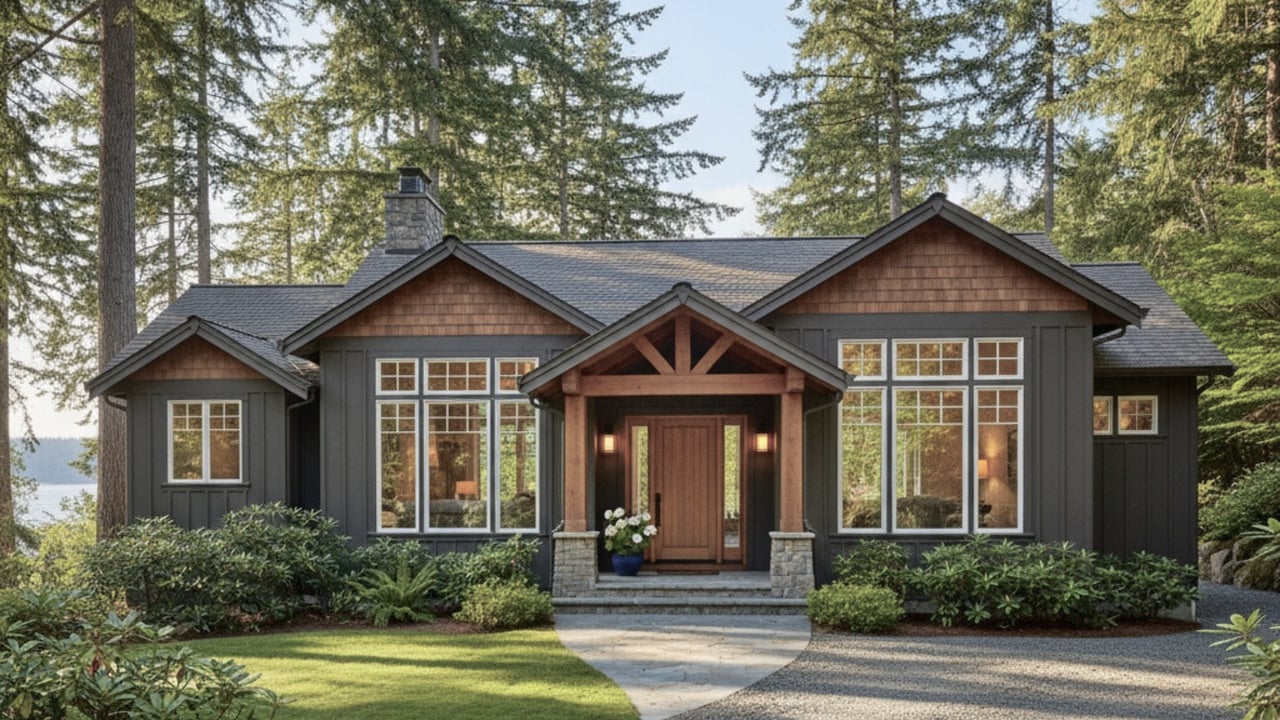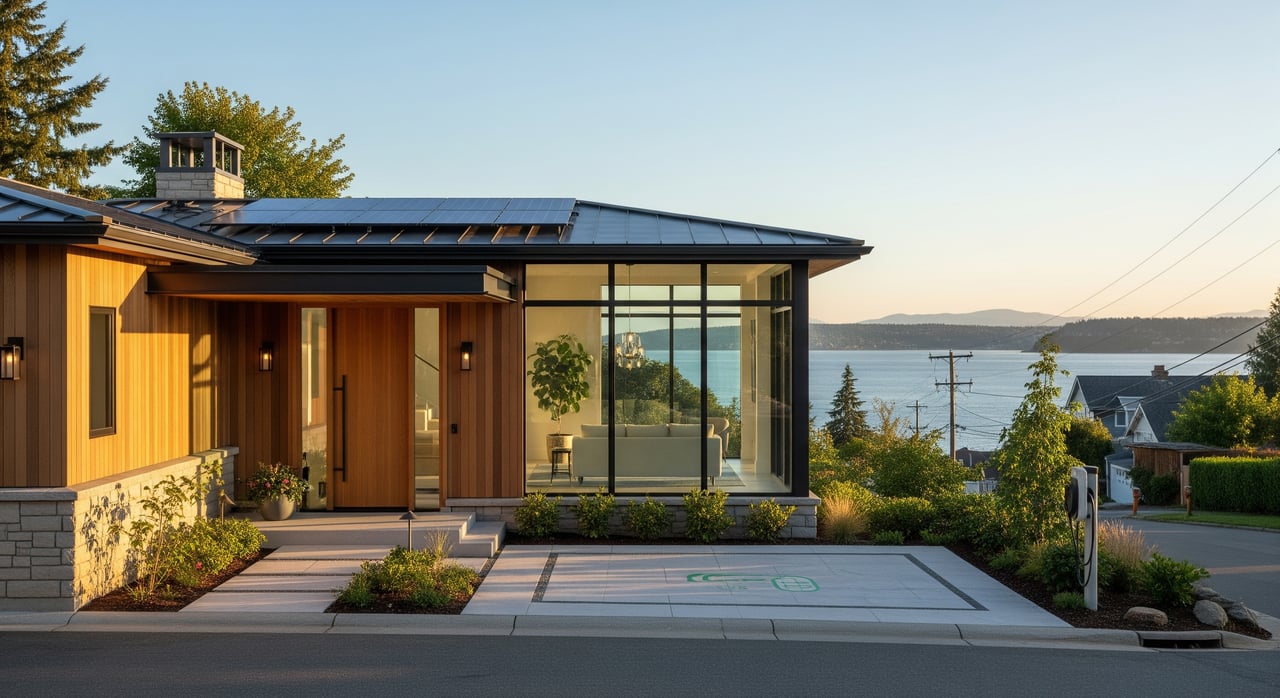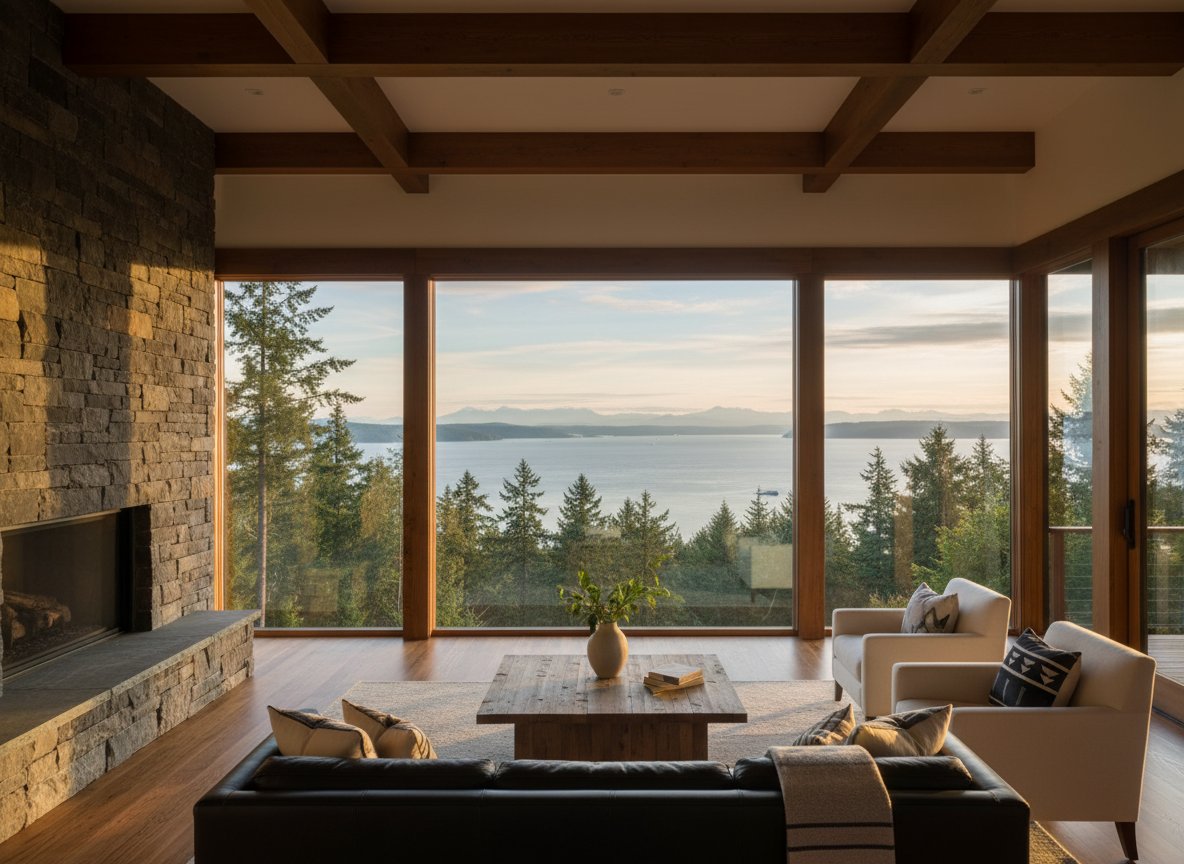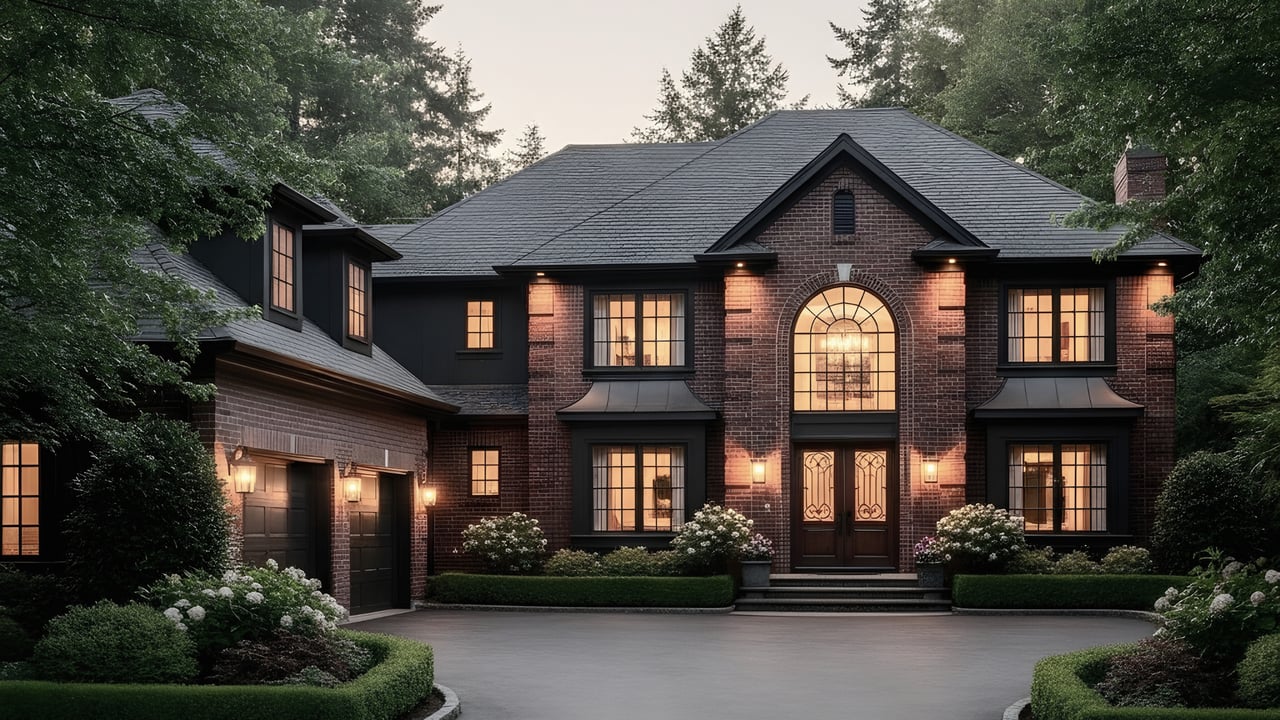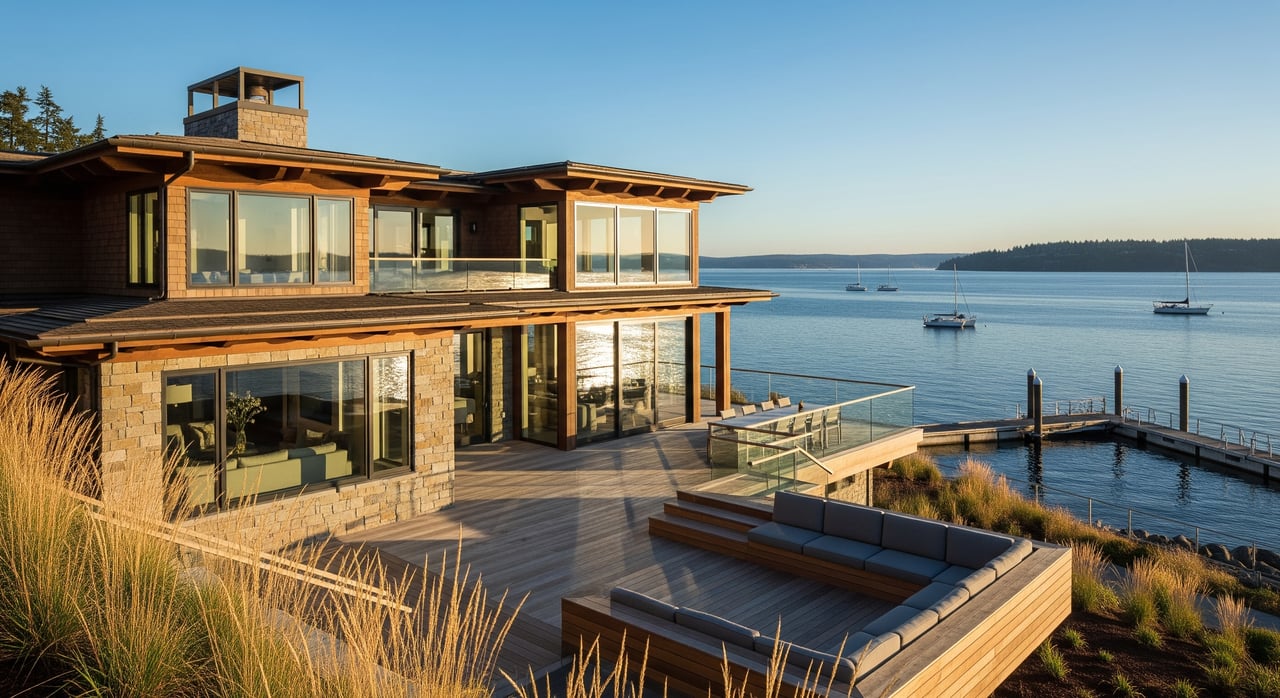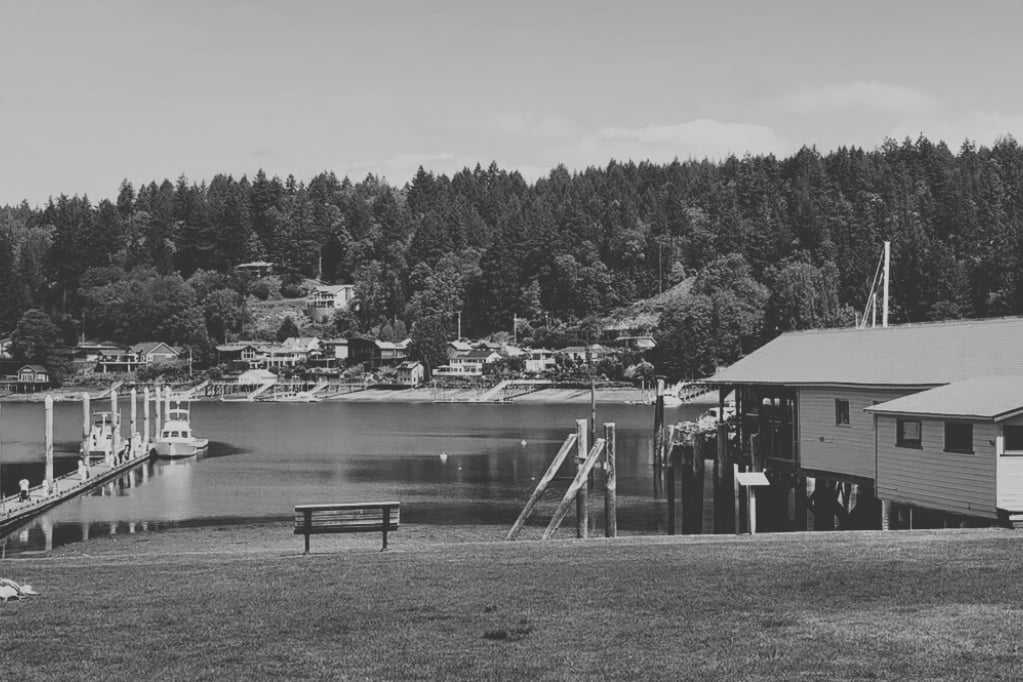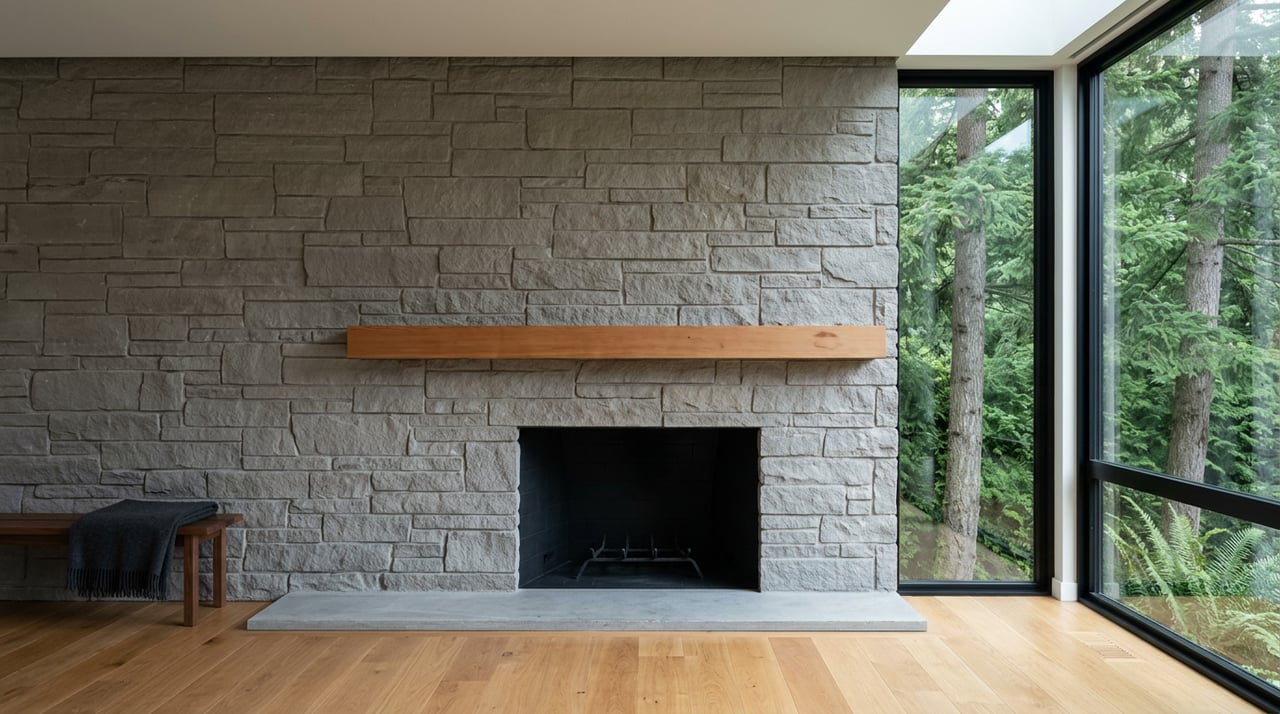
The listing photos sell it as one thing. A guardhouse, a fairway, a stone-fronted rambler with the Olympics somewhere in the background. Every image implies that if you buy the house, you buy the life around it.
You do not. In Canterwood, the gate and the golf are two separate transactions that happen to share a zip code, and the buyers who understand that difference walk into closing with a clearer number than the ones who don't.
The separation nobody spells out on the listing sheet
Canterwood sits in unincorporated Pierce County, and it is governed by two organizations that are structurally distinct. The Canterwood HOA manages the residential community from an office on Baker Way. The Canterwood Golf & Country Club, operated under Invited, runs the Robert Muir Graves-designed course along with racquet sports, fitness, swimming, and dining.
Buying a home inside the gates enrolls you in the first. It does not enroll you in the second. The HOA's own FAQ is blunt about it: all questions related to club membership should be directed to the staff at Canterwood Golf & Country Club or Invited Clubs, not the HOA office. That single sentence contains a piece of information most portal listings fold into ambient marketing copy.
Club membership is a separate application, with a separate cost structure. Membership requires an initiation fee plus ongoing annual or monthly dues, and the average initiation fee at private clubs in Gig Harbor is around $25,000. Whether that number is a fit is a household question, not a home-purchase question, and it belongs on a different line of your budget than your mortgage.
What the trailing-12-month median actually covers
The commodity data on Canterwood, as of mid-2026, points in one direction. The median sale price over the last twelve months sits at roughly $1.06 million, down about seven percent year over year, with homes selling in around 57 days on market according to MLS-sourced summaries. A May 2026 broker snapshot showed ten active Canterwood listings with a median list price near $1.62 million and roughly $457 per square foot.
Read those two numbers together and the story is not distress. It is a top-of-market community absorbing the same rate-driven cool-down as every other Puget Sound luxury tier, while list-side pricing on the current inventory stretches well above what closed last year. The gap between the trailing sold median and the active list median is the interpretive fact. It tells you sellers are pricing for the home they own, not the market they are selling into, and it tells buyers that 2026 is a year for disciplined offers rather than reflexive ones.
The median is not the price. It is the mid-point of a mixed inventory. In Canterwood, that mix is what determines whether $1.06 million buys you a fairway view or a rambler two streets back.
Three product types behind the same gate
The community spans roughly 700 wooded acres, and the housing behind the gate is not one thing. Reading Canterwood well means knowing which of the three you are actually shopping.
- Patio homes and single-level ramblers. Highly sought after for effortless main-level living, often on smaller lots close to the club core. Common floor plans put the primary suite on the main. This is the segment where "walkability to the clubhouse" is a real amenity rather than a marketing line.
- Custom estates on fairway or pond frontage. Homes on the 8th, 15th, and 16th holes command view premiums, and the private ponds around the course create pockets where price-per-square-foot climbs well above the community median. A former Street of Dreams home appeared on the market recently, remodeled in 2021 with a Wolf gas range and heated primary-bath floors. That is the ceiling of the range.
- Greenbelt-backed custom builds. Some of the community's most distinctive estates back to permanent greenbelt, like one custom built in 2006 by Sidney Allison Homes on a private lot backing to a protected wooded buffer. These trade privacy for direct golf frontage, and they tend to hold value differently in soft markets because the view is not going anywhere regardless of course conditions.
There is also a small 55+ pocket inside the broader community known as The Lakes, which operates on its own greenbelt and produces its own steady trickle of single-level listings.
The ACC is the friction most buyers underestimate
The gate is not the only rule-making body inside Canterwood. The Architectural Control Committee is, and it is more active than most first-time gated-community buyers expect.
Exterior painting must be approved by the ACC, even if the plan is to repaint with the same color. Deck replacements require approval even if the new deck matches the old one in design, dimension, and material, because CC&R 9.1 governs all exterior construction. Fences require ACC review of materials, color, and placement before construction, and chain link is not acceptable under any circumstances, even for pet enclosures.
The Residential Guidelines were last updated on June 24, 2025, so any buyer relying on a friend's memory of the rules from a few years ago is working from a stale document. Ask for the current version during your feasibility window and read it before your inspection contingency ends. This is a community where a planned remodel can add six weeks of ACC review to your renovation calendar, and that timeline belongs in your offer strategy, not your post-closing surprises.
Corner-lot owners also carry a specific sightline duty, keeping vegetation clear between two and six feet off the ground within twenty-five feet of the intersecting streets. Small detail, real maintenance obligation.
Reading the carrying cost honestly
If you are underwriting a Canterwood purchase, three line items sit outside the mortgage:
- HOA dues. Mandatory. Covers common areas, gate operations, and community infrastructure.
- Club dues, if you join. Optional. Governed by Invited, priced separately from the HOA, and structured with an initiation fee plus recurring dues.
- STEP sewer charges. The HOA office does not accept STEP system utility payments, because those associations are independent and manage billing and collection of monthly sewer charges for their members. Different sub-neighborhoods within Canterwood sit on different STEP associations, so the number is address-specific.
A buyer who models the first line and forgets the third arrives at closing with a monthly figure that is off by a real amount. Ask your agent for a written breakdown of all three before you write your offer, and confirm the STEP association for the specific address rather than the community as a whole.
Where Canterwood sits against non-gated Gig Harbor North
The comparison most relocation buyers actually run is not Canterwood versus Harbor Hill or Canterwood versus downtown. It is Canterwood versus a comparable price point in non-gated Gig Harbor North, five minutes closer to Costco and the YMCA and free of the ACC layer.
The trade is straightforward once you name it. In Gig Harbor North, your dollar goes further into square footage and closer to daily conveniences. In Canterwood, your dollar buys the twenty-four-hour gate, the maintained streetscape, and optional access to a club that blends golf with racquet sports, fitness, swimming, dining, youth programming, and year-round social traditions. The clubhouse itself was recently renovated, with expanded practice facilities, a resort-style pool, and pickleball courts added to the amenity mix.
Whether that trade favors you depends on how many of the club's activities you would actually use, and on how much friction the ACC layer adds to the way you like to live in a home. Both are answerable questions before you tour. Neither is answerable from a listing photo.
A short FAQ
Do I have to join the country club if I buy in Canterwood? No. HOA membership is automatic with ownership. Club membership is a separate application through Invited, with its own initiation fee and dues.
Is the whole community gated? Yes. The community operates a twenty-four-hour staffed gate, which is why patrol and vacation-check services show up in listing descriptions as a standard feature rather than an upgrade.
What is a STEP association and why does it matter at closing? STEP is the on-site sewer system that serves parts of the community. Individual STEP associations bill their members directly for monthly sewer charges, separate from the main HOA. Confirm which one governs the specific parcel you are buying.
Are there ongoing club events I should factor in if I do join? Yes. The club runs weekly programming, including a Saturday-evening trivia night and a Friday-and-Saturday Kids' Club, alongside seasonal tournaments, chef dinners, and orientation events for new members.
Canterwood rewards buyers who read it accurately. If you are weighing an offer inside the gates, or comparing it against a home in Harbor Hill, Gig Harbor North, or downtown, Catt Johnson can walk you through the HOA documents, the STEP breakdown, and the current ACC guidelines before you write. Book a call and bring your list of questions. That is the part of this decision that deserves the most attention.